
Pulse Oximeter Simulator: A Critical Tool for Medical Device Testing
Introduction
In today's rapidly advancing medical technology landscape, blood oxygen saturation (SpO₂) monitoring has become a vital component of routine clinical examinations. One of the key tools ensuring the accuracy and reliability of these monitoring devices is the pulse oximeter simulator. This article delves into the working principles, applications, and future developments of pulse oximeter simulators.
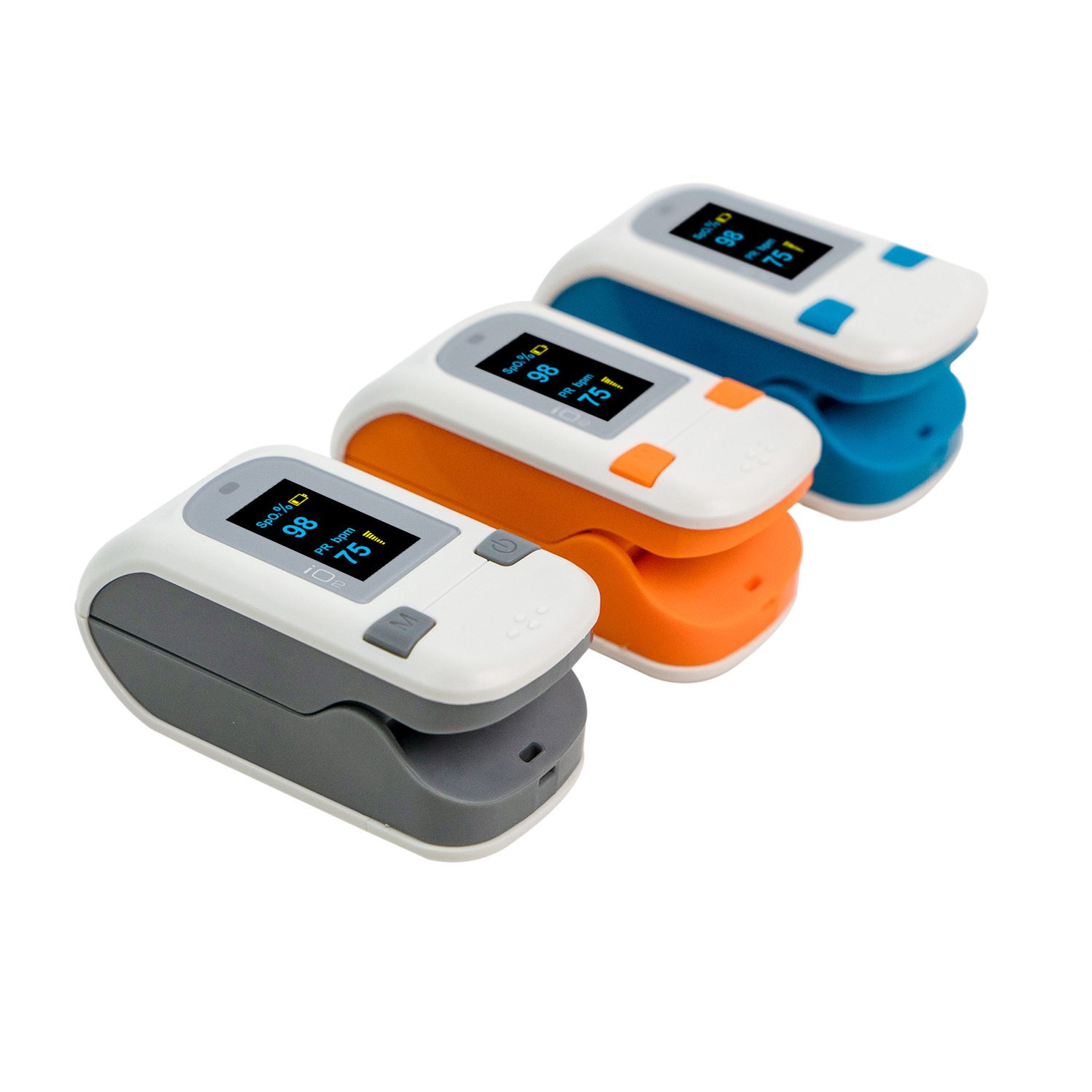
What Is a Pulse Oximeter Simulator
A pulse oximeter simulator is a precision instrument specifically designed to test and calibrate pulse oximeters. It can simulate the optical characteristics of the human body at different blood oxygen saturation levels, providing a reliable testing benchmark for medical device manufacturers, hospital biomedical engineers, and regulatory agencies.
Working Principles
The core principle of a pulse oximeter simulator is based on the simulation of light absorption characteristics:
-
Optical Simulation: By precisely controlling LED light sources, it simulates the absorption characteristics of hemoglobin and oxyhemoglobin for light of different wavelengths (typically 660nm red light and 940nm infrared light).
-
Pulse Waveform Simulation: It can generate programmable pulse waveforms to simulate real human heart rate variations and pulse characteristics.
-
Blood Oxygen Level Adjustment: It can precisely set simulated SpO₂ values within a range of 70%–100%, with some high-end models even capable of simulating extreme conditions below 70%.
Key Applications
1. Medical Device Manufacturing & Quality Control
-
Calibration and verification of pulse oximeters before leaving the factory
-
Final inspection on production lines
-
Periodic performance checks
2. Clinical Environment Maintenance
-
Regular calibration by hospital equipment departments
-
Troubleshooting and post-repair verification
-
Consistency checks between multiple devices
3. Research & Innovation
-
Development testing of new SpO₂ monitoring technologies
-
Algorithm validation and optimization
-
Performance evaluation under special conditions (e.g., motion, low perfusion)

Technological Advancements
Modern pulse oximeter simulators are evolving in the following directions:
-
Multi-Parameter Integration: Capable of simulating not only SpO₂ but also heart rate, perfusion index (PI), and even blood pressure waveforms.
-
Dynamic Scenario Simulation: Programmable simulations of various clinical scenarios, such as arrhythmias, motion artifacts, and low-perfusion states.
-
Smart Calibration: Equipped with automatic calibration and user-friendly interfaces to simplify operation.
-
Portable Design: Smaller and lighter for on-site service and field calibration needs.
Factors to Consider When Choosing a Pulse Oximeter Simulator
Key parameters to evaluate when selecting a simulator include:
-
Accuracy (typically ±1% or better).
-
Simulated SpO₂ range.
-
Heart rate simulation range and accuracy.
-
Support for perfusion index simulation.
-
Portability and battery life.
-
Calibration certifications and compliance (e.g., ISO 80601-2-61).
Usage and Maintenance Recommendations
-
Perform professional calibration regularly (recommended annually).
-
Avoid extreme temperatures and humidity.
-
Use shockproof protection during transportation.
-
Clean optical interfaces after use.
-
Keep firmware and software updated.
Future Outlook
With the growing popularity of wearable health monitors and telemedicine, the demand for pulse oximeter simulators will continue to rise. The integration of AI algorithms may enable future simulators to automatically identify device flaws and suggest optimizations, further enhancing the quality and reliability of medical equipment.
UTECH's pulse oximeters have undergone professional testing and calibration, meeting various requirements. You can fully trust that we can bring you high-quality and reasonably priced products.
Photoplethysmography: The Magic Technology That "Listens" to the Rhythms of Life with Light
The Role of ETCO₂ in Patient Monitors: A Key Indicator for Noninvasive Ventilation and Circulation Monitoring
Related Article