
tHIS ASEAN 2026: Southeast Asia Healthcare Exhibition and Medical Device Opportunities
Event Spotlight
tHIS ASEAN 2026: Southeast Asia Healthcare Exhibition and Medical Device Opportunities
Southeast Asia is becoming one of the fastest-growing healthcare markets worldwide. Rising healthcare investment, aging populations, and increasing demand for advanced medical technologies are creating new opportunities for global healthcare companies, particularly in the medical device sector. To address these trends, local healthcare providers are upgrading healthcare infrastructure, adopting advanced medical equipment, and implementing digital health solutions.
As a key healthcare exhibition in Southeast Asia, tHIS ASEAN 2026 serves as a practical business platform connecting international medical technology providers with regional distributors, buyers, healthcare institutions, and medical professionals. Organized by Reed Sinopharm Exhibitions, the event will take place from July 28–30, 2026, at the Kuala Lumpur Convention Centre (KLCC) in Malaysia.
This article explores the growth drivers behind the ASEAN healthcare market, the core medical technology sectors featured at the exhibition, emerging healthcare trends, and how global companies can identify reliable medical device distributors and build long-term partnerships in the region.
UM2017 — 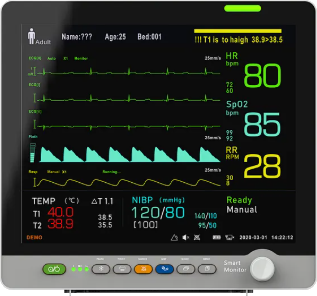 The UM2017 patient monitor features a unique 17-inch inclined HD display for optimal viewing and improved clinical efficiency. With integrated accessory storage and seamless central monitoring compatibility, it offers a high-performance, ergonomic solution for modern hospitals and clinical care. Learn more →
Southeast Asia Healthcare Market Outlook: A Growing Opportunity for Global Companies
Healthcare Market Growth in ASEAN
Rising healthcare investment and infrastructure expansion are driving steady growth across the Southeast Asia healthcare market. As governments and private hospital groups build new facilities, the ASEAN healthcare industry relies heavily on imported, advanced healthcare technology to meet modern clinical standards. For global suppliers, this gap represents a direct entry point into a high-growth region.
Key Drivers of the Regional Healthcare Shift
- Aging Population & Chronic Diseases: Rising life expectancies and a higher prevalence of cardiovascular and respiratory diseases are increasing the clinical need for continuous care. This shift directly drives the demand for reliable patient monitoring systems.
- Infrastructure Expansion: Public and private groups are expanding hospital networks and diagnostic centers. This physical build-out translates into an immediate, steady demand for medical equipment to furnish new ICUs, operating theaters, and wards.
- Digital Health Adoption: To improve patient access across remote areas, healthcare systems are integrating telemedicine, digital health platforms, and connected healthcare ecosystems into their daily workflows.
- Demand for Affordable Solutions: Many community clinics and developing provinces prioritize cost-effective, reliable, and portable medical devices that are easy to operate and maintain with limited resources.
| Country | Market Opportunities |
|---|---|
| Malaysia | Prominent regional healthcare hub with a booming medical tourism sector; high demand for advanced healthcare facilities and specialized oncology/cardiology equipment. |
| Indonesia | Driven by a massive population and the expansion of the national health insurance scheme (JKN); major opportunities lie in healthcare infrastructure growth, clinic construction, and basic diagnostic tools. |
| Thailand | A mature destination for medical tourism backed by well-funded private hospitals; strong demand for premium wellness, geriatric care, and aesthetic solutions. |
| Vietnam | Rapidly expanding healthcare investment from both public and private sectors; focus is on upgrading provincial hospitals with modern medical devices. |
| Philippines | Experiencing a growing demand for medical technology to modernize rural health units and address the geographical challenges of healthcare delivery across its islands. |
What is tHIS ASEAN 2026?
Event Overview
As the global medical community looks toward Southeast Asia, tHIS ASEAN 2026 stands out as the definitive healthcare business platform for the region. Built on a legacy of facilitating large-scale industrial partnerships, this premier ASEAN healthcare exhibition serves as the ultimate connection between global medical innovation and localized ASEAN healthcare needs.
For international manufacturers looking to navigate regional regulatory landscapes and secure local distribution, this medical exhibition in Malaysia offers direct access to key decision-makers. It is designed not merely as a trade show, but as an active marketplace where regional healthcare demands meet global technology suppliers.
Core Exhibition Sectors at tHIS ASEAN 2026
Medical Devices: Driving Healthcare Innovation in ASEAN
Medical devices represent one of the most important sectors within the Southeast Asian healthcare market, supporting hospitals, clinics, and healthcare providers with essential technologies for diagnosis, treatment, and patient care.
At tHIS ASEAN 2026, the medical device sector showcases a wide range of healthcare technologies designed to improve clinical capabilities. These include diagnostic equipment, advanced imaging systems, specialized medical instruments, and surgical technologies for modern healthcare environments.
Alongside large-scale diagnostic and surgical technologies, patient monitoring solutions play an increasingly important role in improving daily clinical workflows through better visibility of patient conditions.
Patient Monitoring Systems: Supporting Real-Time Clinical Decision-Making
In modern hospitals, access to real-time and accurate patient data is essential for improving clinical decision-making, workflow efficiency, and patient safety. Patient monitoring systems enable healthcare providers to track vital signs, including ECG, SpO2, NIBP, and temperature, across different clinical environments.
- ICU and Operating Rooms: High-acuity bedside patient monitors provide continuous monitoring during complex procedures, critical care, and post-operative recovery.
- Emergency Departments and General Wards: Portable vital signs monitors allow healthcare teams to perform rapid assessments and monitor patient stability while supporting flexible clinical workflows.
These technologies help healthcare providers identify physiological changes earlier and make more informed clinical decisions.
Pulse Oximeters: Supporting Hospital and Home Healthcare Monitoring
A pulse oximeter measures oxygen saturation (SpO2) and pulse rate, providing a quick and non-invasive method for assessing oxygen levels in both clinical and home environments.
- Clinical Applications: Pulse oximeters are widely used in emergency care, respiratory monitoring, and post-operative recovery where oxygenation assessment is important.
- Home Healthcare Applications: The growing demand for decentralized healthcare has increased adoption of portable pulse oximeters and fingertip pulse oximeters for elderly care, chronic respiratory disease management, and remote monitoring.
Key Healthcare Trends to Watch at tHIS ASEAN 2026
AI and Smart Healthcare Solutions
Artificial intelligence is rapidly shifting from experimental code to practical clinical tools. Industry leaders are leveraging AI-assisted healthcare to build intelligent hospitals that optimize administrative workflows and clinical operations.
Remote Patient Monitoring and Connected Healthcare
The shift toward decentralized care has made remote patient monitoring a core focus for modern providers. Through advanced wearable devices and secure telehealth platforms, connected healthcare ecosystems now bridge the gap between clinics and homes. This allows doctors to continuously track chronic conditions, reducing hospital readmissions and emergency visits across ASEAN's highly dispersed populations.
Portable Medical Devices and Home Healthcare
Driven by aging demographics, the demand for compact, user-friendly portable medical devices is surging. Manufacturers are showcasing handheld monitors, high-performance pulse oximeters, and easy-to-use home diagnostic devices. These tools allow elderly and chronic-disease patients to safely manage their health at home while keeping clinical teams informed of their vital trends.
Sustainable Healthcare Infrastructure
Regional expansion is prioritizing long-term ecological and financial health. Green building designs and energy-efficient hospitals are replacing traditional setups. These smart facilities use modern resources to lower operational costs, reduce medical waste, and ensure highly efficient, reliable healthcare delivery for local communities.
Why Global Healthcare Companies Should Participate in tHIS ASEAN 2026
Opportunities for Exhibitors
Exhibiting at tHIS ASEAN 2026 offers international brands unmatched brand exposure in a fast-growing market. The event serves as a highly targeted channel for distributor recruitment, enabling companies to conduct hands-on market research and build long-term business partnerships with regional healthcare providers and private hospital groups.
Opportunities for Distributors and Buyers
For regional distributors and procurement teams, this exhibition is a centralized hub to discover reliable global suppliers. Attendees can evaluate the safety and cost-effectiveness of new medical products firsthand, facilitating strategic partnerships to secure import and distribution rights for their local markets.
Opportunities for Healthcare Professionals
Clinicians, researchers, and hospital administrators can learn about the latest medical technologies, exchange clinical knowledge with international peers, and gain a clearer understanding of emerging healthcare trends and regulatory policies across the ASEAN region.
Conclusion: Building the Future of Healthcare Across Southeast Asia
The rapid expansion of the Southeast Asia healthcare market signals a new era of clinical excellence and infrastructure development. As regional demands continue to scale, tHIS ASEAN 2026 stands as the definitive platform connecting global innovators with local healthcare systems. This landmark event offers a vital gateway for businesses looking to address critical needs in medical devices, digital healthcare, and patient monitoring.
UTECH continues to support healthcare partners worldwide with reliable patient monitoring and pulse oximetry solutions, and welcomes opportunities to collaborate with distributors and healthcare organizations globally.
Can Asthma Go Away Completely?
Is My Blood Oxygen Level Normal?
Related Article