
Nocturnal Hypoxia and Cardiac Instability in Elderly Patients: The Clinical Value of Continuous Monitoring
Clinical Insights
Nocturnal Hypoxia and Cardiac Instability in Elderly Patients:
The Clinical Value of Continuous Monitoring
Sudden cardiac death (SCD) remains a major clinical concern among elderly patients with underlying cardiovascular disease, particularly during overnight hours when physiological deterioration may occur unnoticed. Increasing evidence suggests that sleep-related respiratory disturbances, including sleep apnea and nocturnal hypoxia, may contribute to a cascade of cardiovascular stress responses capable of destabilizing cardiac function during sleep.
In vulnerable patients, repeated nocturnal oxygen desaturation can alter autonomic regulation, increase myocardial oxygen demand, and create conditions that favor ventricular arrhythmia development. Because many of these physiological changes occur intermittently and silently throughout the night, traditional intermittent bedside assessments may not always provide sufficient visibility into evolving overnight deterioration.
As a result, continuous physiological monitoring has become increasingly important in supporting earlier recognition of nocturnal respiratory and cardiac instability in high-risk elderly cardiac populations.
Nocturnal Hypoxia in Elderly Cardiac Patients
For elderly individuals under cardiology care, the overnight hours represent a critical physiological window during which underlying respiratory vulnerabilities may directly affect cardiac stability. One of the primary contributors to overnight deterioration is sleep apnea, which can lead to repeated episodes of nocturnal hypoxia.
During these episodes, significant oxygen desaturation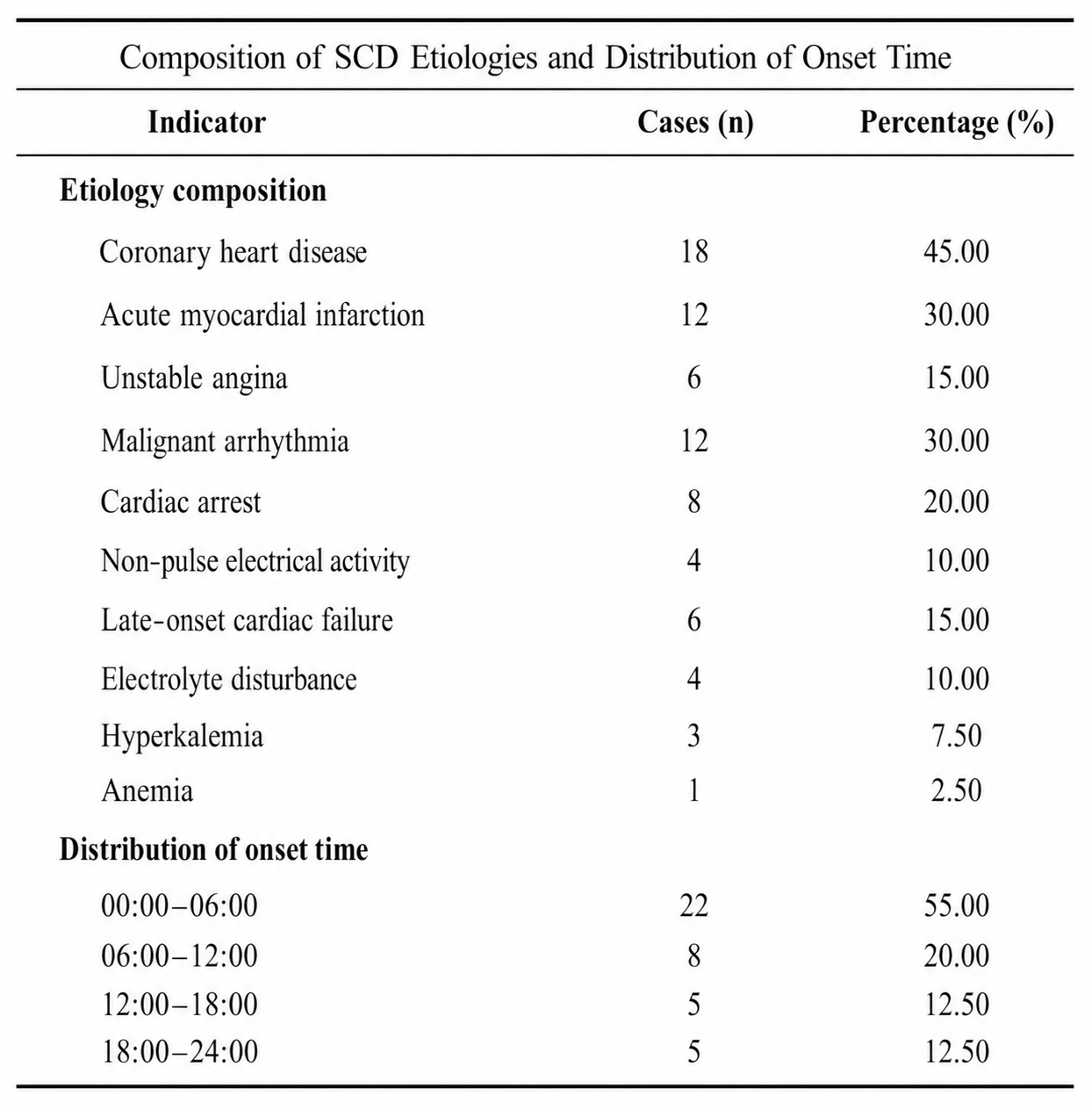 disrupts the cardiovascular system’s normal nighttime recovery state. Rather than allowing the heart to rest, acute drops in oxygen saturation may trigger compensatory sympathetic nervous system activation, increasing myocardial oxygen demand at a time when oxygen supply is already limited.
This imbalance between oxygen supply and demand may place additional stress on cardiac tissue and contribute to autonomic dysregulation. Over time, these physiological disturbances can promote electrical instability within the myocardium, potentially increasing the risk of nocturnal ventricular arrhythmias in vulnerable cardiac patients.
Because these hypoxic and autonomic fluctuations often occur silently and intermittently during sleep, they may remain undetected during routine bedside assessments. This challenge highlights the clinical value of continuous physiological monitoring, which allows healthcare teams to track oxygen saturation and cardiac rhythm trends throughout the night and identify early signs of nocturnal deterioration before more severe electrical instability develops.
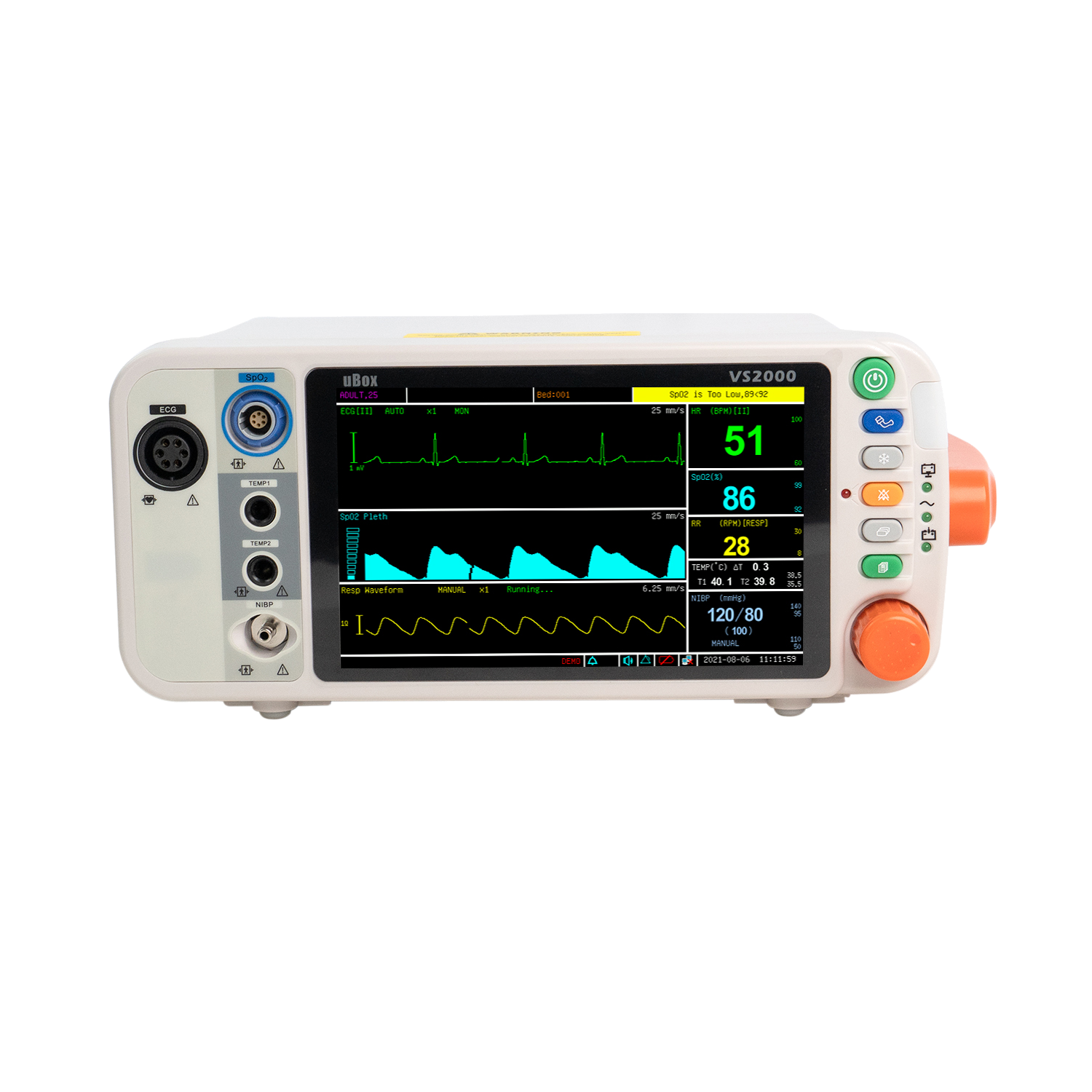 VS2000 — The transport vital signs monitor delivers accurate multi-parameter readings in real time. Featuring a 7-inch HD display, WiFi central monitoring, and 120-hour trend memory, it’s a portable, essential tool for emergency and critical care. Learn more →
Autonomic Dysfunction and Nocturnal Arrhythmia Risk
When nocturnal hypoxia develops during sleep, its effects extend beyond temporary oxygen desaturation and begin to influence the heart’s underlying electrophysiological stability. Acute drops in oxygen saturation may trigger compensatory sympathetic nervous system activation, increasing myocardial oxygen demand during a period normally associated with cardiovascular recovery.
As sympathetic activity rises, the balance between sympathetic and parasympathetic regulation may become disrupted. This shift in autonomic tone can place additional physiological stress on cardiac tissue and contribute to autonomic dysregulation in vulnerable elderly patients.
Over time, these autonomic fluctuations may create a more unstable electrophysiological environment within the myocardium. Altered cardiac conduction and increased electrical vulnerability can contribute to a greater risk of nocturnal ventricular arrhythmias, particularly in patients with pre-existing cardiovascular disease. Because these physiological changes often occur silently during sleep, they may remain difficult to detect through intermittent overnight assessments alone.
Key Insight: Continuous tracking during high-risk overnight periods allows clinical teams to identify transient autonomic fluctuations and early signs of electrical deterioration before more severe arrhythmic events develop.
The Role of Continuous Monitoring During Overnight Deterioration
Addressing nocturnal cardiac deterioration in elderly patients requires more than reactive intervention alone. Because the physiological cascade associated with sleep apnea and nocturnal hypoxia develops silently during sleep, identifying the precise window of overnight deterioration remains a major clinical challenge.
One limitation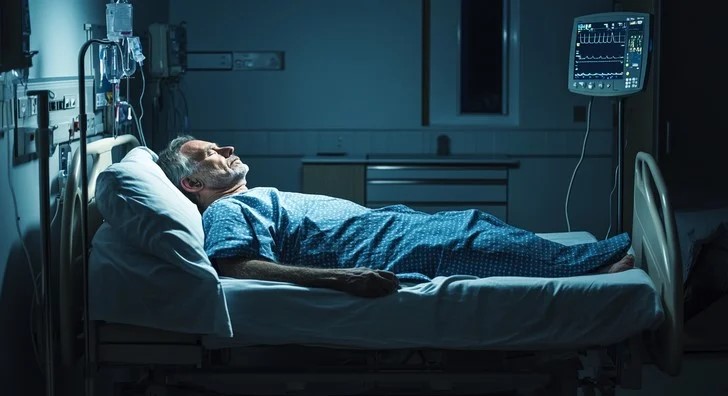 n of traditional inpatient monitoring protocols is the reliance on intermittent vital sign assessments. Periodic bedside checks may fail to capture transient oxygen desaturation events that occur between routine nursing rounds. In some patients, acute nocturnal hypoxia may briefly trigger sympathetic activation and increase myocardial oxygen demand before oxygen saturation partially recovers, allowing these short-lived but clinically relevant episodes to remain undetected.
This limitation highlights the value of continuous physiological monitoring during high-risk overnight periods. Rather than relying on isolated measurements, continuous monitoring provides uninterrupted observation of oxygen saturation and cardiac rhythm trends throughout the midnight-to-dawn window. Simultaneous ECG and SpO2 monitoring may help clinical teams recognize temporal relationships between respiratory compromise and cardiac stress responses.
When transient desaturation episodes occur, continuous trend data can reveal associated changes in heart rate patterns and evolving electrophysiological instability. By reducing overnight monitoring blind spots, continuous physiological surveillance supports earlier recognition of nocturnal deterioration and may assist healthcare teams in evaluating patients before more severe arrhythmic events develop.
Conclusion: Reducing Overnight Blind Spots
Overnight cardiac deterioration in elderly patients is often driven by a complex interaction between respiratory compromise, autonomic imbalance, and progressive electrophysiological instability. Sleep apnea and nocturnal hypoxia may silently initiate physiological changes capable of increasing vulnerability to ventricular arrhythmias during sleep.
Because these events frequently develop intermittently and outside routine clinical observation windows, reliance on periodic bedside assessments alone may leave transient but clinically significant deterioration undetected. Continuous physiological monitoring provides a more comprehensive approach by enabling real-time observation of oxygen saturation and cardiac rhythm trends throughout the night.
As healthcare systems continue to emphasize earlier detection of patient deterioration, overnight monitoring strategies may play an increasingly valuable role in improving visibility into nocturnal cardiac stress and supporting more proactive management of high-risk elderly cardiac patients.
Monitor continuously. Reduce blind spots. Protect vulnerable hearts.
COPD Statistics 2026: Global Prevalence, Mortality, Risk Factors and Healthcare Costs
Watching the World Cup at Estadio Azteca? Why Your SpO2 Isn't Accurate?
Related Article