
Best Handheld Pulse Oximeters for Clinical Use in 2026
Clinical & Home Care
Best Handheld Pulse Oximeters for Clinical Use in 2026
In modern healthcare environments, fast and reliable patient monitoring is essential. Whether in hospitals, clinics, or home care settings, a handheld pulse oximeter plays a critical role in measuring oxygen saturation (SpO₂) and pulse rate in real time.
What Is a Handheld Pulse Oximeter and Why Is It Important?
A handheld pulse oximeter is a compact medical device designed to provide continuous or spot-check monitoring of a patient’s oxygen saturation and pulse rate. Compared to standard fingertip devices, handheld models offer significant clinical advantages.
|
||
|
||
|
Key Features to Look for When Choosing
Applications in Clinical and Home Settings
|
||
|
||
|
||
|
Top Pick for 2026: The UPM60 Handheld Monitor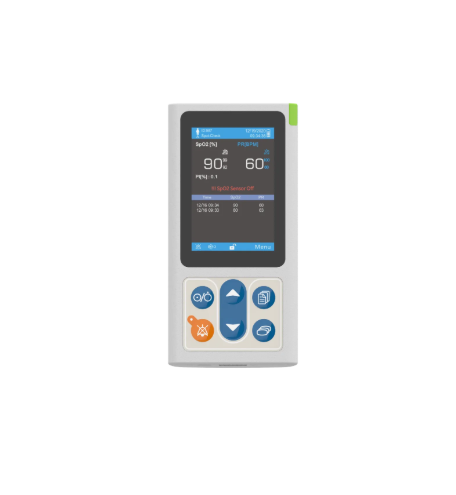
For healthcare providers looking for a balance between performance, flexibility, and usability, the UPM60 Handheld Pulse Oximeter offers a comprehensive solution. Designed for clinical and home use, it combines portability with advanced monitoring capabilities in a compact form factor.
|
Choosing the right device involves evaluating accuracy, usability, and data management. The UPM60 demonstrates how modern monitors can combine precision and portability into a single solution.
Frequently Asked Questions
What is the difference between handheld and fingertip pulse oximeters?
Handheld pulse oximeters offer more advanced monitoring features, better accuracy, and robust data storage capabilities, while fingertip devices are mainly designed for basic, occasional use.
Are handheld pulse oximeters accurate?
Yes, clinical-grade handheld pulse oximeters typically provide ±2% accuracy, making them highly suitable and trusted for professional medical use.
Who should use a handheld pulse oximeter?
They are ideal for hospitals, clinics, healthcare professionals, and patients requiring continuous, high-precision monitoring at home.
For healthcare providers and distributors, investing in a reliable monitor can significantly improve both patient outcomes and operational efficiency.
Discover the UPM60 →Why Everyone Should Have a Pulse Oximeter
How to Choose the Best Portable Pulse Oximeter for Home Use
Related Article