
What causes a low breathing rate
author: Tyler Wang
2022-06-09
What causes a low breathing rate?
Respiratory rate is a medical term for the number of breaths per minute, and one rise and fall of the chest is one breath, one inhalation and one exhalation. The number of breaths per minute is called respiratory rate.
Respiration is a necessary process for gas exchange between the internal and external environment of the human body. The human body inhales oxygen and exhales carbon dioxide through breathing to maintain normal physiological functions.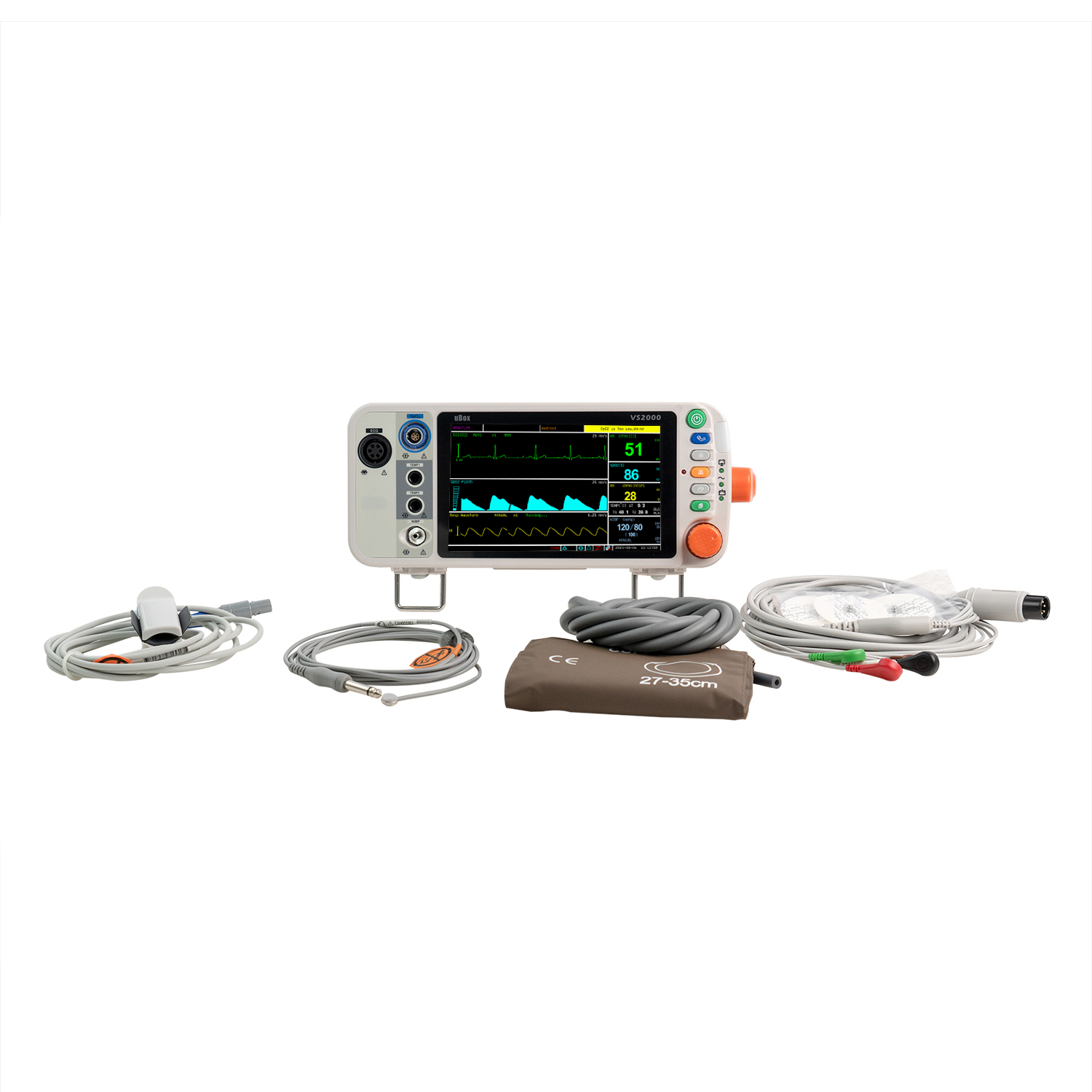
Low respiratory rate usually means that the respiratory rate is lower than 10 times/min. In most cases, the main reasons for the reduction of respiratory rate and respiratory movement include respiratory center depression, nerve conduction disorder, respiratory muscle weakness, etc. The details are as follows: First, respiratory center depression: carbon dioxide anesthesia can lead to respiratory center depression, resulting in a reduction and weakening of the respiratory rate.

Second, nerve conduction disorders: Central nervous system infections, trauma, tumors, and intracranial hypertension can all affect the respiratory center, resulting in a decrease in respiratory rate.
3. Weakness of respiratory muscles: There is no strength in the respiratory muscles, and the conduction of the neuromuscular is blocked, and the respiratory frequency will be reduced. Decreased movement and breathing rate. In most cases of hypoxia, the respiratory rate increases compensatively and rarely decreases. Only when the respiratory center is inhibited, the respiratory muscles have no strength, and the nerve conduction is blocked, the respiratory rate may decrease.
Respiratory rate is a medical term for the number of breaths per minute, and one rise and fall of the chest is one breath, one inhalation and one exhalation. The number of breaths per minute is called respiratory rate.
Respiration is a necessary process for gas exchange between the internal and external environment of the human body. The human body inhales oxygen and exhales carbon dioxide through breathing to maintain normal physiological functions.
Low respiratory rate usually means that the respiratory rate is lower than 10 times/min. In most cases, the main reasons for the reduction of respiratory rate and respiratory movement include respiratory center depression, nerve conduction disorder, respiratory muscle weakness, etc. The details are as follows: First, respiratory center depression: carbon dioxide anesthesia can lead to respiratory center depression, resulting in a reduction and weakening of the respiratory rate.
Second, nerve conduction disorders: Central nervous system infections, trauma, tumors, and intracranial hypertension can all affect the respiratory center, resulting in a decrease in respiratory rate.
3. Weakness of respiratory muscles: There is no strength in the respiratory muscles, and the conduction of the neuromuscular is blocked, and the respiratory frequency will be reduced. Decreased movement and breathing rate. In most cases of hypoxia, the respiratory rate increases compensatively and rarely decreases. Only when the respiratory center is inhibited, the respiratory muscles have no strength, and the nerve conduction is blocked, the respiratory rate may decrease.
How an oximeter works
How to measure SpO2 at home?
Related Article
Discover how summer heat affects the body and learn the difference between being overheated and having a fever. This guide provides practical tips on how to correctly measure body temperature in hot weather and highlights the features of UTECH Medical’s UTM10 infrared thermometer, including its one-second, non-contact measurement, 30-reading memory, and reliable accuracy for home and public safety.
Too Hot? Check Your Temperature the Right Way This Summer

Learn key facts about Marburg virus disease (MVD), a rare but severe hemorrhagic fever caused by a Filoviridae RNA virus. Discover how the virus spreads from Egyptian rousette bats to humans, its initial symptoms—including high fever, bleeding, and organ failure—and current laboratory diagnosis methods like RT-PCR. Explore supportive care treatments, prevention strategies
Marburg virus disease

Can asthma go away? Learn about asthma remission, genetic factors, symptoms, asthma cough, and the warning signs of life-threatening status asthmaticus.
Can Asthma Go Away Completely?

Explore tHIS ASEAN 2026, Southeast Asia’s leading healthcare exhibition connecting global medical technology providers with regional distributors, hospitals, and healthcare professionals. Discover ASEAN healthcare market growth, medical device opportunities, patient monitoring systems, pulse oximeters, AI healthcare, remote patient monitoring, and emerging trends shaping the future of healthcare across Southeast Asia.
tHIS ASEAN 2026: Southeast Asia Healthcare Exhibition and Medical Device Opportunities