
"Securing Patient Care: Why Medical Device Cybersecurity is Non-Negotiable in Healthcare"
As healthcare continues to evolve in the digital age, the importance of medical device cybersecurity has never been greater. The adoption of interconnected systems and devices, while enhancing patient care and streamlining hospital operations, also exposes healthcare facilities to a myriad of cybersecurity threats. These risks, if not properly managed, can disrupt patient care, compromise sensitive data, and damage the institution's reputation.
Why Cybersecurity Matters in Healthcare
Healthcare organizations are prime targets for cybercriminals, particularly with the growing reliance on medical devices and electronic systems that store and process personal health information (PHI). A cybersecurity breach can not only jeopardize patient safety but also lead to financial losses, legal consequences, and long-lasting damage to a healthcare institution’s reputation.
The Cost of Cyberattacks on Healthcare Organizations
The financial impact of a cybersecurity attack in healthcare is significant. In fact, the average cost of a healthcare data breach has soared to $11 million, factoring in direct damages, legal fees, regulatory fines, and the loss of public trust. Cyberattacks can force insurers to reassess risk profiles, resulting in higher premiums, further burdening healthcare organizations. Moreover, facilities that suffer a breach often face significant downtime, hampering the delivery of timely and effective care, which can put patients' lives at risk.
In addition to the immediate financial toll, healthcare organizations also face the long-term consequences of reputational damage. Cyber incidents, especially those involving compromised patient data, often make headlines, undermining public trust and influencing the decision-making of patients, partners, and stakeholders.
Common Cybersecurity Threats in Healthcare
Healthcare facilities are increasingly vulnerable to various cybersecurity threats, such as:
Ransomware: Cybercriminals hold critical patient data hostage, demanding a ransom for its release. In 2023 alone, 46 hospital systems experienced ransomware attacks, affecting over 140 hospitals and disrupting operations.
Phishing Attacks: Malicious emails tricking staff members into revealing sensitive information.
Malware and Data Breaches: Cybercriminals target vulnerable systems to steal PHI, often leading to significant financial fraud, identity theft, and medical identity theft.
The trend is clear: healthcare institutions are prime targets for cyberattacks, and the consequences are becoming more severe as cybercriminals become more sophisticated.
The Direct Impact of Cyberattacks on Patient Care
Cybersecurity threats in healthcare aren’t just about financial losses—they have a direct impact on patient care. Take the case of a major children's hospital that was hit by a Distributed Denial of Service (DDoS) attack. The attack overwhelmed hospital networks, cutting off access to critical systems, including Electronic Medical Records (EMR). This disruption delayed treatments, impacted communication, and compromised patient safety.
Often, medical devices like anesthesia machines, ventilators, and patient monitoring devices are collateral damage during cyberattacks. However, the compromise of these devices can be fatal, particularly when critical care is involved. Cybercriminals often target EMR systems because they house valuable patient data (PHI), which can be used for fraudulent activities, including insurance fraud, identity theft, and illegal prescription sales.
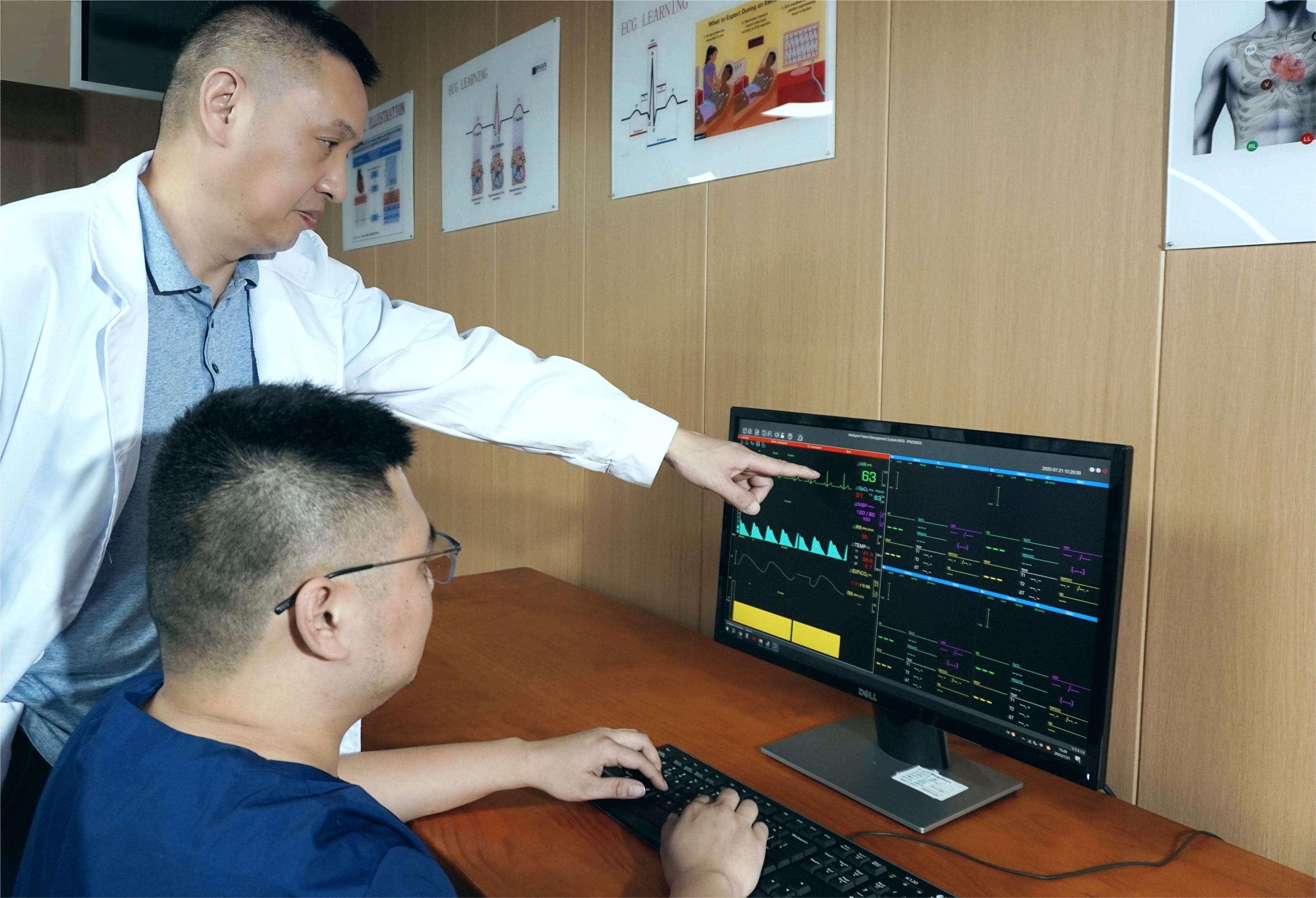
How Healthcare Facilities Can Protect Medical Devices
To avoid the dire consequences of cybersecurity breaches, healthcare facilities must adopt a proactive approach to medical device cybersecurity. A comprehensive plan should include the following key strategies:
- Incident Response Planning: It’s essential for hospitals to have a well-defined incident response plan in place. Collaboration between departments like IT, administration, biomedical engineering, clinical staff, and security ensures that all aspects of patient care are protected during an attack.
- Software and Patch Updates: Regular system updates are essential for securing medical devices and ensuring they are protected from known vulnerabilities. Older devices may be more susceptible to attacks, so facilities must also manage legacy systems and consider replacing outdated equipment.
- Asset Management: Identifying and cataloging medical devices is crucial for assessing their vulnerability to cyberattacks. Facilities should understand how these devices integrate with their network, categorize them based on their importance, and prioritize protection efforts accordingly.
- Staff Training and Awareness: Educating staff about cybersecurity threats and how to spot potential attacks is vital. Routine cybersecurity training across all levels ensures that everyone in the organization understands the risks and the role they play in protecting patient data and care.
The Path Forward for Healthcare Cybersecurity
The threats to healthcare cybersecurity are not going away, and the consequences of inaction are too great. Healthcare organizations must prioritize the implementation of robust cybersecurity protocols to protect patient care, ensure data confidentiality, and safeguard their reputation. By continuously evolving their cybersecurity strategies and investing in up-to-date technology and training, healthcare facilities can create a resilient infrastructure that can withstand cyberattacks and minimize patient risk.
UTECH MEDICAL’s Commitment to Medical Device Cybersecurity
At UTECH MEDICAL, we understand the critical nature of medical device cybersecurity. Our solutions ensure that sensitive healthcare data remains secure, either on-site or in off-premise data centers, never migrating to the cloud meaning that our assets, technologies, and processes are designed to protect customer information and ensure data confidentiality, integrity, and availability.
As healthcare organizations continue to embrace digital transformation, safeguarding medical devices and systems must remain a top priority. With a proactive approach, healthcare facilities can ensure continuity of care, protect their patients, and secure their future.

Learn More about How "UTECH MEDICAL" Can Help Your Healthcare Organization Stay Secure.
Essential Guide to Using a Portable Pulse Oximeter in Emergencies
Veterinary Monitors VS Human Monitors: Unveiling the Core Technological Differences
Related Article