
Introduction to IVD
author: Myra | Engineer of International Sales | UTECH
2024-06-28
|
With the continuous advancement of science and technology, the field of healthcare is also constantly innovating and developing. Among them, IVD (In Vitro Diagnostic) technology has attracted widespread attention. IVD refers to a new diagnostic method that provides clinical diagnosis and treatment basis by detecting biomarkers in human samples (such as blood, urine, tissue, etc.) in vitro. Compared with traditional clinical trials, IVD has the advantages of being faster, more accurate, and more convenient, providing important support for modern healthcare.
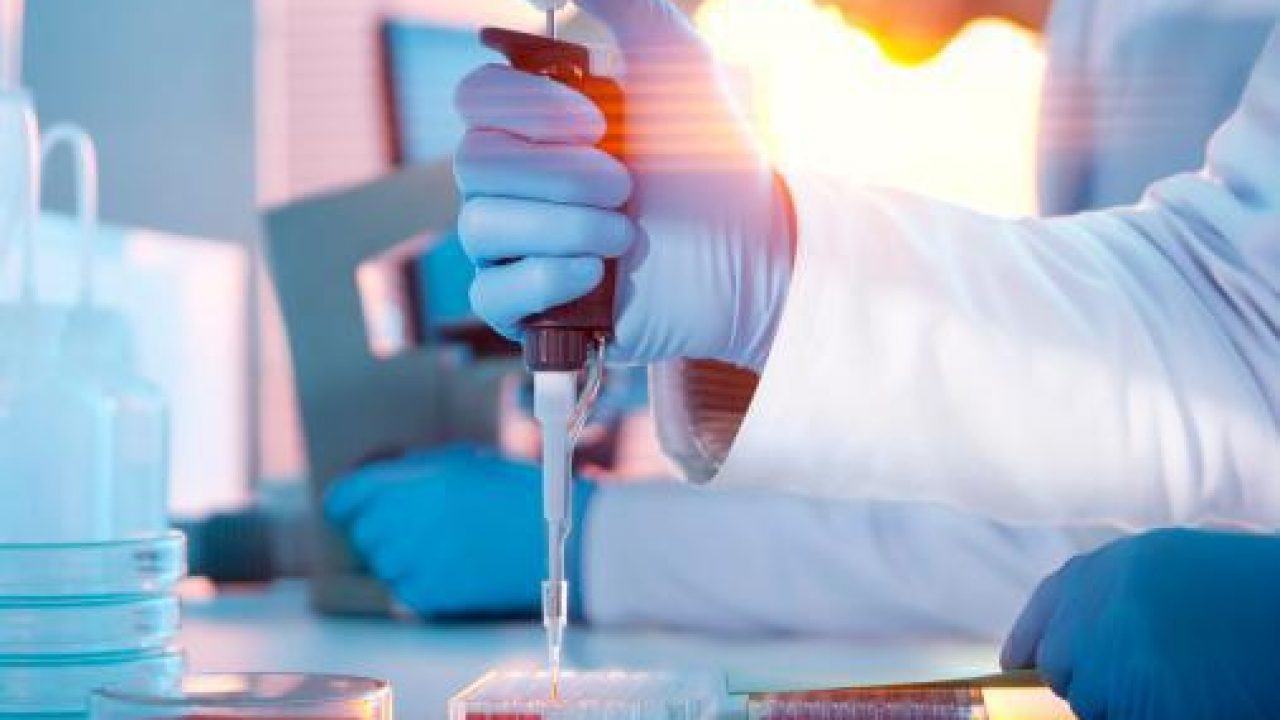 1.Definition of IVD IVD refers to a new diagnostic technology that provides clinical diagnosis and treatment basis by detecting biomarkers in human samples in vitro. These biomarkers can include nucleic acids, proteins, cytokines, etc. By detecting the presence and expression level of these markers, doctors can determine the patient's disease status, prognosis, and drug response. The development of IVD technology has greatly improved the accuracy and efficiency of clinical diagnosis, reduced the cost of diagnosis and treatment for patients, and provided new tools for personalized medicine. 2.Development History of IVD Since the early 1970s, IVD technology has experienced rapid development. Initially, IVD mainly relied on traditional biochemical, immunological and other detection methods. With the continuous advancement of biotechnology, especially the development of genomics, proteomics and immunology, IVD technology is constantly updated, and the types of biomarkers detected are also increasing. In addition, the rise of emerging IVD companies has also provided a strong impetus for the development of IVD technology. These companies are not only committed to the research and development of new IVD products, but also reduce the cost of IVD technology through technological innovation, making it more widely used in clinical practice. 3.Technical principles of IVD IVD mainly adopts technical principles such as nucleic acid detection, protein detection, and gene detection. Nucleic acid detection is to determine the infection status or genotype by detecting the nucleic acid of viruses or bacteria; protein detection is to determine the disease status or immune response by detecting the presence and level of specific proteins; gene detection is to predict disease risk or prognosis by detecting the variation or expression level of gene sequences. These technologies are widely used in IVD, but each technology has its own advantages and limitations. 4.Application scenarios of IVD IVD technology has a wide range of application scenarios in clinical applications. First of all, IVD plays an important role in disease diagnosis. For example, by detecting specific nucleic acids or proteins, it can help doctors determine the status and type of infectious diseases. Secondly, IVD is also of great significance in prognosis assessment. For example, by detecting tumor markers or immune indicators, it can help doctors judge the patient's disease progression and prognosis. In addition, IVD also plays an important role in evaluating treatment response. For example, by detecting drug concentrations in the blood, it can help doctors judge the effectiveness and side effects of drug treatment. 5.Conclusion IVD technology is an important innovation in the field of healthcare, providing a faster, more accurate and more convenient method for clinical diagnosis and treatment. With the continuous advancement of technology, the scope of IVD in clinical applications is becoming more and more extensive, and its application value in disease diagnosis, prognosis assessment, treatment response, etc. is becoming increasingly prominent. However, the development of IVD technology still faces challenges such as technology cost, standardization and supervision. Therefore, we call for strengthening the research and development and application of IVD technology to improve the level of healthcare and benefit all mankind.  If you want to know more about IVD fluorescence immunoassay analyzer, please consult UTECH(https://www.chinautech.com/).
|
ISCHEMIC HEART DISEASE
Lack of sleep linked to high blood pressure in children and teens
Related Article

Discover how summer heat affects the body and learn the difference between being overheated and having a fever. This guide provides practical tips on how to correctly measure body temperature in hot weather and highlights the features of UTECH Medical’s UTM10 infrared thermometer, including its one-second, non-contact measurement, 30-reading memory, and reliable accuracy for home and public safety.
Too Hot? Check Your Temperature the Right Way This Summer

Learn key facts about Marburg virus disease (MVD), a rare but severe hemorrhagic fever caused by a Filoviridae RNA virus. Discover how the virus spreads from Egyptian rousette bats to humans, its initial symptoms—including high fever, bleeding, and organ failure—and current laboratory diagnosis methods like RT-PCR. Explore supportive care treatments, prevention strategies
Marburg virus disease

Can asthma go away? Learn about asthma remission, genetic factors, symptoms, asthma cough, and the warning signs of life-threatening status asthmaticus.
Can Asthma Go Away Completely?

Explore tHIS ASEAN 2026, Southeast Asia’s leading healthcare exhibition connecting global medical technology providers with regional distributors, hospitals, and healthcare professionals. Discover ASEAN healthcare market growth, medical device opportunities, patient monitoring systems, pulse oximeters, AI healthcare, remote patient monitoring, and emerging trends shaping the future of healthcare across Southeast Asia.
tHIS ASEAN 2026: Southeast Asia Healthcare Exhibition and Medical Device Opportunities