
Introduction of the SpO2 parameter
author: Tyler Wang
2022-06-07
Introduction of the SpO2 parameter
Blood oxygen refers to the oxygen in the blood. The normal oxygen content of the human body is about 90%. The higher the oxygen content in the blood, the better a person's metabolism is. Of course, high blood oxygen levels are not a good sign. The blood oxygen in the human body has a certain saturation. If it is too low, it will cause insufficient oxygen supply to the body, and if it is too high, it will cause the cells in the body to age. Two important definitions: 1. Oxygen partial pressure (PO2) refers to the tension generated by the oxygen molecules dissolved in the plasma in the physical state (so it is also called oxygen tension). 2. Oxygen saturation refers to the percentage of hemoglobin-bound oxygen to saturation.
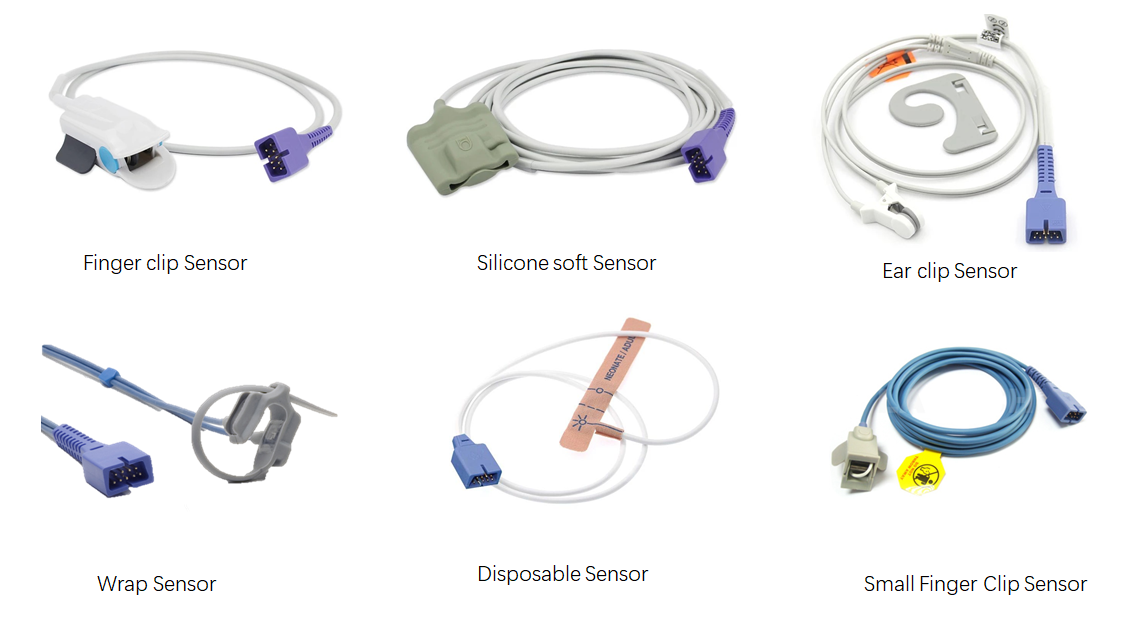
We measure blood oxygen by: Transcutaneous oximetry: is the easiest method. A simple blood oxygen saturation clip can be purchased for percutaneous oxygen saturation measurement, clip on the nail, and measure the percutaneous oxygen saturation content. At plains and sea level, normal values for transcutaneous oxygen saturation are above 93%. If there is corresponding lung disease and airway disease, blood oxygen saturation may drop. When the oxygen saturation through the skin is below 90%, it may have varying degrees of effects on the body.

If the partial pressure of oxygen is greater than 60% or 60mmHg, the oxygen saturation can be maintained above 90%, which is an adequate level. When the blood oxygen partial pressure is lower than 60mmHg, the patient may experience varying degrees of blood oxygen saturation, resulting in symptoms such as hypoxia, dyspnea, wheezing, and obvious symptoms such as chest tightness and suffocation.
Blood oxygen refers to the oxygen in the blood. The normal oxygen content of the human body is about 90%. The higher the oxygen content in the blood, the better a person's metabolism is. Of course, high blood oxygen levels are not a good sign. The blood oxygen in the human body has a certain saturation. If it is too low, it will cause insufficient oxygen supply to the body, and if it is too high, it will cause the cells in the body to age. Two important definitions: 1. Oxygen partial pressure (PO2) refers to the tension generated by the oxygen molecules dissolved in the plasma in the physical state (so it is also called oxygen tension). 2. Oxygen saturation refers to the percentage of hemoglobin-bound oxygen to saturation.
We measure blood oxygen by: Transcutaneous oximetry: is the easiest method. A simple blood oxygen saturation clip can be purchased for percutaneous oxygen saturation measurement, clip on the nail, and measure the percutaneous oxygen saturation content. At plains and sea level, normal values for transcutaneous oxygen saturation are above 93%. If there is corresponding lung disease and airway disease, blood oxygen saturation may drop. When the oxygen saturation through the skin is below 90%, it may have varying degrees of effects on the body.
If the partial pressure of oxygen is greater than 60% or 60mmHg, the oxygen saturation can be maintained above 90%, which is an adequate level. When the blood oxygen partial pressure is lower than 60mmHg, the patient may experience varying degrees of blood oxygen saturation, resulting in symptoms such as hypoxia, dyspnea, wheezing, and obvious symptoms such as chest tightness and suffocation.
How to measure SpO2 at home?
What causes affect the results of SpO2 measurement?
Related Article

Discover how summer heat affects the body and learn the difference between being overheated and having a fever. This guide provides practical tips on how to correctly measure body temperature in hot weather and highlights the features of UTECH Medical’s UTM10 infrared thermometer, including its one-second, non-contact measurement, 30-reading memory, and reliable accuracy for home and public safety.
Too Hot? Check Your Temperature the Right Way This Summer

Learn key facts about Marburg virus disease (MVD), a rare but severe hemorrhagic fever caused by a Filoviridae RNA virus. Discover how the virus spreads from Egyptian rousette bats to humans, its initial symptoms—including high fever, bleeding, and organ failure—and current laboratory diagnosis methods like RT-PCR. Explore supportive care treatments, prevention strategies
Marburg virus disease

Can asthma go away? Learn about asthma remission, genetic factors, symptoms, asthma cough, and the warning signs of life-threatening status asthmaticus.
Can Asthma Go Away Completely?

Explore tHIS ASEAN 2026, Southeast Asia’s leading healthcare exhibition connecting global medical technology providers with regional distributors, hospitals, and healthcare professionals. Discover ASEAN healthcare market growth, medical device opportunities, patient monitoring systems, pulse oximeters, AI healthcare, remote patient monitoring, and emerging trends shaping the future of healthcare across Southeast Asia.
tHIS ASEAN 2026: Southeast Asia Healthcare Exhibition and Medical Device Opportunities