
Remote Patient Monitoring News: Bridging the Gap Between Hospital and Home with High-Definition Tech
Remote Patient Monitoring News: Bridging the Gap Between Hospital and Home with High-Definition Tech
In the rapidly evolving landscape of modern healthcare, Remote Patient Monitoring (RPM) has transitioned from a futuristic concept to a clinical necessity. As healthcare systems worldwide face increasing pressure from aging populations and the rising prevalence of chronic diseases, RPM technology offers a lifeline. It allows healthcare providers to monitor patient vitals in real-time without requiring a physical office visit, fundamentally changing how we approach long-term care and post-operative recovery.
The Rise of the Virtual Ward
Recent industry reports indicate that the global RPM market is projected to grow significantly by 2026, driven by advancements in wireless connectivity and a shift toward value-based care. According to recent remote patient monitoring news, the integration of AI and high-definition monitoring interfaces is now the top priority for hospitals looking to reduce readmission rates. By capturing data continuously rather than in snapshots, clinicians can intervene before a health "event" becomes an emergency.
Transforming Patient Outcomes: Real-World Applications
The impact of RPM is best seen through its diverse clinical applications:
Introducing the UM Series: Monitoring Within Reach
As the demand for more sophisticated remote tools grows, the UM Series Patient Monitor emerges as a leader in bridging the gap between professional hospital care and accessible monitoring. Designed with both the clinician and the patient in mind, the UM Series puts reliable, high-quality healthcare within reach for everyone.
1. Unmatched Clarity: The 17-Inch Advantage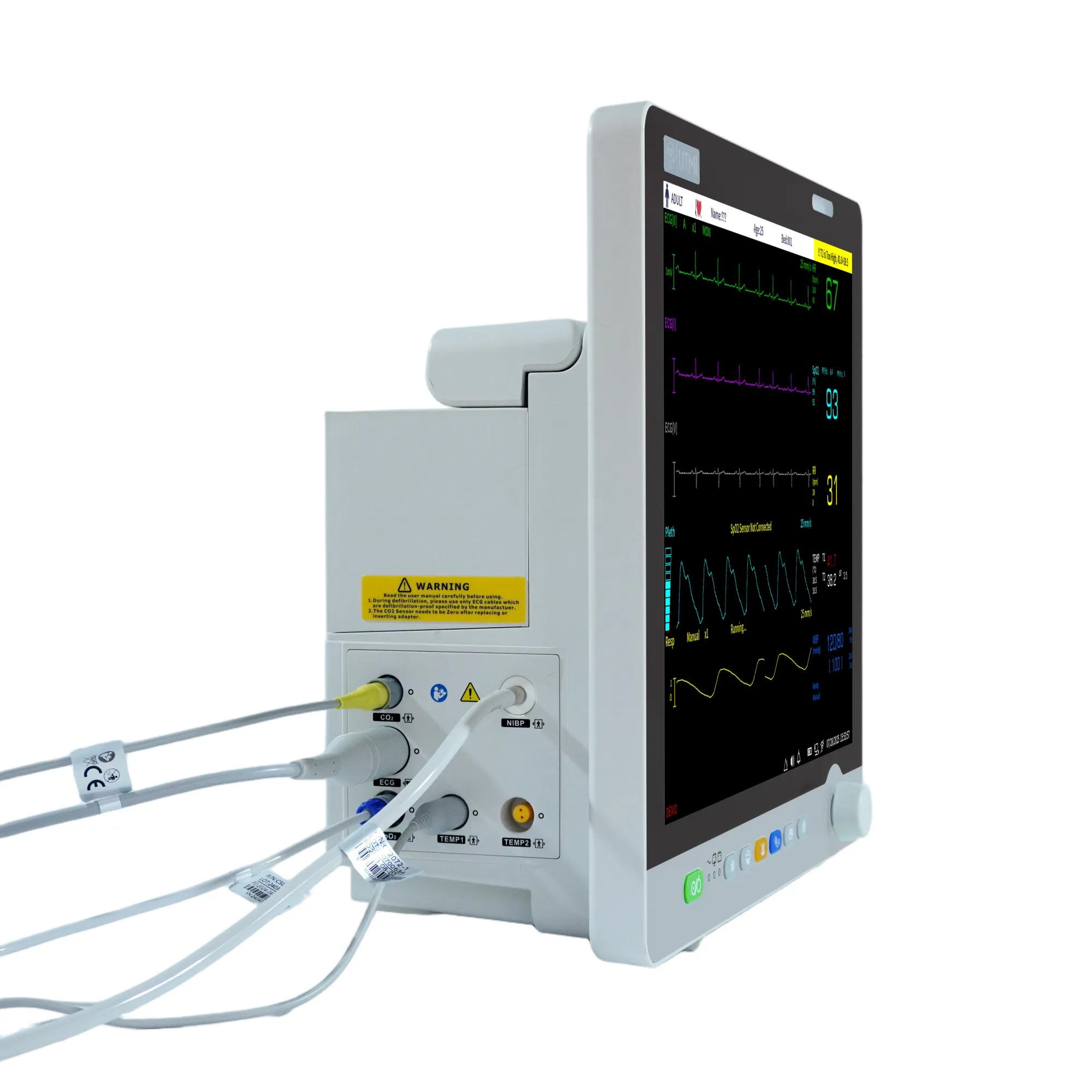
While many portable monitors sacrifice screen size for mobility, the UM Series features a tilted 17-inch LCD high-definition display. With a crisp 1280x1024 resolution, it offers outstanding clarity that is rare in the RPM space. This large, high-definition screen presents vital signs with exceptional sharpness, enabling medical staff to quickly identify critical trends and subtle anomalies in waveforms. In the world of RPM, where every pixel counts, this visibility accelerates decision-making and boosts overall monitoring efficiency.
2. Seamless Connectivity and Data Management
A core theme in current remote patient monitoring news is "interoperability." The UM2017 is equipped with advanced connectivity options, allowing it to be integrated seamlessly into a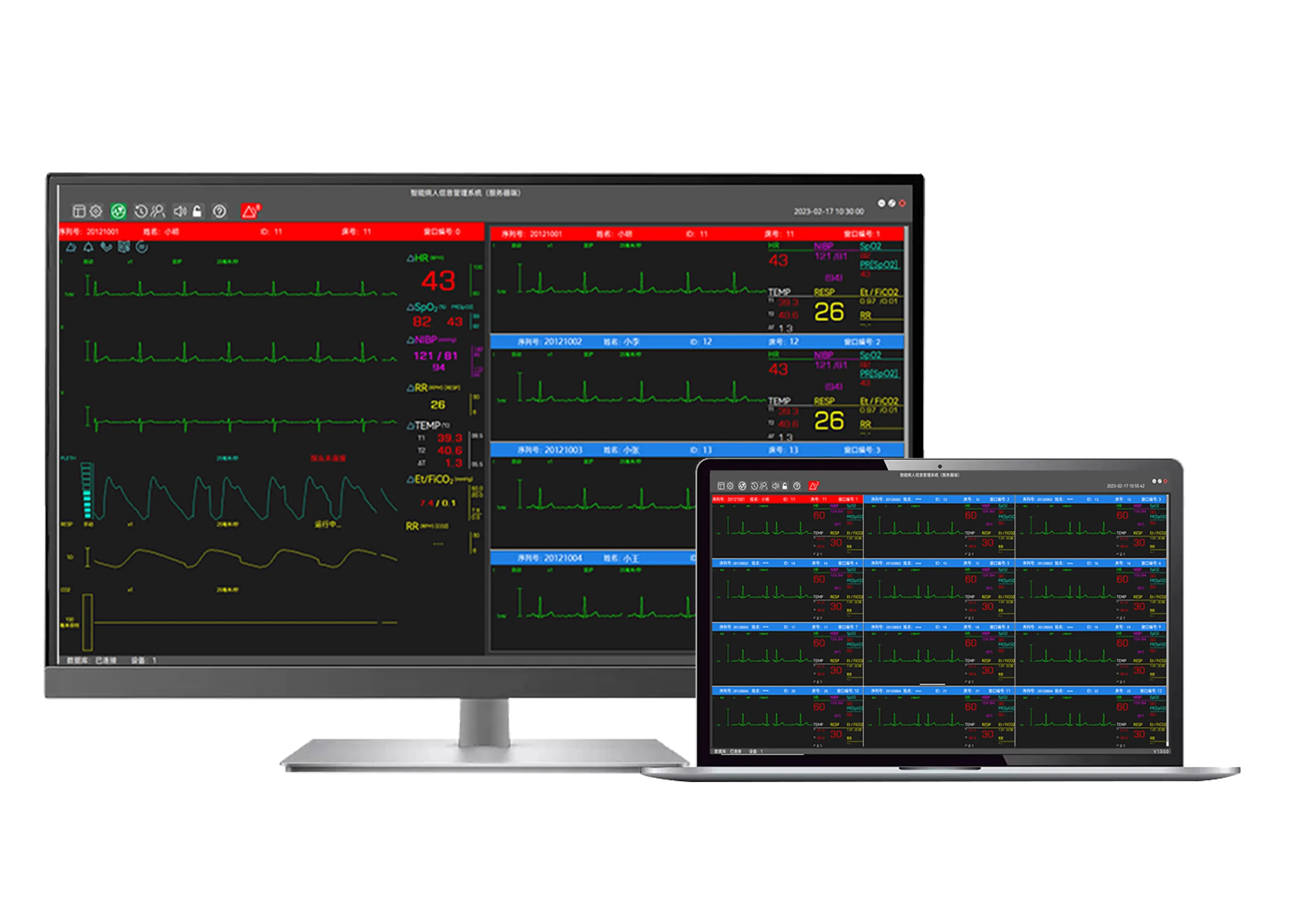 Central Monitoring System (CMS). This enables the real-time wireless transmission of patient data, ensuring that no matter where the patient is located within a facility or home care setup, their data is synchronized and accessible to the care team instantly.
3. Optimized for the Point of Care
Practicality is at the heart of the UM Series design. The device includes a unique Accessory Box, ensuring that all monitoring essentials—cables, cuffs, and sensors—are stored securely and are always within arm's reach. This eliminates equipment logistics headaches and allows medical staff to focus entirely on the patient. Additionally, the dexterous handle and rounded chamfer design provide a sense of modern technology while making the unit easy to transport.
Technical Excellence and Stability
The UM Series is built on an integrated module design that ensures safety, reliability, and stability. Its comprehensive specification suite includes:
Conclusion
As we look toward the future of healthcare, the message from the latest remote patient monitoring news is clear: the most effective tools will be those that combine high-end diagnostic power with user-friendly accessibility. The UM Series, with its massive 17-inch display and wireless CMS compatibility, represents the next generation of patient monitors—making high-quality healthcare a standard, not a luxury.
 Can Asthma Go Away Completely?
  tHIS ASEAN 2026: Southeast Asia Healthcare Exhibition and Medical Device Opportunities
  Ebola Outbreaks in Africa: Clinical Challenges, Supportive Care, and the Role of Patient Monitoring
  Why Is AI Making Medical Devices More Expensive? A Patient Monitor Case Study
  COPD Statistics 2026: Global Prevalence, Mortality, Risk Factors and Healthcare Costs
  Nocturnal Hypoxia and Cardiac Instability in Elderly Patients: The Clinical Value of Continuous Monitoring
  Watching the World Cup at Estadio Azteca? Why Your SpO2 Isn't Accurate?
  Breaking 2: What the 2026 London Marathon Record Tells Us About SpO2 and Your Training
  Normal Blood Oxygen Saturation Levels in Elderly vs Young Adults: What’s the Difference?
  More Than SpO₂ — What the Perfusion Index Truly Reveals
  Does Nail Polish Affect Pulse Oximeter Accuracy? — The Science Behind the Signal —
  Does Skin Tone Affect Pulse Oximeter Accuracy? -The Science Behind the Signal
 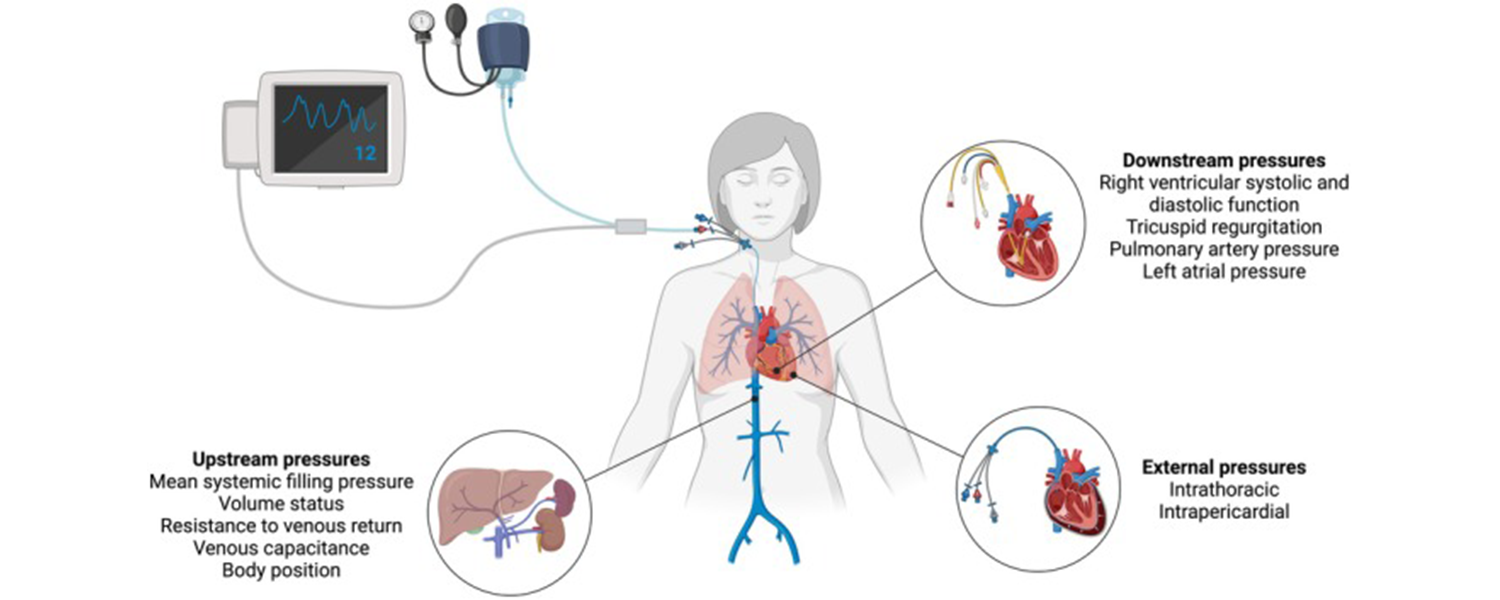 Rethinking Central Venous Pressure ( CVP) : From Traditional Marker to Part of Comprehensive Hemodynamic Assessment
  Understanding COPD and Why Oxygen Monitoring Matters More Than Ever
  Why Everyone Should Have a Pulse Oximeter
 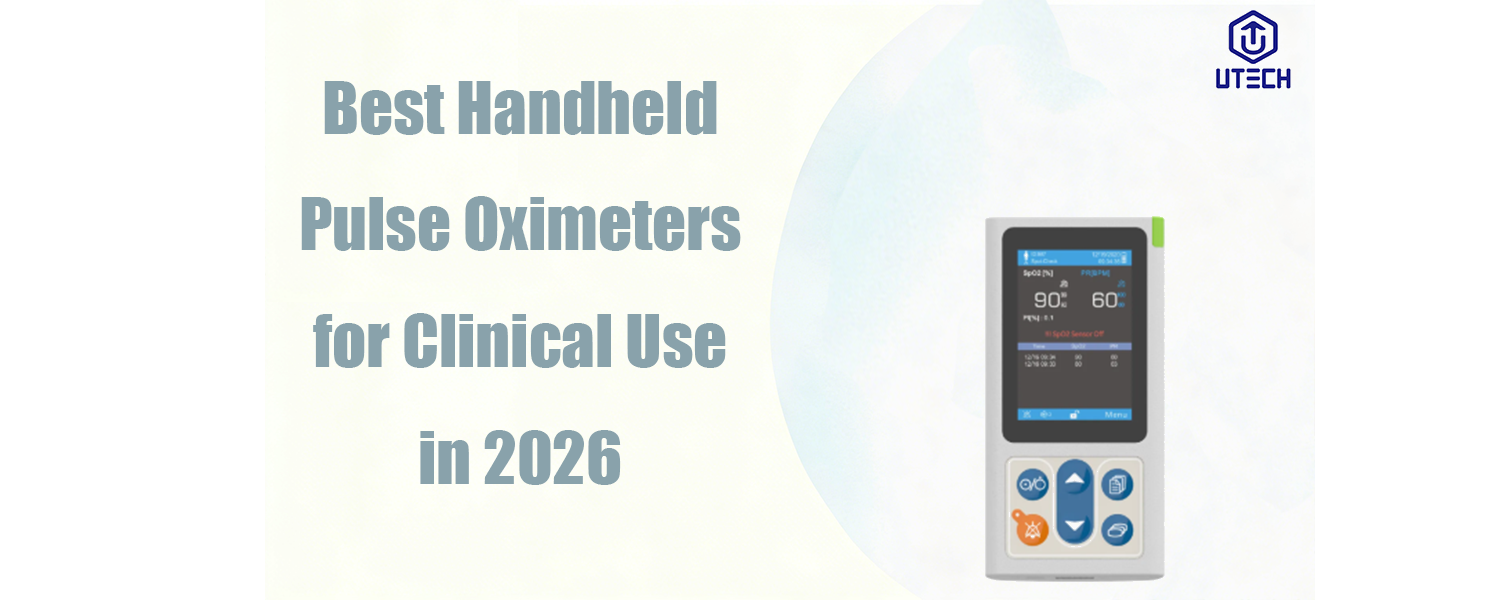 Best Handheld Pulse Oximeters for Clinical Use in 2026
 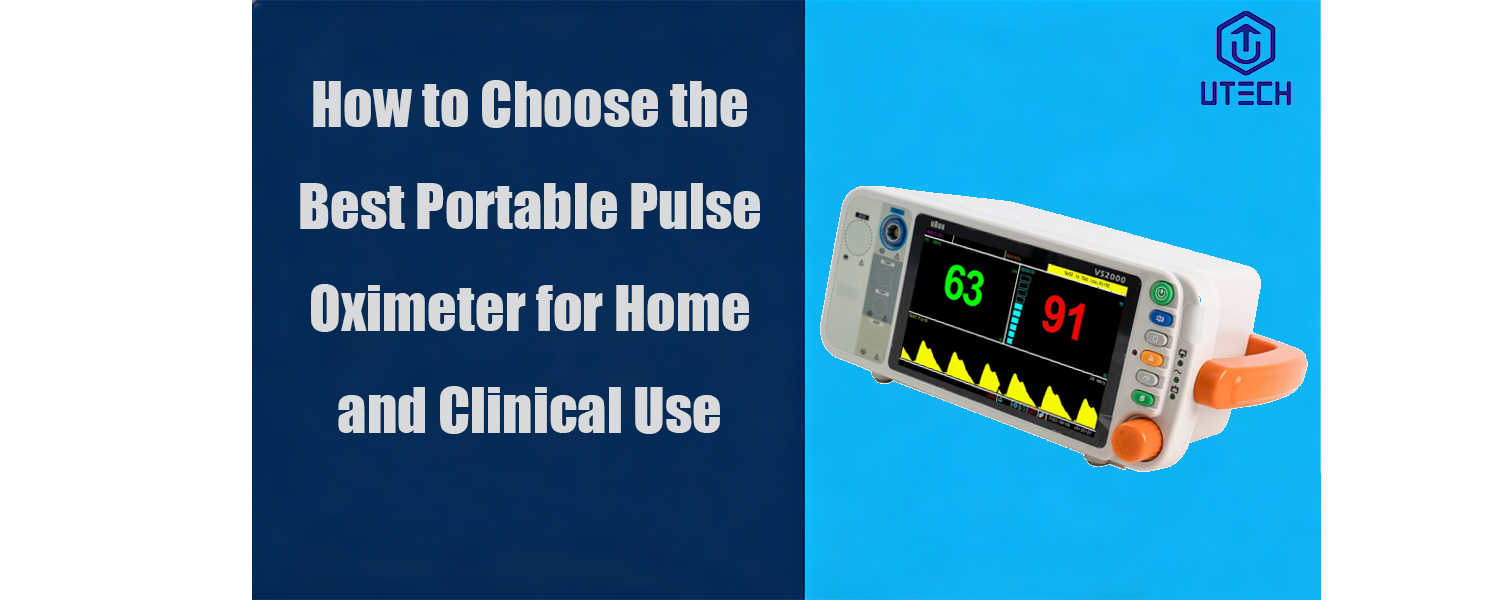 How to Choose the Best Portable Pulse Oximeter for Home Use
 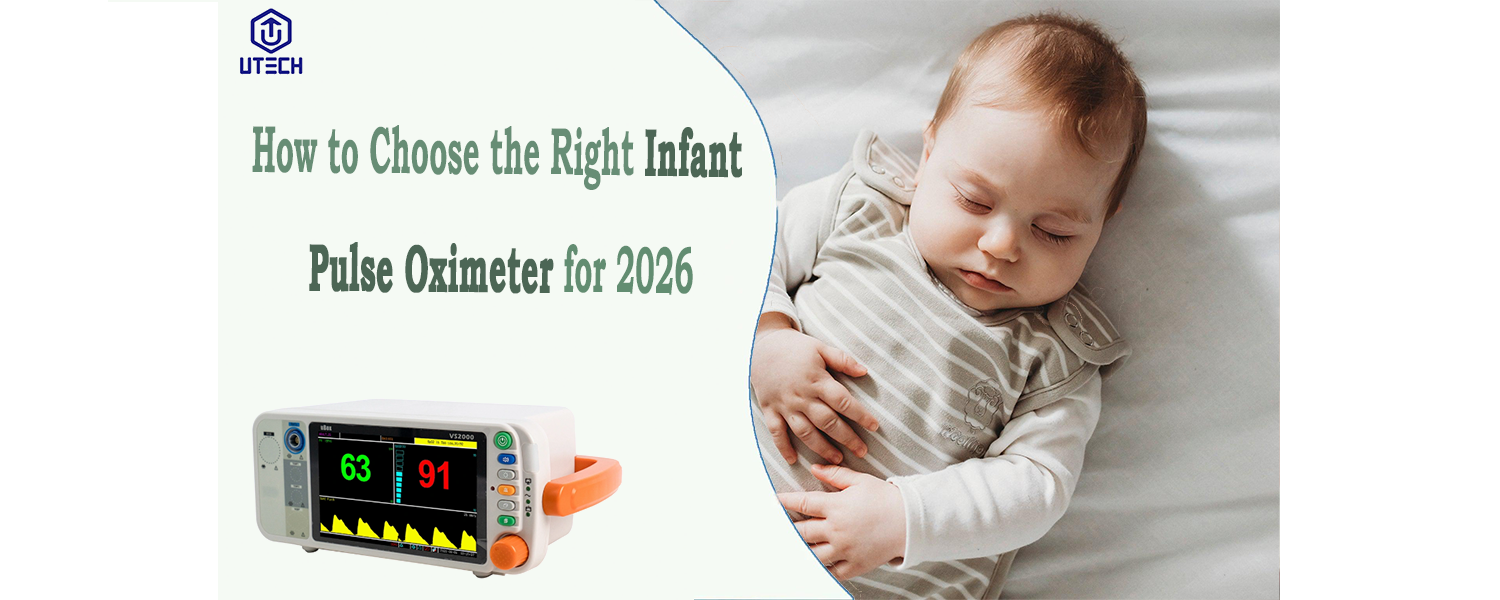 How to Choose the Right Infant Pulse Oximeter for 2026
 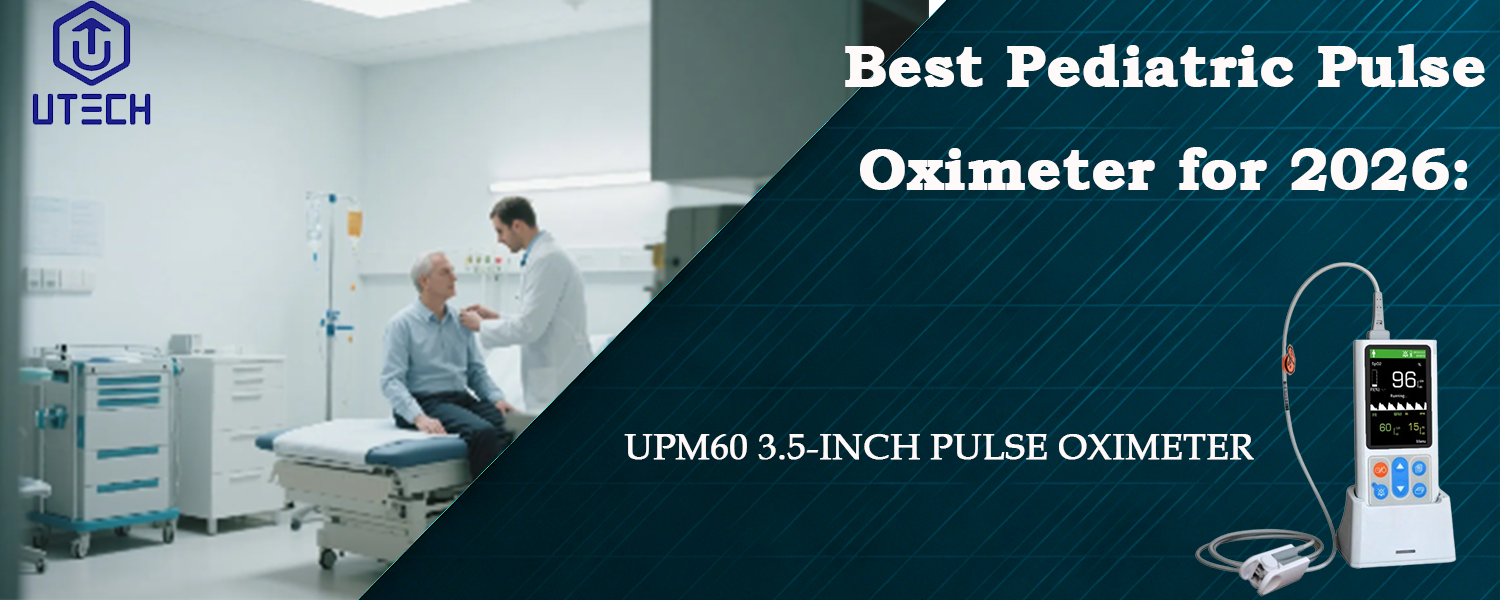 Best Pediatric Pulse Oximeter for 2026: UPM60 3.5-INCH PULSE OXIMETER
 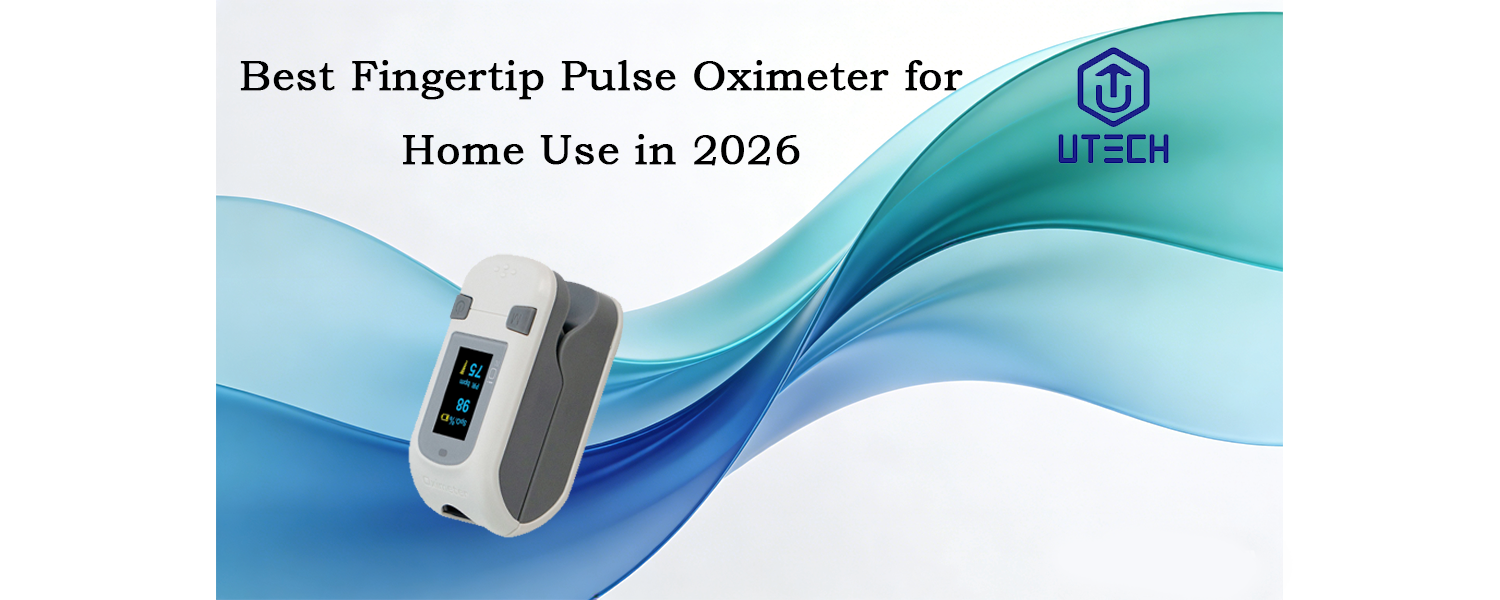 Best Fingertip Pulse Oximeter for Home Use in 2026