
Which is Better for Your Clinic: Patient Monitor or Vital Sign Monitor?
Patient Monitor vs Vital Signs Monitor
Choosing the Right Monitor for Your Clinic
In the fast-paced environment of a veterinary clinic or medical facility, choosing the suitable monitor is not just a matter of budget — it is a matter of clinical precision and patient safety.
Many practitioners often ask: What is the difference between a Patient Monitor and a Vital Sign Monitor? Which is better for their clinic?
While they may look similar at a glance, their roles in clinical workflows are distinct. Understanding these nuances will help you optimize your clinic’s efficiency.
Patient Monitor: The Guardian of Continuous Care
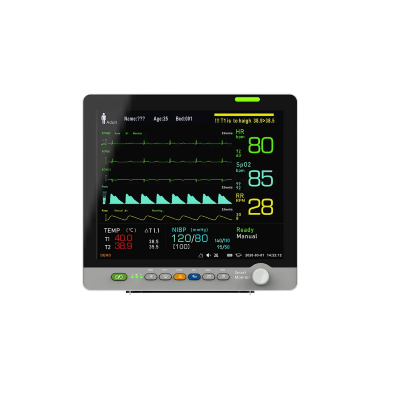
The Patient Monitor is designed for high-acuity environments where second-by-second data is critical. These devices typically monitor a comprehensive array of physiological parameters, including:
- ECG (Electrocardiogram) for heart rhythm analysis
- SpO₂ (Oxygen Saturation) and NIBP (Non-invasive Blood Pressure)
- TEMP (Temperature) and Resp (Respiration)
- Optional high-end parameters like EtCO₂ or IBP
Vital Sign Monitor: The Specialist for Rapid Assessment
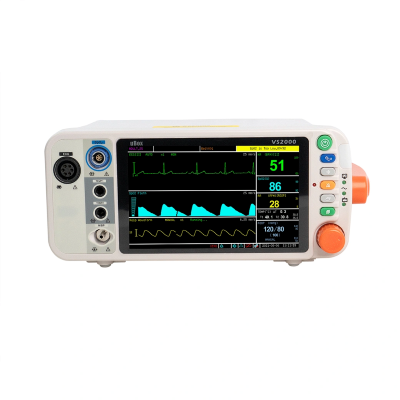
The Vital Signs Monitor is widely used for routine checks. It focuses on the core indicators of life, such as heart rate, blood pressure, temperature, and respiratory rate (RR).
Key Considerations:
Monitoring Duration: Need to watch a patient for hours? Choose Patient Monitor. Need a quick 30-second snapshot? A Vital Sign Monitor is more efficient.
Parameter Depth: Require detailed 7-lead ECG? Go with a dedicated Patient Monitor.
Conclusion: Making the Right Investment
Choosing depends entirely on the level of care your department provides.
What Is PI on the Pulse Oximeter — And Why Should You Care?
Foundation for Technology Implementation: UTECH Co., Ltd Bridges the "Last Mile" of Management with Reliable Equipment
Related Article