
Industry Terminology Explained: What is a “Smart Hospital”?
author: Villa
2025-06-26
In the ever - evolving healthcare industry, the term “Smart Hospital” has become increasingly prevalent, yet its exact meaning often remains elusive. As technology continues to reshape the way we approach medical care, understanding what a smart hospital entails is crucial for patients, healthcare professionals, and industry stakeholders alike.
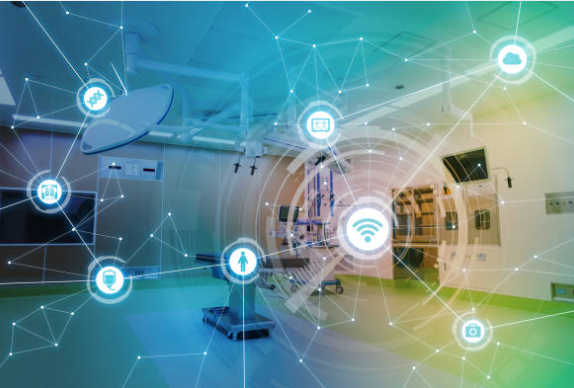
A smart hospital is a healthcare facility that integrates advanced technologies, such as artificial intelligence (AI), the Internet of Things (IoT), big data analytics, cloud computing, and machine learning, to optimize every aspect of hospital operations, enhance patient care, and drive medical innovation. At its essence, it represents a digital transformation of traditional healthcare delivery, aiming to create a more efficient, connected, and patient - centric ecosystem.
Smart Patient - Centric Services
One of the primary focuses of a smart hospital is to improve the patient experience. From the moment a patient schedules an appointment to their post - treatment follow - up, technology streamlines and personalizes the entire process. AI - powered chatbots and mobile applications have become the first point of contact for many patients. These tools can answer frequently asked questions, assist with appointment scheduling, and even provide basic health advice based on symptom input. For example, a patient experiencing flu - like symptoms can use a hospital’s mobile app to describe their symptoms. The app, leveraging AI algorithms, can then recommend appropriate self - care measures or suggest booking an appointment with the relevant department.
Once inside the hospital, IoT - enabled devices play a vital role in patient monitoring. Wearable sensors can continuously track a patient’s vital signs, including heart rate, blood pressure, and oxygen saturation, and transmit the data in real - time to healthcare providers. This real - time monitoring is especially crucial in critical care units, where any sudden changes in a patient’s condition can be detected promptly, allowing for immediate intervention. Additionally, smart hospital beds equipped with sensors can automatically adjust to a patient’s position, reducing the risk of pressure ulcers and enhancing comfort.
Another significant aspect of smart patient services is the digitization and seamless sharing of medical records. With cloud - based electronic health record (EHR) systems, healthcare providers from different departments can access a patient’s complete medical history instantly. This eliminates the need for patients to repeat their medical history multiple times and enables doctors to make more informed, accurate diagnoses and treatment decisions. For instance, a cardiologist can quickly review a patient’s previous lab results, medications, and hospitalizations, ensuring that the treatment plan takes into account the patient’s overall health status.
Intelligent Hospital Management
Smart hospitals also leverage technology to optimize internal management and resource allocation. Big data analytics is a powerful tool in this regard. By analyzing historical patient admission data, seasonal trends, and staff workloads, hospital administrators can make data - driven decisions about staff scheduling, bed management, and resource allocation. For example, if data shows that the emergency department experiences a surge in patients during certain hours of the day, administrators can ensure that there are sufficient doctors, nurses, and support staff on duty during those peak times.
IoT sensors are used to manage hospital assets efficiently. These sensors can track the location, usage, and maintenance status of medical equipment, such as infusion pumps, ventilators, and surgical instruments. This not only helps prevent equipment loss but also ensures that devices are always in optimal working condition. For instance, if a sensor detects that a particular piece of equipment is approaching its maintenance deadline, the hospital’s maintenance team can be automatically notified, reducing the risk of equipment failure during critical procedures.
Energy management is another area where smart hospitals are making significant strides. By installing smart meters and sensors throughout the facility, hospitals can monitor energy consumption in real - time. Based on this data, they can implement energy - saving measures, such as adjusting lighting and heating systems according to occupancy levels. This not only reduces the hospital’s carbon footprint but also leads to substantial cost savings in the long run.
Technological Advancements in Medical Research and Education
Smart hospitals are at the forefront of medical research and education. The vast amount of patient data collected within these facilities provides invaluable resources for researchers. AI and machine learning algorithms can analyze this data to identify patterns, discover new disease biomarkers, and develop more effective treatment strategies. For example, by analyzing genetic data from thousands of cancer patients, researchers may be able to identify specific genetic mutations that are more responsive to certain therapies, leading to personalized cancer treatment options.
In medical education, virtual reality (VR) and augmented reality (AR) technologies are being increasingly adopted. VR simulations allow medical students to practice complex surgical procedures in a risk - free environment, honing their skills before performing on actual patients. AR, on the other hand, can overlay digital information, such as anatomical structures or medical images, onto the real - world environment during surgeries or patient examinations. This provides surgeons and medical students with additional insights and improves the accuracy of procedures.
The Impact and Future of Smart Hospitals
The implementation of smart hospital technologies has far - reaching impacts. For patients, it means faster, more accurate diagnoses, better - coordinated care, and improved health outcomes. Healthcare providers benefit from increased efficiency, reduced administrative burdens, and access to more comprehensive patient data, enabling them to deliver higher - quality care. Hospital administrators can optimize resources, control costs, and enhance overall operational performance.
Looking to the future, the concept of smart hospitals will continue to evolve and expand. As 5G technology becomes more widespread, it will enable even faster data transfer, supporting real - time remote consultations, surgeries, and more seamless integration of various smart hospital systems. Additionally, the development of more advanced AI algorithms and the increasing adoption of blockchain technology for secure data sharing will further enhance the capabilities of smart hospitals.
In conclusion, a smart hospital is a revolutionary approach to healthcare that combines technology with medical expertise to create a more efficient, patient - centric, and innovative healthcare environment. As we move forward, smart hospitals will play an increasingly important role in shaping the future of healthcare, improving the lives of patients and healthcare professionals alike.
If you want to know more information, please click the link below: //www.chinautech.com/
Pulse Oximeter Buying Guide: 3 Core Parameters to Focus on Beyond the Numbers
From ICU to Home: How Portable Monitors are Reconstructing the Chronic Disease Management Ecosystem?
Related Article

Discover how summer heat affects the body and learn the difference between being overheated and having a fever. This guide provides practical tips on how to correctly measure body temperature in hot weather and highlights the features of UTECH Medical’s UTM10 infrared thermometer, including its one-second, non-contact measurement, 30-reading memory, and reliable accuracy for home and public safety.
Too Hot? Check Your Temperature the Right Way This Summer

Learn key facts about Marburg virus disease (MVD), a rare but severe hemorrhagic fever caused by a Filoviridae RNA virus. Discover how the virus spreads from Egyptian rousette bats to humans, its initial symptoms—including high fever, bleeding, and organ failure—and current laboratory diagnosis methods like RT-PCR. Explore supportive care treatments, prevention strategies
Marburg virus disease

Can asthma go away? Learn about asthma remission, genetic factors, symptoms, asthma cough, and the warning signs of life-threatening status asthmaticus.
Can Asthma Go Away Completely?

Explore tHIS ASEAN 2026, Southeast Asia’s leading healthcare exhibition connecting global medical technology providers with regional distributors, hospitals, and healthcare professionals. Discover ASEAN healthcare market growth, medical device opportunities, patient monitoring systems, pulse oximeters, AI healthcare, remote patient monitoring, and emerging trends shaping the future of healthcare across Southeast Asia.
tHIS ASEAN 2026: Southeast Asia Healthcare Exhibition and Medical Device Opportunities