
From ICU to Home: How Portable Monitors are Reconstructing the Chronic Disease Management Ecosystem?
In the traditional healthcare model, the Intensive Care Unit (ICU) has long been the epicenter for monitoring and treating patients with life - threatening conditions. The ICU is equipped with advanced, large - scale monitoring devices that continuously track a patient's vital signs, providing real - time data to medical staff for immediate intervention. However, as the prevalence of chronic diseases rises globally, there is a growing need for a more flexible and patient - centered approach to disease management. This is where portable monitors are making a significant impact, effectively bridging the gap between the intensive care environment of the ICU and the comfort of home, and in the process, reconstructing the chronic disease management ecosystem.
The Limitations of Traditional ICU - Centric Chronic Disease Management
For chronic disease patients, frequent hospitalizations, especially extended stays in the ICU, can be both physically and emotionally taxing. Moreover, the high - tech, high - cost monitoring equipment in the ICU is not designed for long - term, at - home use. Patients often find themselves in a cycle of exacerbations that lead to hospital admissions, where they receive intensive care, only to return home with limited means to continue the same level of close monitoring. This disjointed approach not only disrupts the patient's quality of life but also strains healthcare resources.
In addition, the transition from the ICU to home care has typically been a challenging one. There is often a lack of seamless communication between hospital - based care teams and home - based caregivers or patients themselves. Patients may struggle to manage their conditions independently at home, leading to a higher risk of readmissions.
The Rise of Portable Monitors: A Game - Changer in Chronic Disease Management
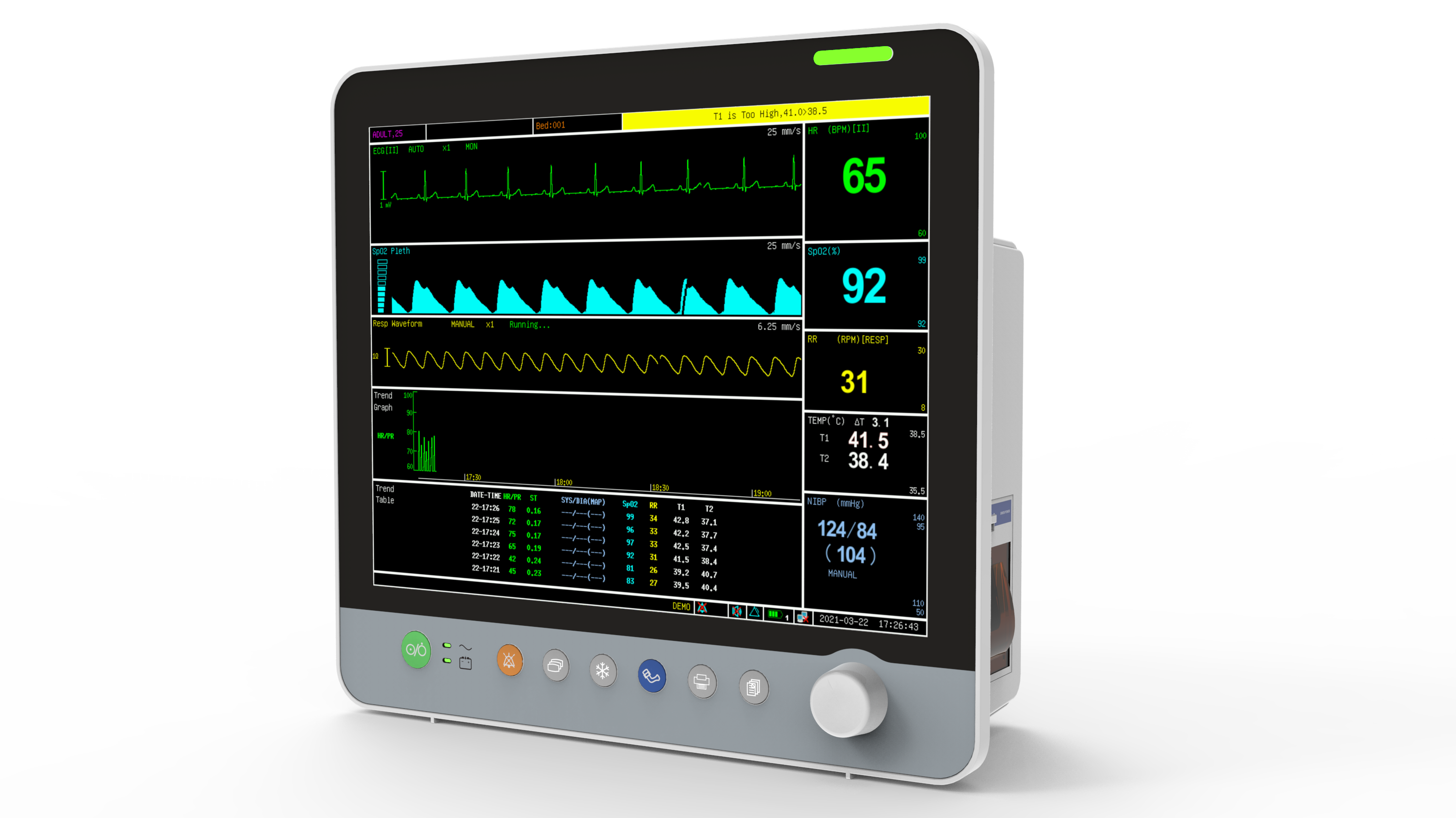
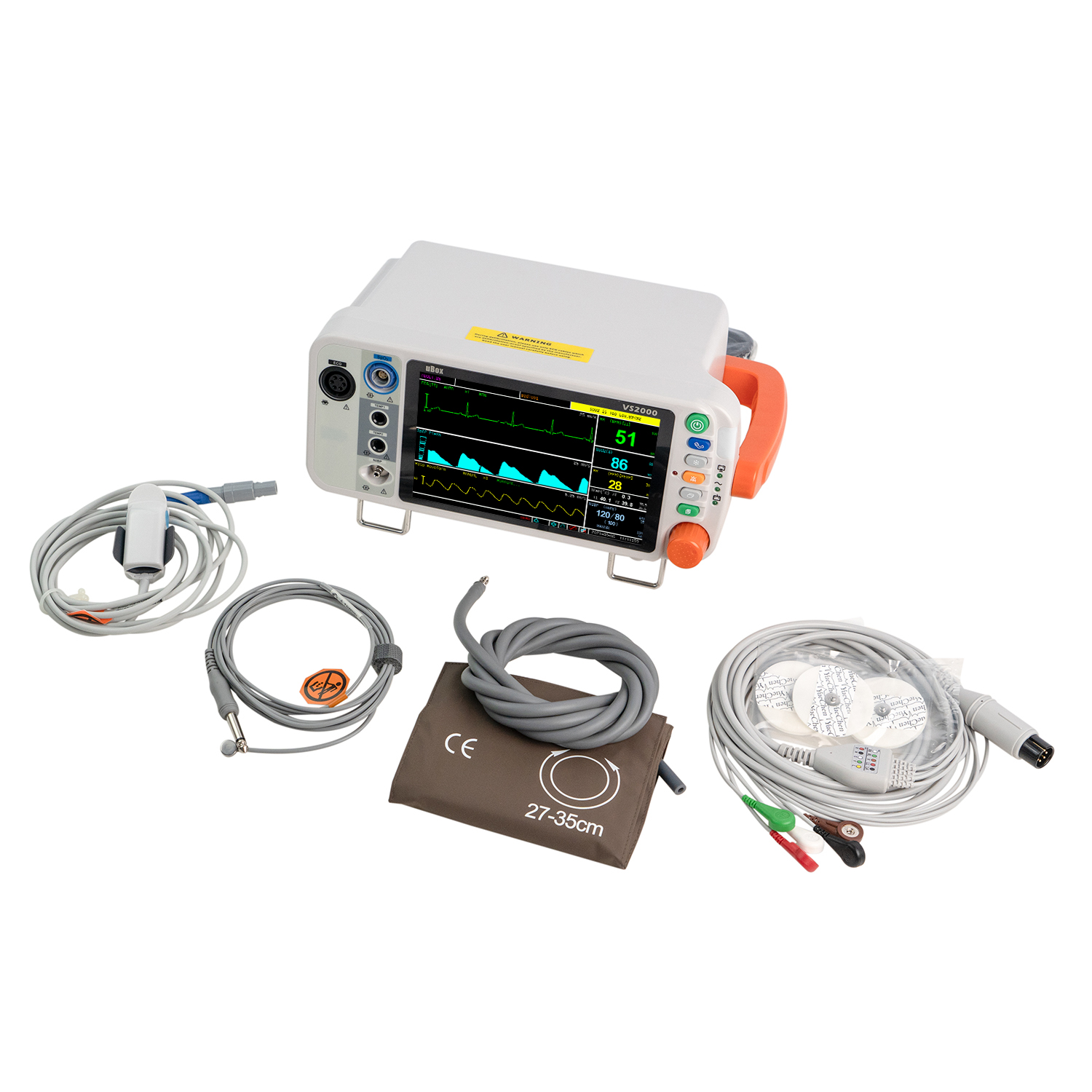
Portable monitors have emerged as a revolutionary solution in the field of chronic disease management. These devices, which range from simple wearable health trackers to more sophisticated portable multi - parameter monitors, are designed to be user - friendly, lightweight, and capable of providing accurate health data.
1. Empowering Patients with Self - Monitoring
One of the key ways portable monitors are transforming chronic disease management is by enabling patients to take an active role in their own care. For example, patients with diabetes can now use portable blood glucose monitors to check their sugar levels multiple times a day at home. This real - time data allows them to make immediate adjustments to their diet, exercise, or medication. Similarly, individuals with heart conditions can use portable electrocardiogram (ECG) monitors to record their heart rhythms during daily activities. By being able to monitor their health continuously, patients feel more in control of their conditions, which can lead to better compliance with treatment plans.
2. Real - Time Data Transmission and Telemedicine Integration
Modern portable monitors are often equipped with wireless connectivity features, allowing them to transmit health data in real - time to healthcare providers. This has significantly enhanced the concept of telemedicine. For instance, a patient with chronic obstructive pulmonary disease (COPD) can use a portable oximeter to measure their oxygen saturation levels at home. The data is then automatically sent to their doctor's office, who can review the readings and make informed decisions about treatment adjustments without the patient having to schedule an in - person visit. This not only saves time and effort for both the patient and the healthcare provider but also enables more proactive management of chronic diseases.
3. Cost - Effectiveness and Resource Optimization
The use of portable monitors in chronic disease management can lead to significant cost savings. By allowing patients to manage their conditions at home, the need for frequent hospitalizations and expensive in - hospital monitoring can be reduced. For example, in the case of patients with congestive heart failure, early detection of worsening symptoms through home - based portable monitors can prevent the need for costly ICU admissions. This also helps to optimize healthcare resources, as hospital beds can be reserved for patients with more acute and critical needs.
4. Expanding the Scope of Monitoring
Portable monitors are also expanding the scope of what can be monitored in chronic disease patients. Some advanced devices can now measure multiple parameters simultaneously, such as heart rate, blood pressure, respiratory rate, and even sleep patterns. This comprehensive data provides a more holistic view of the patient's health, allowing healthcare providers to detect subtle changes in a patient's condition earlier and intervene more effectively.
The Impact on the Chronic Disease Management Ecosystem
The integration of portable monitors into chronic disease management is having a profound impact on the entire healthcare ecosystem.
1. Transforming the Role of Healthcare Providers
Healthcare providers are now able to shift their focus from reactive, in - hospital care to more proactive, preventive care. With access to real - time data from portable monitors, doctors can identify trends in a patient's health over time and provide personalized advice and treatment plans. This also allows for better coordination between different healthcare providers involved in a patient's care, such as primary care physicians, specialists, and nurses.
2. Strengthening the Patient - Provider Relationship
Portable monitors facilitate better communication between patients and healthcare providers. Patients feel more engaged in their care as they are actively involved in collecting and sharing their health data. This, in turn, leads to a stronger, more trusting relationship between patients and their providers.
3. Driving Innovation in Healthcare Technology
The growing demand for portable monitors is fueling innovation in the healthcare technology sector. Companies are investing in research and development to create more advanced, accurate, and user - friendly devices. This includes the development of new sensor technologies, more efficient data transmission methods, and improved software for data analysis.
4. Redefining the Concept of "Hospital - at - Home"
The use of portable monitors is blurring the lines between hospital - based and home - based care. The concept of "hospital - at - home" is becoming a reality, where patients can receive high - quality, monitored care in the comfort of their own homes. This not only improves patient satisfaction but also has the potential to improve health outcomes, as patients are in a familiar and less stressful environment.
In conclusion, portable monitors are playing a pivotal role in reconstructing the chronic disease management ecosystem. By enabling patients to monitor their health at home, facilitating real - time data sharing with healthcare providers, and optimizing healthcare resources, these devices are paving the way for a more patient - centered, efficient, and effective approach to chronic disease management. As technology continues to advance, the future of chronic disease care looks increasingly bright, with portable monitors at the forefront of this healthcare revolution.
Industry Terminology Explained: What is a “Smart Hospital”?
Engineering for the Final Frontier: How Astronaut Blood Oxygen Monitoring Is Reinventing Medical Tech
Related Article