
Navigating the FDA’s New Rules: What the Stricter Clinical Validation Means for Home Pulse Oximeters
A Shift in Home Healthcare Standards
The U.S. Food and Drug Administration (FDA) tightened clinical validation requirements for home-use pulse oximeters—a move signaling a critical evolution in how consumer health devices are evaluated. These updates, detailed in the FDA’s latest guidance (September 2024), address growing evidence that some over-the-counter oximeters may deliver unreliable readings for users with darker skin tones or during low-blood-flow conditions. For manufacturers and consumers alike, understanding these changes isn’t just about compliance; it’s about advancing equitable healthcare outcomes.
The Heart of the New Requirements
At the core of the updated FDA framework is a demand for more rigorous and diverse clinical testing. Previously, many home oximeters relied on small-scale studies with predominantly light-skinned participants. Under the new rules, manufacturers must now prove device accuracy across a clinically representative sample that includes at least 30% participants with darker skin pigmentation (Fitzpatrick types V-VI). This shift responds directly to research indicating that traditional devices can overestimate oxygen saturation by up to 3% in these populations—a variance that could mask dangerous hypoxemia.
Additionally, the FDA now mandates testing under real-world physiological stressors like low perfusion (poor blood flow) and motion artifact. Devices must maintain accuracy during activities ranging from cold-hand scenarios to light exercise, acknowledging that patients often check oxygen levels when symptoms arise.
Why This Matters to Consumers
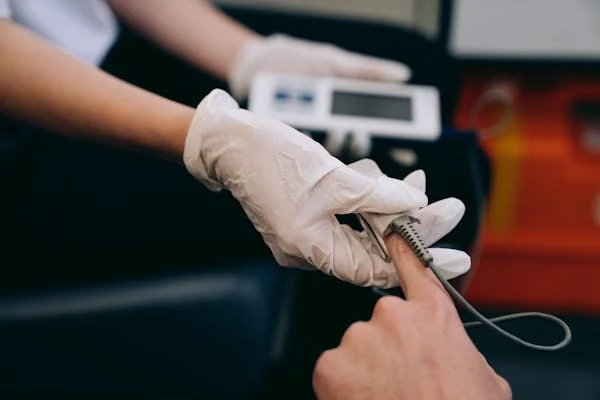
For families using home oximeters to monitor conditions like COVID-19 recovery or COPD, these changes translate to greater trust in device readings. Consider Jane Rivera’s experience: When her pulse oximeter showed normal levels during a severe asthma flare-up last winter, ER doctors later discovered her actual oxygen saturation was dangerously low—a discrepancy potentially linked to her olive skin tone. Incidents like these underscore why the FDA now requires clear labeling distinguishing FDA-cleared medical-grade devices from "wellness" trackers lacking clinical validation.
Dr. Arjun Patel, a pulmonary specialist at Johns Hopkins, explains the real-world impact: "An overestimation of just 2% in oxygen saturation could delay a patient’s ER visit by critical hours. These regulations ensure home devices meet the same reliability standards we depend on in hospitals."
Looking Ahead: The Future of Home Monitoring
These changes signal a broader trend toward professional-grade home diagnostics. As telehealth expands, regulatory rigor ensures that remote health decisions—from adjusting oxygen therapy to triaging ER visits—are grounded in reliable data.
If you want to know more information, please click the link below: //www.chinautech.com/
Engineering for the Final Frontier: How Astronaut Blood Oxygen Monitoring Is Reinventing Medical Tech
Guardianship at Home: How a Pulse Oximeter Helped a Mother Catch Her Preemie's Silent Breathing Crisis
Related Article