
Beyond the Beep: How Patient Monitors Guard Special Populations & Critical Cases
Those familiar screens with dancing lines and flashing numbers – patient monitors – are far more than just hospital equipment. They act as vigilant electronic guardians, playing a critical role for unique patient groups and during life-threatening events. Let's explore how these devices adapt to the specific needs of our tiniest patients, those recovering from major heart surgery, and individuals facing medical emergencies.
Guardians of the Tiniest: Understanding Neonatal Monitoring
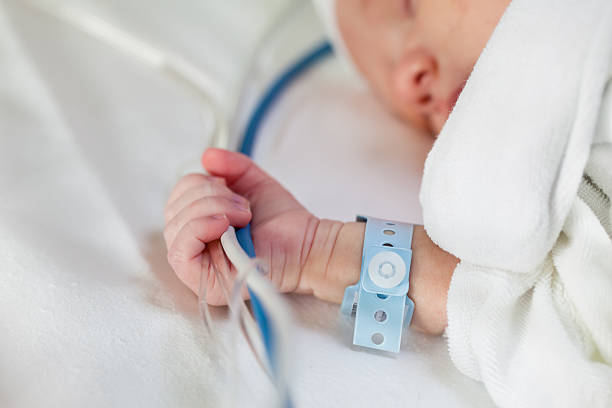
Caring for newborns, especially those born prematurely or critically ill, requires extraordinary precision. Their unique physiology means even minor changes can signal significant problems. Neonatal ICU monitors provide essential data, interpreted with special care. A newborn's heart rate is naturally faster than an adult's, typically resting between 120 and 160 beats per minute. Crucially, these monitors feature highly sensitive apnea alarms designed to detect dangerous pauses in breathing, which often trigger bradycardia, a concerning drop in heart rate below 100 bpm.
Breathing patterns are equally vital. Normal respiratory rates for infants range from 30 to 60 breaths per minute, and monitors constantly track for signs of distress like excessively rapid breathing (tachypnea) or worrisome pauses (apnea). Monitoring oxygen saturation (SpO2) demands special attention, with target ranges narrower than adults – often 90-95% for preemies, sometimes higher for full-term infants. This requires miniaturized pulse oximeter probes placed carefully on delicate areas like the foot, hand, or wrist to avoid skin injury while ensuring reliable readings.
Blood pressure measurement necessitates specialized, tiny cuffs, with clinicians often focusing more closely on Mean Arterial Pressure (MAP) than systolic or diastolic readings to ensure adequate blood flow to developing organs. Continuous temperature monitoring via skin probes is also essential, as premature infants lose heat rapidly, and even mild hypothermia poses serious risks. Advanced monitors may also integrate specialized sensors like ETCO2 (capnography) to confirm breathing tube placement and ventilation effectiveness in intubated babies, or non-invasive bilirubin meters to screen for jaundice. Ultimately, neonatal monitoring relies on gentle sensors, carefully calibrated high-sensitivity alarms, and displays tailored to the specific norms of these vulnerable patients.
The Healing Heart at Home: Post-Operative Monitoring After Cardiac Surgery
Recovery from major heart surgery extends well beyond the hospital stay. Home monitoring empowers patients and provides invaluable data for their care team, playing a key role in a safe recovery. The core of most home plans involves three essential devices. An automatic blood pressure monitor for the upper arm is crucial for managing post-operative hypertension and ensuring medication efficacy, with patients logging readings daily. A pulse oximeter continuously tracks oxygen levels (SpO2), vital for patients whose lung function was affected or who have residual heart issues, as low readings signal potential problems. Daily weight checks are non-negotiable; sudden weight gain, often defined as more than 2 pounds in 24 hours or 5 pounds in a week, is a major red flag indicating fluid retention and potential worsening heart failure.
Increasingly, advanced options enhance home surveillance. ECG patches or wearables, worn for days or weeks, transmit heart rhythm data, proving vital for detecting common post-operative complications like Atrial Fibrillation (AFib) which requires prompt treatment. For the highest-risk patients, tiny implanted loop recorders placed under the skin continuously monitor electrical activity, catching elusive arrhythmias. Successful home monitoring hinges on a clear plan: patients receive thorough training on their target ranges for blood pressure, SpO2, and weight, learn techniques for taking consistent and accurate readings, securely transmit data via apps, portals, or phone to their cardiac rehab team or clinic, and understand specific protocols for when to immediately call their doctor or seek emergency care based on symptoms or monitor alerts. This approach empowers patients, enables early detection of dangerous complications like fluid buildup or arrhythmias, helps reduce hospital readmissions, and provides essential peace of mind during a vulnerable recovery.
The Lifeline in Chaos: Monitors on the Frontlines of Emergency Care
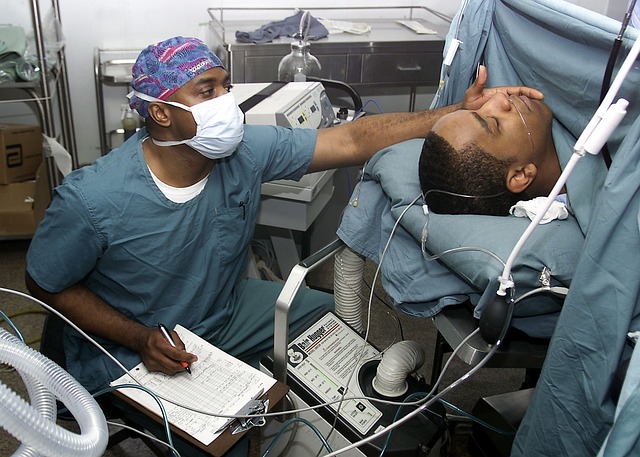
In the high-stakes environment of ambulances, emergency rooms, and trauma bays, patient monitors are indispensable lifelines, providing instant critical data to guide life-saving decisions. Speed is paramount. Within seconds, these devices deliver a rapid assessment of core vital signs. The ECG provides an immediate view of the heart's electrical activity, crucial for identifying deadly arrhythmias like Ventricular Fibrillation or Asystole, or diagnosing a heart attack through specific changes like ST-elevation (STEMI). Pulse oximetry (SpO2) offers a critical snapshot of oxygen levels, essential for evaluating patients in respiratory distress from asthma, pneumonia, or choking, as well as those in shock or suffering trauma. Non-invasive blood pressure (NIBP) readings quickly reveal dangerously low pressure (hypotension) indicating shock or critically high pressure (hypertension), with monitors often set to rapid cycling in unstable patients. Heart rate itself, whether extremely fast (tachycardia) or slow (bradycardia), instantly signals the level of urgency.
During resuscitation efforts like CPR, monitors actively guide the process. Capnography (ETCO2) tracks the waveform of exhaled carbon dioxide, helping assess the effectiveness of chest compressions and indicating the return of spontaneous circulation. This same ETCO2 reading is also vital for confirming correct placement of a breathing tube in the trachea. Defibrillation decisions hinge entirely on the monitor's display of the heart rhythm. Beyond the initial chaos, monitors provide continuous surveillance in the ER or during transport, sounding alarms for sudden deteriorations like plummeting oxygen saturation, a rapidly rising heart rate, or falling blood pressure. Capnography remains crucial for monitoring ventilated patients and those with altered mental status who may be experiencing respiratory depression. Built for the demands of emergency medicine, these monitors are portable, durable, battery-powered, and designed for quick, reliable application in the most challenging conditions. Their clear displays, loud alarms, and ability to instantly capture and transmit vital signs make them the cornerstone of effective emergency response under intense pressure.
From the fragile, rapidly changing physiology of a newborn in the NICU to the heart surgery patient diligently tracking recovery at home, and the individual facing a sudden, life-threatening crisis in an ambulance, patient monitors stand as indispensable guardians. Their ability to provide tailored vigilance – delivering and interpreting critical data specific to each unique situation – empowers healthcare teams, engages patients in their own care, and ultimately saves lives. It's technology truly acting as a watchful protector for our most vulnerable, fostering better outcomes across the spectrum of human health challenges.
If you want to know more information, please click the link below: //www.chinautech.com/
Guardianship at Home: How a Pulse Oximeter Helped a Mother Catch Her Preemie's Silent Breathing Crisis
The "Hidden Alarm" in ECG Signals: Decoding the Mystery of the ST Segment
Related Article