
Oximeter - Assisted Guide to a Healthy Life: Exercise, Sleep and Winter Safety


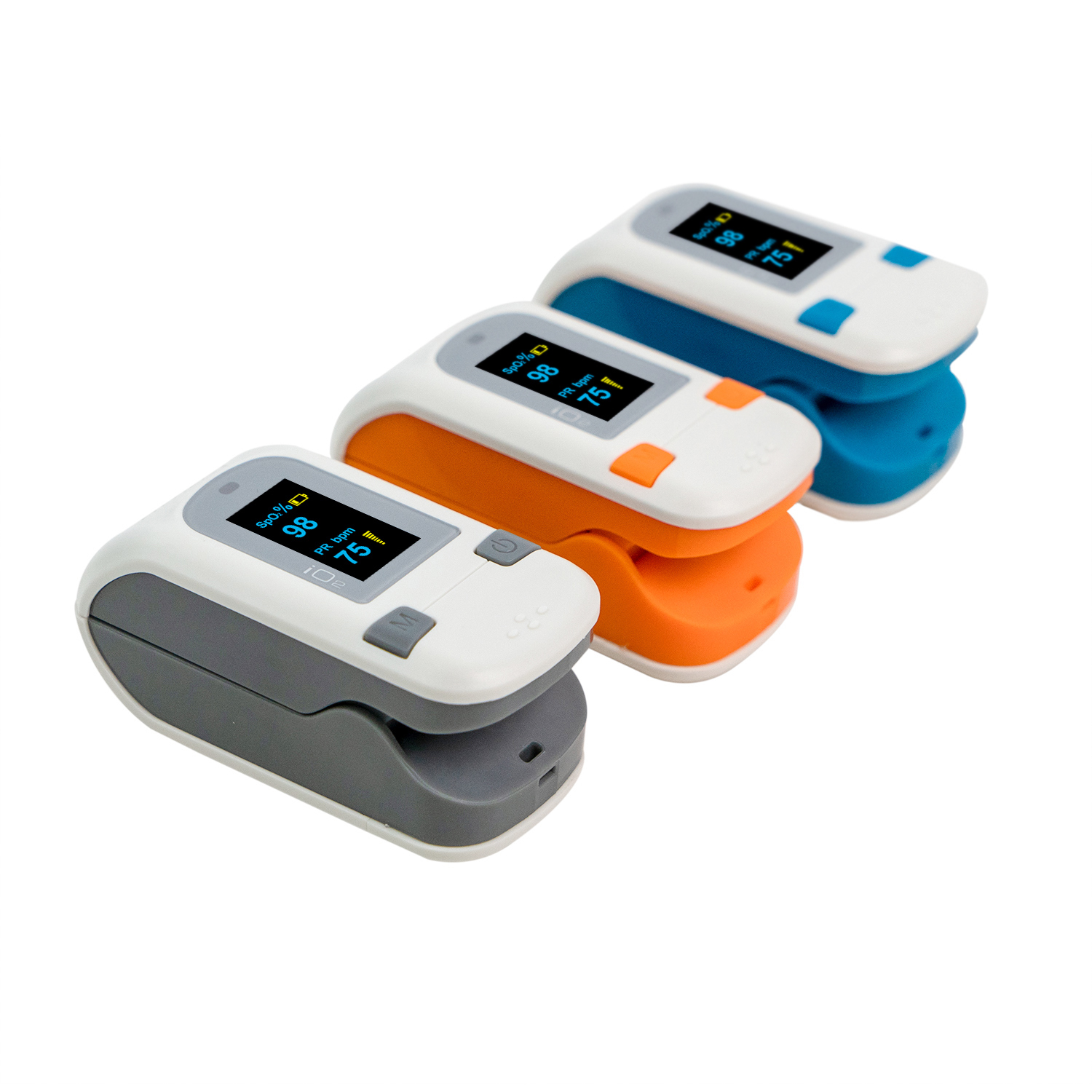
In our pursuit of a healthy life, understanding and leveraging the data from home health devices like oximeters can play a crucial role. Here are some practical suggestions on how to use oximeter data for better health in different scenarios.
Optimizing Exercise Intensity with Oxygen Saturation Data
When it comes to exercise, finding the right intensity is key. Oxygen saturation data, measured by an oximeter, can serve as a useful guide. Before starting your workout, take a baseline reading of your oxygen saturation. For most healthy individuals, a normal resting oxygen saturation level is between 95 - 100%.
During exercise, especially intense activities such as running or high - intensity interval training (HIIT), keep an eye on your oxygen saturation. If your oxygen saturation drops significantly below your baseline level, say consistently below 92%, it could be a sign that you're pushing your body too hard. This is your body's way of signaling that it's struggling to supply enough oxygen to your muscles. In such a case, it's advisable to reduce the intensity of your exercise. You can slow down your running pace or take longer breaks during HIIT sessions.
On the other hand, if your oxygen saturation remains relatively stable within the normal range during exercise, you may be able to gradually increase the intensity over time to further challenge your body and improve your fitness level.
Detecting Potential Respiratory Issues with an Oximeter for Poor Sleep Quality
Poor sleep quality can be a symptom of various underlying problems, and one of the often - overlooked culprits is respiratory issues. If you frequently wake up feeling tired, groggy, or notice that you snore loudly or have pauses in your breathing during sleep, it's time to pay attention.
Using an oximeter during sleep can provide valuable insights. A healthy person should maintain a relatively stable oxygen saturation level throughout the night, usually within the normal 95 - 100% range. However, if your oximeter shows repeated drops in oxygen saturation below 90% during sleep, it could indicate potential respiratory problems such as sleep apnea.
Sleep apnea is a condition where your breathing repeatedly stops and starts during sleep. These interruptions can lead to oxygen deprivation, which is reflected in the lower oxygen saturation readings. If you suspect you have sleep apnea based on the oximeter data, it's essential to consult a healthcare professional for a proper diagnosis and treatment, as untreated sleep apnea can increase the risk of heart problems, high blood pressure, and other health issues.
Winter Heating Safety: Early Signs of Carbon Monoxide Poisoning in Oxygen Saturation
During the winter months, as we rely on various heating methods to keep warm, the risk of carbon monoxide (CO) poisoning looms. Carbon monoxide is a colorless, odorless gas that can be extremely dangerous and even fatal.
An oximeter can offer an early indication of CO poisoning. In the early stages of carbon monoxide exposure, your body's ability to transport oxygen is compromised. While the initial symptoms might be subtle, such as mild headache, dizziness, or nausea, checking your oxygen saturation can reveal the problem.
Typically, as carbon monoxide binds to hemoglobin in your blood (preventing it from carrying oxygen effectively), your oxygen saturation level may start to decline. If you notice a sudden and unexplained drop in your oxygen saturation level, especially when you're in an enclosed space with a heating source like a gas heater or a wood - burning stove, and you also experience the aforementioned symptoms, it's crucial to immediately move to a well - ventilated area and seek medical help.
In conclusion, incorporating the use of an oximeter into our daily health routine can provide us with valuable information to optimize our exercise, safeguard our sleep, and ensure safety during the winter months. By being proactive and paying attention to these details, we can take significant steps towards a healthier life.
If you want to know more information, please click the link below: //www.chinautech.com/
Oxygen Saturation Meters: A Lifesaver in Diverse Health Scenarios
Home Health Monitoring Guide
Related Article