
What Requirements Must Portable Medical Devices Meet Before They Can Be Marketed?
author: Wendy
2025-05-07
Portable medical devices are playing an increasingly critical role in health management. Given their direct impact on users' health and safety, these devices must comply with stringent requirements before being marketed.
I. Performance and Functionality: Precision and Practicality
Precision is the cornerstone of performance. For instance, home blood glucose meters should maintain a measurement error within ±15% for fasting blood glucose and ±20% for postprandial blood glucose. Wearable electrocardiogram (ECG) devices must accurately capture ECG signals and identify abnormal waveforms. The functionality of these devices should align with specific usage scenarios. For example, portable nebulizers must atomize medications efficiently while ensuring ease of operation. Furthermore, many devices are required to incorporate data storage and wireless transmission capabilities to facilitate remote health monitoring.
Precision is the cornerstone of performance. For instance, home blood glucose meters should maintain a measurement error within ±15% for fasting blood glucose and ±20% for postprandial blood glucose. Wearable electrocardiogram (ECG) devices must accurately capture ECG signals and identify abnormal waveforms. The functionality of these devices should align with specific usage scenarios. For example, portable nebulizers must atomize medications efficiently while ensuring ease of operation. Furthermore, many devices are required to incorporate data storage and wireless transmission capabilities to facilitate remote health monitoring.
II. Safety Standards: Comprehensive Protection
1. Electrical Safety
Devices must pass rigorous tests, such as insulation resistance and withstand voltage evaluations. Enclosures should be insulated, and circuits must include overcurrent and overvoltage protection mechanisms to prevent hazards associated with electrical leakage or short circuits.
1. Electrical Safety
Devices must pass rigorous tests, such as insulation resistance and withstand voltage evaluations. Enclosures should be insulated, and circuits must include overcurrent and overvoltage protection mechanisms to prevent hazards associated with electrical leakage or short circuits.
2. Biological Safety
Materials that come into contact with the human body must meet biocompatibility standards. For example, medical-grade silicone does not induce allergic reactions. Components of reusable devices should be designed for easy disinfection, adhering to standards such as high-temperature and high-pressure sterilization, to prevent cross-infection.
Materials that come into contact with the human body must meet biocompatibility standards. For example, medical-grade silicone does not induce allergic reactions. Components of reusable devices should be designed for easy disinfection, adhering to standards such as high-temperature and high-pressure sterilization, to prevent cross-infection.
3. Mechanical Safety
The structural design of devices should ensure robustness and user comfort. For instance, frames of portable wheelchairs are constructed from high-strength aluminum alloys with rounded edges. Blood pressure monitor cuffs exhibit good elasticity and breathability to enhance user experience.
The structural design of devices should ensure robustness and user comfort. For instance, frames of portable wheelchairs are constructed from high-strength aluminum alloys with rounded edges. Blood pressure monitor cuffs exhibit good elasticity and breathability to enhance user experience.
III. Regulatory Certifications: Compliance for Market Entry
1. Registration and Approval
Regulatory processes vary by region. In China, enterprises must submit technical specifications and other documentation to the National Medical Products Administration (NMPA) to obtain a registration certificate. In the United States, the Food and Drug Administration (FDA) categorizes devices based on risk levels. High-risk devices, such as cardiac pacemakers, require pre-market approval, necessitating enterprises to provide comprehensive data on safety and efficacy.
1. Registration and Approval
Regulatory processes vary by region. In China, enterprises must submit technical specifications and other documentation to the National Medical Products Administration (NMPA) to obtain a registration certificate. In the United States, the Food and Drug Administration (FDA) categorizes devices based on risk levels. High-risk devices, such as cardiac pacemakers, require pre-market approval, necessitating enterprises to provide comprehensive data on safety and efficacy.
2. Quality Management System Certification
Enterprises achieving ISO 13485 certification have implemented a robust quality management system encompassing the entire product lifecycle, from raw material procurement review to production process monitoring, thereby ensuring consistent product quality.
Enterprises achieving ISO 13485 certification have implemented a robust quality management system encompassing the entire product lifecycle, from raw material procurement review to production process monitoring, thereby ensuring consistent product quality.
3. Label and Instruction Manual Specifications
Labels must clearly indicate essential information, and instruction manuals should comprehensively detail the target population, usage methods, precautions, and other relevant considerations. For example, instruction manuals for home oxygen concentrators should explicitly state environmental requirements and emergency response protocols.
Labels must clearly indicate essential information, and instruction manuals should comprehensively detail the target population, usage methods, precautions, and other relevant considerations. For example, instruction manuals for home oxygen concentrators should explicitly state environmental requirements and emergency response protocols.
IV. Environmental Adaptability: Coping with Complex Scenarios
Devices must demonstrate adaptability across a temperature range of 5°C to 40°C and a humidity range of 30% to 80%. For instance, outdoor ECG machines should exhibit resistance to dust, sand, rain, extreme temperatures, and electromagnetic interference to avoid disruption from mobile phones, microwave ovens, or similar devices.
Devices must demonstrate adaptability across a temperature range of 5°C to 40°C and a humidity range of 30% to 80%. For instance, outdoor ECG machines should exhibit resistance to dust, sand, rain, extreme temperatures, and electromagnetic interference to avoid disruption from mobile phones, microwave ovens, or similar devices.
These stringent requirements ensure the safety, reliability, and effectiveness of portable medical devices. Consumers are advised to verify relevant certifications and qualifications prior to purchase.


UTECH is a trustworthy enterprise with ISO13485 and CE certification.
If you want to know more information, please click the link below: //www.chinautech.com/
Summer Health Defense: A Practical Guide to Portable Pulse Oximeters and Patient Monitors
Breaking through boundaries, unlocking infinite possibilities for product innovation
Related Article
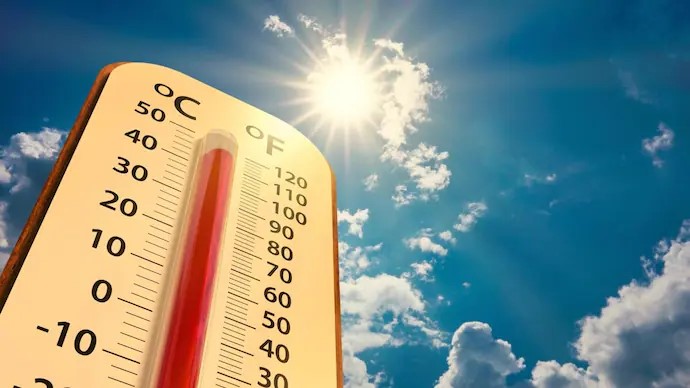
Discover how summer heat affects the body and learn the difference between being overheated and having a fever. This guide provides practical tips on how to correctly measure body temperature in hot weather and highlights the features of UTECH Medical’s UTM10 infrared thermometer, including its one-second, non-contact measurement, 30-reading memory, and reliable accuracy for home and public safety.
Too Hot? Check Your Temperature the Right Way This Summer

Learn key facts about Marburg virus disease (MVD), a rare but severe hemorrhagic fever caused by a Filoviridae RNA virus. Discover how the virus spreads from Egyptian rousette bats to humans, its initial symptoms—including high fever, bleeding, and organ failure—and current laboratory diagnosis methods like RT-PCR. Explore supportive care treatments, prevention strategies
Marburg virus disease
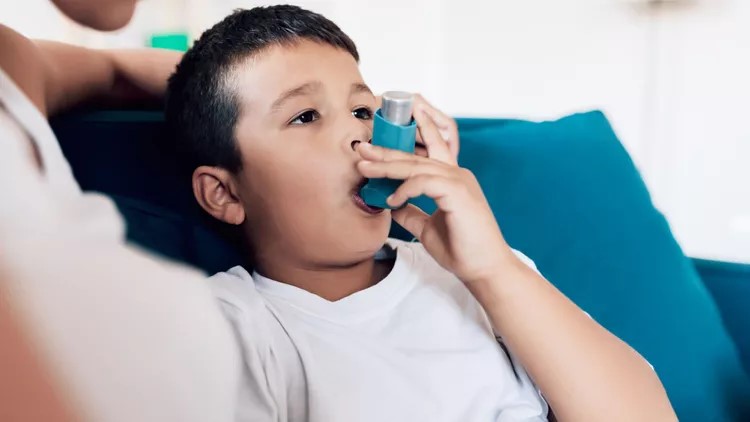
Can asthma go away? Learn about asthma remission, genetic factors, symptoms, asthma cough, and the warning signs of life-threatening status asthmaticus.
Can Asthma Go Away Completely?
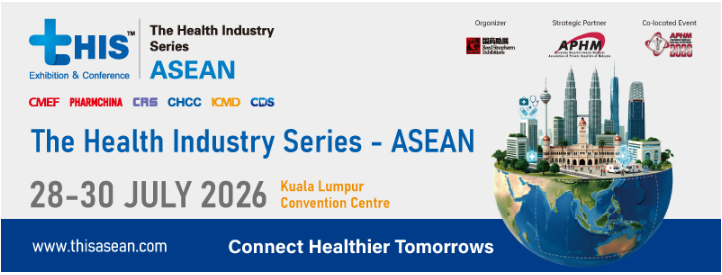
Explore tHIS ASEAN 2026, Southeast Asia’s leading healthcare exhibition connecting global medical technology providers with regional distributors, hospitals, and healthcare professionals. Discover ASEAN healthcare market growth, medical device opportunities, patient monitoring systems, pulse oximeters, AI healthcare, remote patient monitoring, and emerging trends shaping the future of healthcare across Southeast Asia.
tHIS ASEAN 2026: Southeast Asia Healthcare Exhibition and Medical Device Opportunities