
Photoplethysmography: The Magic Technology That "Listens" to the Rhythms of Life with Light
author: Wendy
2025-04-27
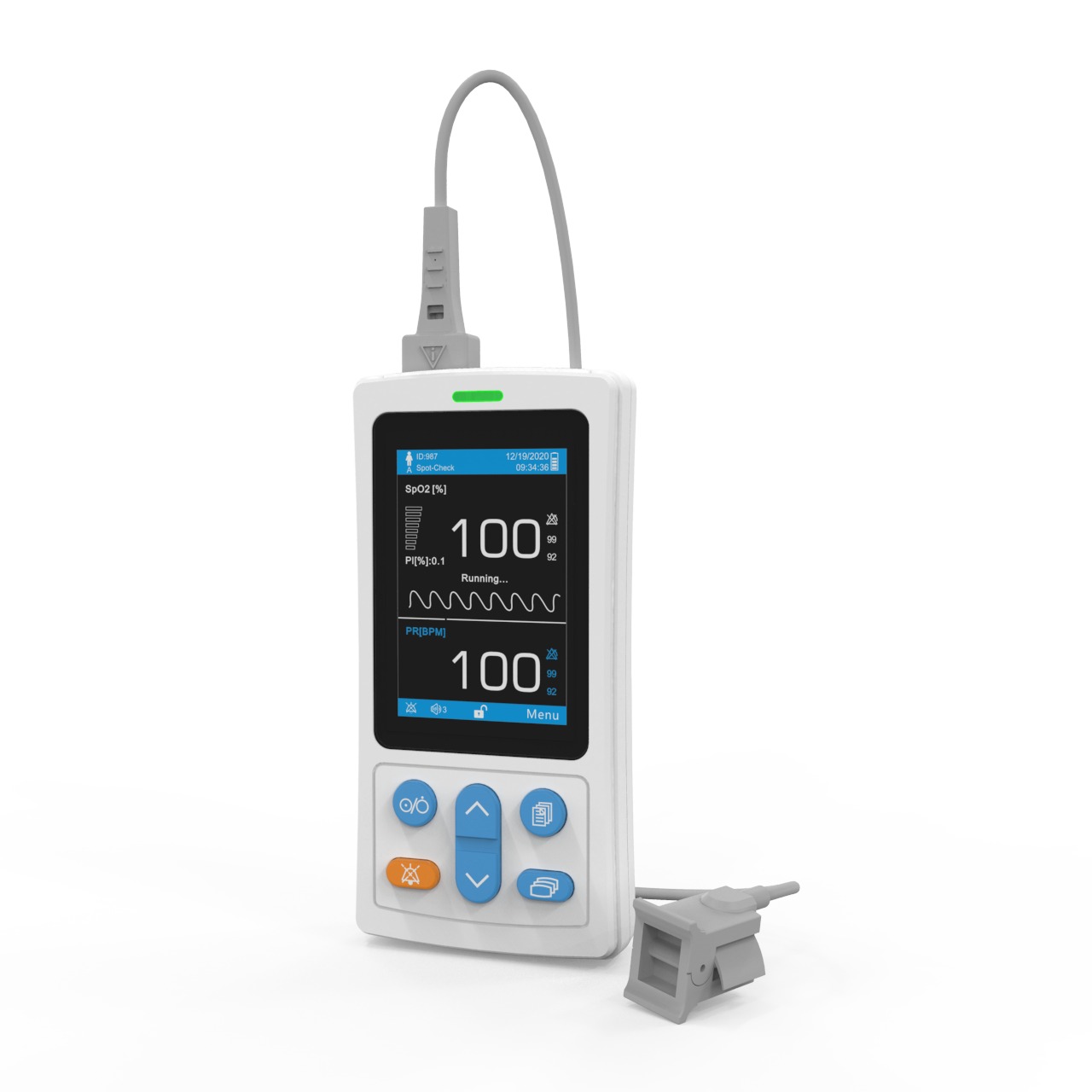
When you place your finger in a pulse oximeter or when your smartwatch automatically records your heart rate, a technology known as Photoplethysmography (PPG for short) is at work behind the scenes. This seemingly simple yet ingenious technology is quietly transforming the way modern medical monitoring and health management are conducted. Let's delve into the mysteries of this technology together.
What is photoplethysmography
Photoplethysmography is a biomedical technique that uses optical means to non-invasively detect changes in blood volume. Simply put, it involves shining light onto skin tissue and then measuring the changes in reflected or transmitted light signals to obtain physiological information related to blood circulation.
"Photo" stands for light, "plethysmo" comes from the Greek word "plethysmos" meaning "increase", and "graphy" indicates "recording" - together, it means "recording volume changes with light".
Working Principle: The "Dialogue" Between Light and Blood
The core principle of PPG technology is based on two key phenomena:
- The light absorption characteristics of blood: Blood (especially hemoglobin) has specific absorption patterns for light of different wavelengths.
- The volume changes caused by the heart's pumping of blood: With each heartbeat, the blood flow in the blood vessels shows periodic changes.
When light is exposed to skin tissue:
- Some of the light is absorbed by the tissue.
- Some of the light is scattered.
- The remaining part is reflected or transmitted (depending on the measurement method).
Blood absorbs more light than the surrounding tissues, especially when the ratio of oxygenated hemoglobin to deoxygenated hemoglobin in the blood changes, the absorption characteristics will also change accordingly. The photoelectric sensor captures these subtle changes in light intensity, which can indirectly reflect the dynamic information of blood flow.
Two basic measurement modes
The PPG technology mainly has two working modes:
Transmissive PPG:
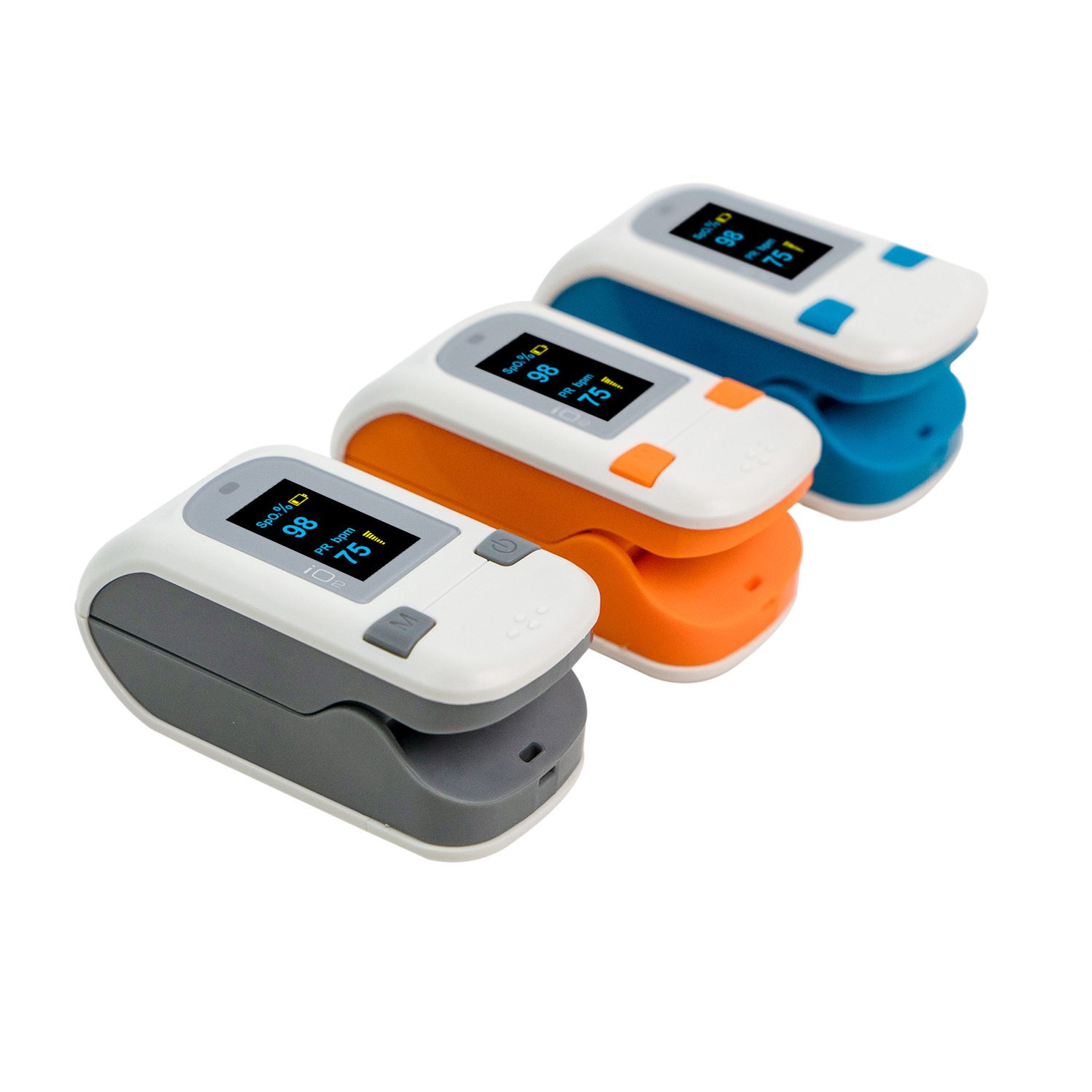
- Commonly found in fingertip pulse oximeters.
- The light source and detector are respectively located on both sides of the tissue.
- Measure the changes in the intensity of light transmitted through tissue.
- The signal quality is usually good.
Reflective PPG:
- Commonly found in smartwatches and ear clip devices.
- The light source and the detector are on the same side.
- Measure the changes in the intensity of the reflected light.
- More flexible and applicable to more body parts.
Rich Information in PPG Waveforms
A typical PPG waveform contains the following characteristic parts:
- The AC component: The rapidly changing part that is synchronized with the heartbeat, reflecting the pulsatile changes in arterial blood volume.
- DC component: Slowly varying baseline, reflecting the absorption of light by tissue, venous blood, and non-pulsatile arterial blood.
By analyzing the PPG waveform, various physiological parameters can be obtained:
- Heart rate: calculated by measuring the intervals between peaks
- Blood oxygen saturation: by comparing the absorption ratios of light at different wavelengths
- Blood pressure trend: Through the analysis of waveform characteristics and pulse wave transit time
- Vascular elasticity: by observing the waveform morphology
- Respiratory rate: by monitoring the low-frequency fluctuations caused by breathing
Clinical Application and Health Monitoring
PPG technology has extensive applications in the medical and health fields:
1.Clinical medical care:
- Patient monitoring during surgery
- Neonatal care
- Sleep apnea screening
- Vascular function assessment
2.Health wearable devices:
- Heart rate monitoring of smartwatches
- Motion state tracking
- Assessment of stress levels
- Sleep Quality Analysis
3.Emerging applications:
- Detection of atrial fibrillation
- Blood pressure trend monitoring
- Warning of insufficient blood volume
- Evaluation of Autonomic Nervous System Function
Technical Advantages and Limitations
1.Advantages:
- Completely non-invasive and comfortable to use.
- Simple operation, no professional skills required.
- The cost is relatively low.
- Suitable for long-term continuous monitoring
- Great potential for miniaturization
2.Limitations:
- Susceptible to motion artifacts interference
- Measurement accuracy is affected by skin characteristics and measurement location.
- Usually, only relative change information can be provided.
- The degree of standardization among different devices needs to be improved.
Future Outlook: A Health Revolution from Medical to Daily Life
With the development of sensor technology, artificial intelligence, and the Internet of Things, PPG technology is moving from professional medical settings to daily life. In the future, we may witness:
With the development of sensor technology, artificial intelligence, and the Internet of Things, PPG technology is moving from professional medical settings to daily life. In the future, we may witness:
- More accurate non-invasive blood glucose monitoring
- Emotion state recognition
- Early disease warning system
- Personalized health guidance
- Remote medical monitoring network
Conclusion: The Wisdom of Technology Revealed in Light
Photoplethysmography perfectly embodies the idea that "the simplest is often the wisest." With just a beam of light and sophisticated signal processing, we can "see" the flow of blood and "hear" the rhythm of the heartbeat. This technology not only provides an important tool for clinicians but also enables ordinary people to more conveniently understand their own physical conditions.

If you want to know more information, please click the link below: //www.chinautech.com/
The Five Benefits of Patient Monitors Equipped with 4G Modules: A New Era in Medical Monitoring
Pulse Oximeter Simulator: A Critical Tool for Medical Device Testing
Related Article

Discover how summer heat affects the body and learn the difference between being overheated and having a fever. This guide provides practical tips on how to correctly measure body temperature in hot weather and highlights the features of UTECH Medical’s UTM10 infrared thermometer, including its one-second, non-contact measurement, 30-reading memory, and reliable accuracy for home and public safety.
Too Hot? Check Your Temperature the Right Way This Summer

Learn key facts about Marburg virus disease (MVD), a rare but severe hemorrhagic fever caused by a Filoviridae RNA virus. Discover how the virus spreads from Egyptian rousette bats to humans, its initial symptoms—including high fever, bleeding, and organ failure—and current laboratory diagnosis methods like RT-PCR. Explore supportive care treatments, prevention strategies
Marburg virus disease

Can asthma go away? Learn about asthma remission, genetic factors, symptoms, asthma cough, and the warning signs of life-threatening status asthmaticus.
Can Asthma Go Away Completely?

Explore tHIS ASEAN 2026, Southeast Asia’s leading healthcare exhibition connecting global medical technology providers with regional distributors, hospitals, and healthcare professionals. Discover ASEAN healthcare market growth, medical device opportunities, patient monitoring systems, pulse oximeters, AI healthcare, remote patient monitoring, and emerging trends shaping the future of healthcare across Southeast Asia.
tHIS ASEAN 2026: Southeast Asia Healthcare Exhibition and Medical Device Opportunities