
Human sign monitoring in high temperature conditions: a key line of defense to protect health
author: Wendy
2025-04-15
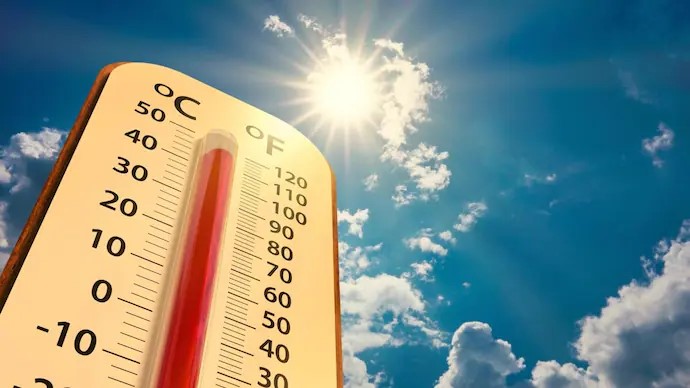
With global warming, extreme high-temperature weather is increasingly frequent in our lives. High temperatures not only affect our daily activities but also pose a serious threat to human health. In this situation, effective monitoring of human vital signs has become a key means to ensure people's safety and health in high-temperature environments.

High-temperature environments can cause a series of complex physiological changes in the human body. When the external temperature keeps rising, the body initiates a heat dissipation mechanism to maintain the relative stability of core body temperature. The skin blood vessels dilate, allowing more blood to flow to the surface of the body, and heat is dissipated through radiation, conduction, convection, and evaporation. This is why our skin often turns red in high temperatures. At the same time, the activity of sweat glands significantly increases, and sweating becomes an important way of heat dissipation. However, this process is also accompanied by a large loss of water and electrolytes in the body. If not replenished in time, it may lead to dehydration and electrolyte imbalance.
From the perspective of vital sign data, body temperature is undoubtedly the most intuitive indicator reflecting the state of the human body in high-temperature environments. Under normal circumstances, the core body temperature of the human body is maintained between 36.5℃ and 37.5℃. However, in high-temperature environments, the body's temperature regulation mechanism faces huge challenges, and body temperature may rise rapidly. Once the body temperature exceeds 38℃, it enters a fever state, at which point the body's metabolism accelerates and the body burden increases. When the body temperature reaches 39℃ or higher, the risk of heatstroke significantly increases, and symptoms such as dizziness, fatigue, nausea, and vomiting may occur. In severe cases, it may even endanger life. Therefore, real-time monitoring of body temperature and taking cooling measures promptly once an abnormal increase in body temperature is detected is of crucial importance.
Heart rate is another vital sign that needs to be closely monitored in high-temperature conditions. To meet the heat dissipation needs, the heart has to work harder and increase cardiac output, which leads to an increase in heart rate. Generally, the normal heart rate range for adults at rest is 60 - 100 beats per minute. In high-temperature environments, the heart rate may rise to 100 - 120 beats per minute or even higher. Persistent rapid heart rate increases the burden on the heart, and long-term exposure to such a state may cause damage to heart function. Moreover, abnormal changes in heart rate are often early signals of problems in the body, such as when dehydration leads to a reduction in blood volume, the heart will increase its beats to maintain blood circulation.
Respiratory rate is also affected by high temperatures. As body temperature rises, the respiratory center is stimulated, and the respiratory rate increases to meet the increased demand for oxygen and expel more carbon dioxide. The normal respiratory rate for adults at rest is about 12 - 20 breaths per minute, and it may rise to 20 - 30 breaths per minute in high-temperature environments. Rapid and shallow breathing may lead to respiratory alkalosis and other problems, further affecting the body's acid-base balance.

In high temperature conditions, effective monitoring of human signs is a key part of the prevention of heat stroke and other heat-related diseases. UTECH produces a variety of models of vital signs monitors, which can help you detect changes in important sign data such as body temperature, heart rate, respiratory rate, etc., timely understand the state of the body in a high temperature environment, and take corresponding measures to adjust and protect yourself to protect your health and safety.
Whether it is in daily life or in special scenarios such as high-temperature work, we should pay attention to physical sign monitoring, so that scientific data can escort our health in high-temperature environments.
If you want to learn more information about your health, you can check the links below://www.chinautech.com/
Protecting the Health of Our Furry Friends: The Importance of Veterinary Patient Monitors
Key Points for Using Patient Monitors: Essential Steps to Ensure Patient Safety
Related Article
Discover how summer heat affects the body and learn the difference between being overheated and having a fever. This guide provides practical tips on how to correctly measure body temperature in hot weather and highlights the features of UTECH Medical’s UTM10 infrared thermometer, including its one-second, non-contact measurement, 30-reading memory, and reliable accuracy for home and public safety.
Too Hot? Check Your Temperature the Right Way This Summer

Learn key facts about Marburg virus disease (MVD), a rare but severe hemorrhagic fever caused by a Filoviridae RNA virus. Discover how the virus spreads from Egyptian rousette bats to humans, its initial symptoms—including high fever, bleeding, and organ failure—and current laboratory diagnosis methods like RT-PCR. Explore supportive care treatments, prevention strategies
Marburg virus disease

Can asthma go away? Learn about asthma remission, genetic factors, symptoms, asthma cough, and the warning signs of life-threatening status asthmaticus.
Can Asthma Go Away Completely?

Explore tHIS ASEAN 2026, Southeast Asia’s leading healthcare exhibition connecting global medical technology providers with regional distributors, hospitals, and healthcare professionals. Discover ASEAN healthcare market growth, medical device opportunities, patient monitoring systems, pulse oximeters, AI healthcare, remote patient monitoring, and emerging trends shaping the future of healthcare across Southeast Asia.
tHIS ASEAN 2026: Southeast Asia Healthcare Exhibition and Medical Device Opportunities