
Unlock the Health Code: A Deep Dive into Pulse Oximeters
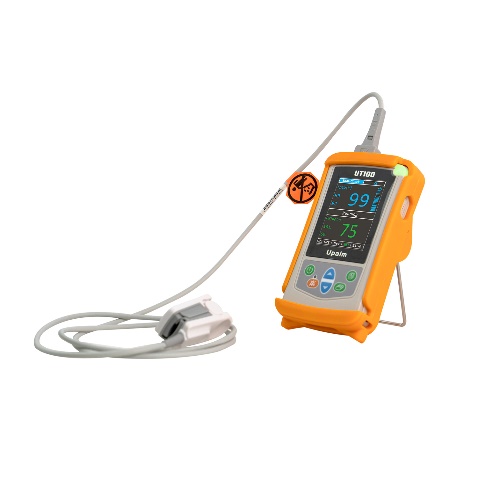
In an era of growing health awareness, home medical devices have entered the lives of the public. Among them, the pulse oximeter stands out as a practical health monitoring tool. Let's take a closer look at this instrument.
Working Principle
Pulse oximeters operate based on the principle of spectrophotometry. They emit two different wavelengths of light: red light and infrared light. When these two types of light pass through blood vessels, the intensity of the light changes due to the different absorption characteristics of oxygenated hemoglobin and reduced hemoglobin. Using sophisticated algorithms and sensors inside the device, the pulse oximeter can quickly calculate the body's blood oxygen saturation and pulse rate based on these changes in light intensity.
Interpretation of Key Data
Blood oxygen saturation is one of the important indicators of human health. It reflects the degree of oxygen and hemoglobin in the blood. Normal blood oxygen saturation usually ranges from 95% to 100%. Any value below this range may indicate potential health problems, such as lung diseases, heart diseases, or other diseases that affect oxygen supply.
Applicable Populations
Patients with respiratory diseases like asthma or emphysema, who have impaired lung function and are prone to hypoxia, can use a pulse oximeter to measure blood oxygen regularly. This enables them to receive oxygen in a timely manner if the value is low and report to the doctor, which helps adjust the treatment plan. Similarly, patients with sleep apnea syndrome, who experience drops in blood oxygen during sleep due to apnea episodes, can use a pulse oximeter to monitor nocturnal blood oxygen changes. This provides crucial data for doctors to diagnose the condition and develop a treatment plan, such as prescribing a ventilator.

Choosing the Right Pulse Oximeter
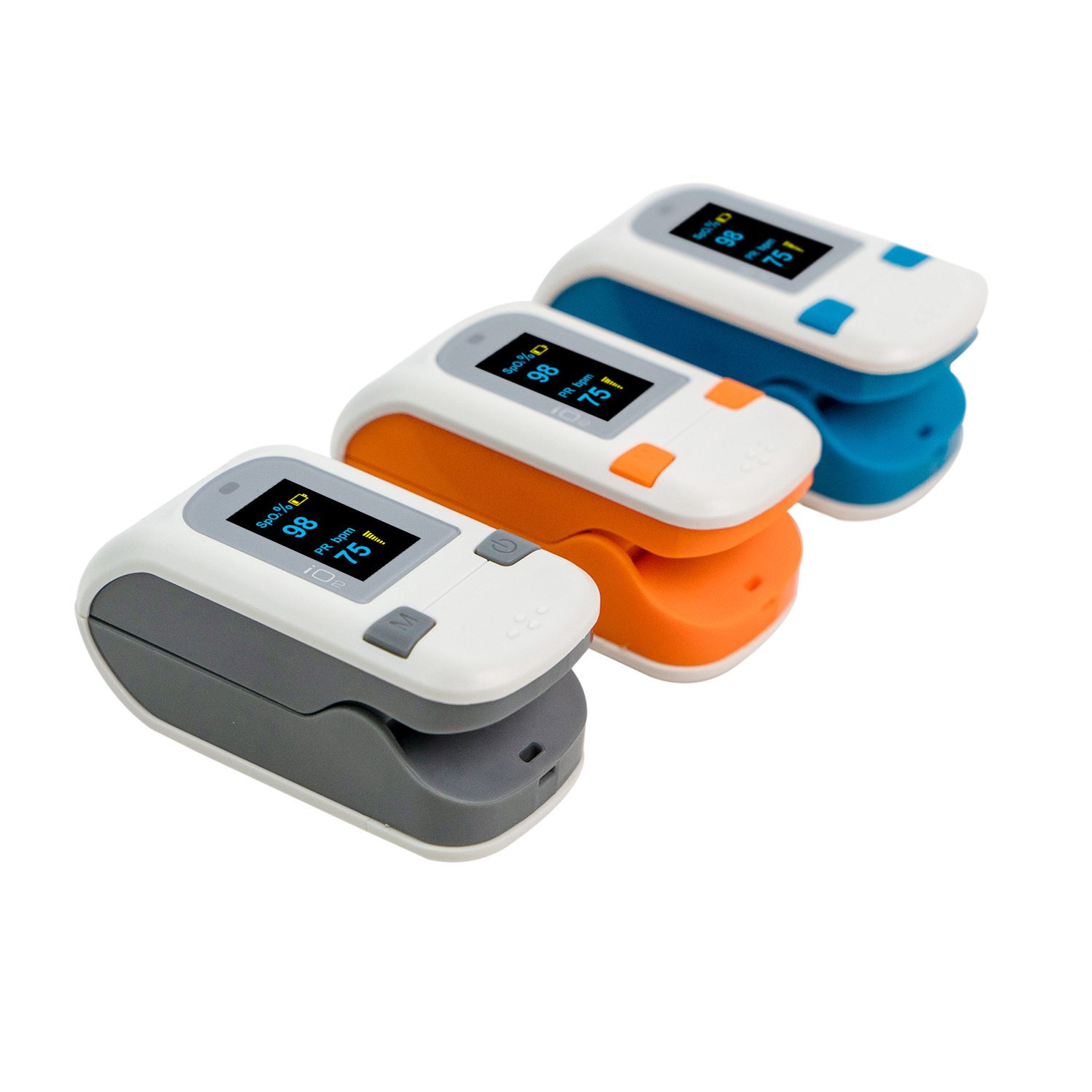
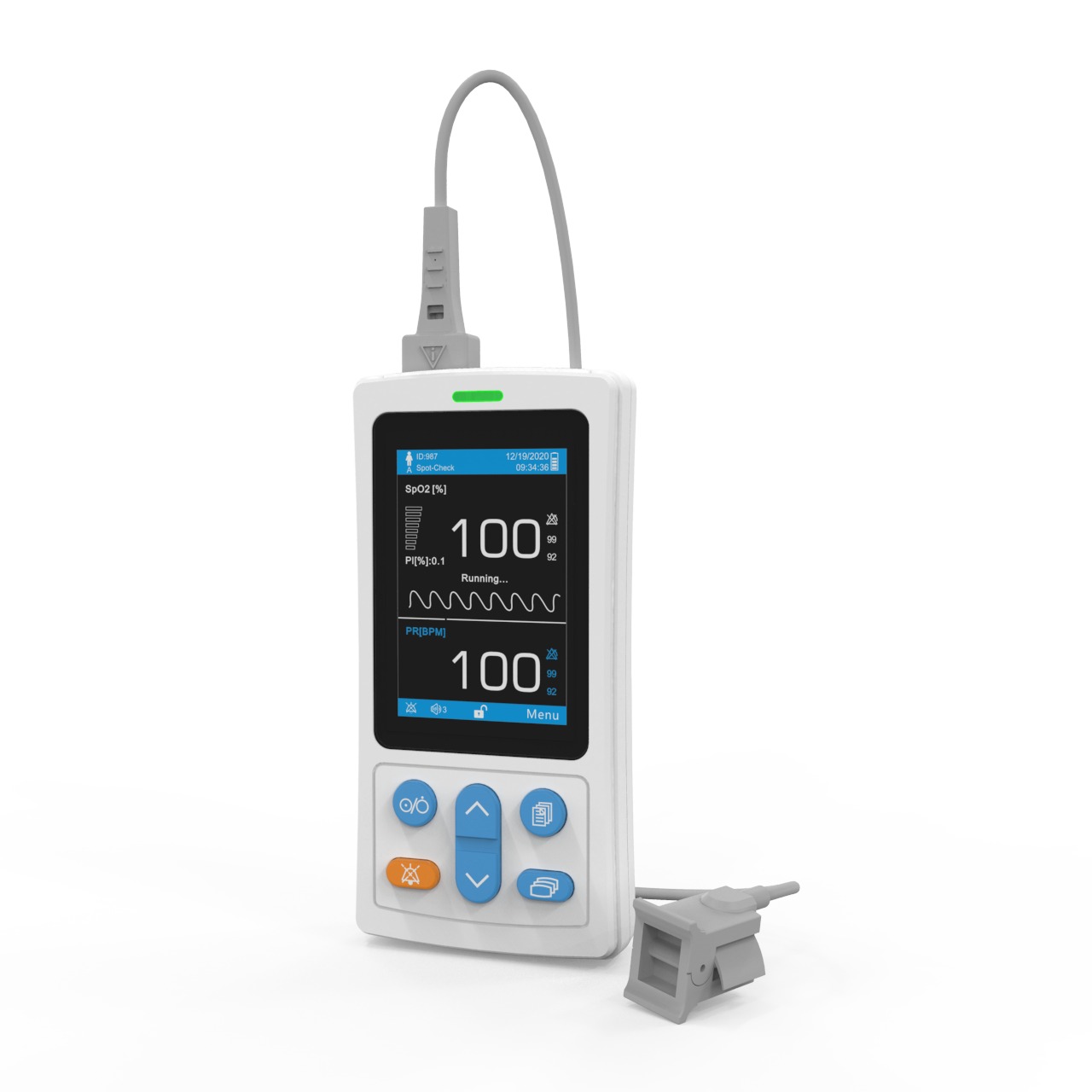
Opt for a highly accurate oximeter, with an accuracy of ±2% or better. Look for devices clinically tested and approved by relevant medical authorities like the FDA. Some oximeters have extra features. A large, easy - to - read display suits those with poor eyesight. Memory - enabled models can store readings for trend - tracking. Advanced ones with wireless connectivity can sync data with smartphones or medical systems. If for on - the - go use, choose a portable and lightweight model. Also, consider long - lasting battery life to avoid frequent recharging.
The pulse oximeter is convenient and practical, helping us understand our physical condition. Whether you are an ordinary person concerned about health or a patient in need of long - term monitoring, using a pulse oximeter rationally and paying attention to blood oxygen and pulse data can contribute to a healthier life.
For pre-show appointments or product inquiries, contact: service@chinautech.com
If you want to know more information, please click the link below: //www.chinautech.com/
Coping with Sudden Weather Changes: Key Measures and Device Support for Protecting Health
Home medical equipment purchase guide: protect health, scientific purchase
Related Article