
Safe, Normal, Low Blood Oxygen Levels: Pulse Oximeter Chart
Why Your Blood Oxygen Saturation Matters?
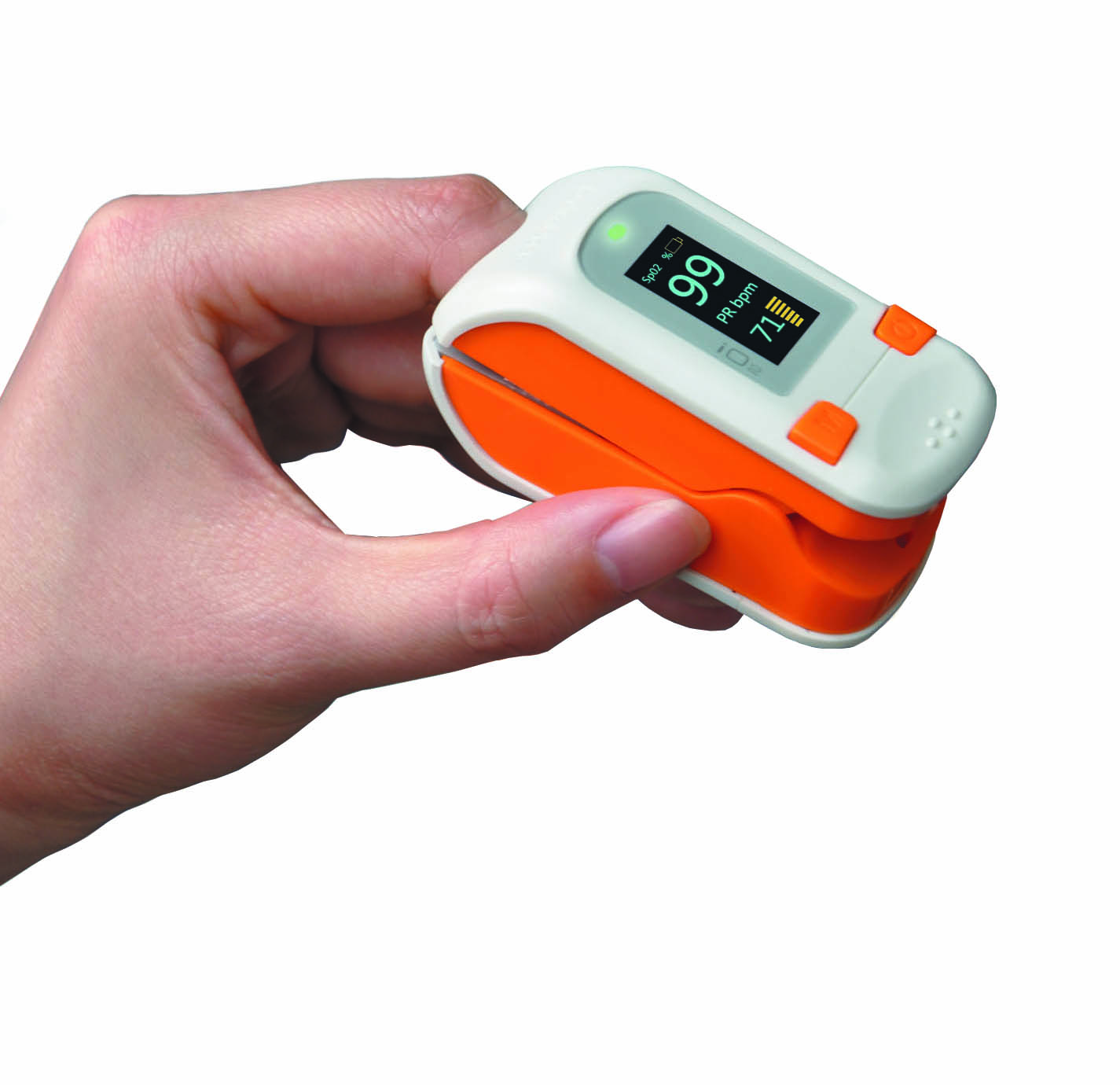
Blood Oxygen Levels: Chart
Oxygen levels are measured according to the percentage of oxygen saturated in your blood. This is called your SpO2 level.
Normal Blood Oxygen Levels
For medical purposes, a normal blood oxygen saturation rate is often considered between 95% and 100%. However, you may not experience any symptoms if your percentage is lower.
'Concerning' Blood Oxygen Levels
Oxygen concentrations between 91% and 95% may indicate a medical problem. People in this situation should contact their healthcare provider.
Low Blood Oxygen Levels
The medical definition of a low blood oxygen rate is any percentage below 90% oxygen saturation. Oxygen saturation below 90% is very concerning and indicates an emergency. Call 911 immediately if you or someone you know experiences such a low blood oxygen level.
When Low Oxygen Saturation Affects Your Brain
By the time your oxygen saturation has fallen to between 80% and 85%, your brain may be affected by the lack of oxygen. You may also experience vision changes.
Cyanosis
The first visible symptoms of low blood oxygen, cyanosis causes a blue tinge to develop on your skin, particularly around your mouth and lips and beneath your fingernail matrix. This change occurs when your blood oxygen saturation reaches approximately 67%.

Hypoxemia: Symptoms of Low Blood Oxygen Levels
Low blood oxygen cases often have few or no symptoms ("silent hypoxemia"). That is sometimes even true in serious cases of hypoxemia. Some people with low blood oxygen seem well. This is why if you have reason to suspect your oxygen saturation is low, it's helpful to have a pulse oximeter. As your oxygen saturation declines, you may begin to notice some of the following symptoms:
- Shortness of breath
- Rapid breathing
- Feeling too unwell to do daily activities

What Causes Low Blood Oxygen?
Many things can cause low blood oxygen. When your body has difficulty delivering enough oxygen to your blood, any of these conditions may contribute:
- Heart conditions and heart defects
- Asthma, emphysema, COPD, and other lung conditions
- High altitudes
- Powerful pain medicines that can slow your breathing
- Sleep apnea

How Is Blood Oxygen Measured?

Working Principle of Anesthesia Workstation
Patients With Long-COVID Show Abnormal Lung Perfusion Despite Normal CT Scans
Related Article