
The Introduction of NIBP Measurement
author: Claudia
2023-11-30
|
Today I will introduce the correct method of NIBP measurement, I hope you can follow these measurement steps and some precautions, through the correct operation to get the accurate measurement results of NIBP.
1. Procedures for NIBP Mesurement
a. Patient type must be confirmed before measurement.
Incorrect settings will endanger patient safety, as higher adult settings are not suitable for children and neonates;
b. Choose the right cuff and tie the cuff.
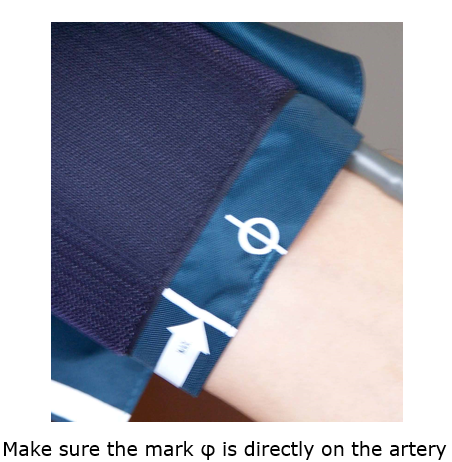
Firstly, make sure the cuff is fully deflated and then tie it around the patient's upper arm or thigh. Next, place the cuff on the patient's upper arm or thigh and make sure the mark φ is directly on the artery. And then, make sure the cuff is not too tight around the limb, otherwise it may cause limb discoloration or even ischemia. The edge of the cuff should be located within the scope of the logo, otherwise it indicates that the cuff's size is inappropriate and needs to be replaced. c. Press the NIBP Start button to start the measurement.
  2. Inappropriate Situations to Monitor NIBP
NIBP monitoring is not appropriate in the following situations:
a. Severe hypertension: systolic blood pressure of more than 250mmHg, can not completely block blood flow. The cuff may continue to inflate, so it can not measure blood pressure;
b. Severe hypotension: systolic blood pressure is less than 50-60mmHg, and automatic pressure measurement takes a certain amount of time (2 minutes), so blood pressure is too low to continuously display momentary blood pressure changes, and it may be repeatedly inflated;
c. Patients with sudden rise and fall in blood pressure;
d. Heart surgery and all kinds of critical ill patients.
If you want to learn more detail information about NIBP patient monitors, please review these links below:
PM6800 patient monitor: https://www.chinautech.com/products/pm6800-patient monitor.html (chinautech.com)
UM2012 patient monitor: https://www.chinautech.com/um2012-patient-monitor.html (chinautech.com)
|
Some problems and solutions encountered in ECG monitoring
Exchange of Oxygen and Carbon Dioxide
Related Article

Discover how summer heat affects the body and learn the difference between being overheated and having a fever. This guide provides practical tips on how to correctly measure body temperature in hot weather and highlights the features of UTECH Medical’s UTM10 infrared thermometer, including its one-second, non-contact measurement, 30-reading memory, and reliable accuracy for home and public safety.
Too Hot? Check Your Temperature the Right Way This Summer

Learn key facts about Marburg virus disease (MVD), a rare but severe hemorrhagic fever caused by a Filoviridae RNA virus. Discover how the virus spreads from Egyptian rousette bats to humans, its initial symptoms—including high fever, bleeding, and organ failure—and current laboratory diagnosis methods like RT-PCR. Explore supportive care treatments, prevention strategies
Marburg virus disease

Can asthma go away? Learn about asthma remission, genetic factors, symptoms, asthma cough, and the warning signs of life-threatening status asthmaticus.
Can Asthma Go Away Completely?

Explore tHIS ASEAN 2026, Southeast Asia’s leading healthcare exhibition connecting global medical technology providers with regional distributors, hospitals, and healthcare professionals. Discover ASEAN healthcare market growth, medical device opportunities, patient monitoring systems, pulse oximeters, AI healthcare, remote patient monitoring, and emerging trends shaping the future of healthcare across Southeast Asia.
tHIS ASEAN 2026: Southeast Asia Healthcare Exhibition and Medical Device Opportunities