
What is Mycoplasma Pneumonia?
author: Myra
2023-12-01
|
1.What is Mycoplasma Pneumoniae?
Mycoplasma is one of the smallest and simplest prokaryotes ever discovered. Mycoplasma is the smallest microorganism that can survive independently and is an atypical pathogen. Mycoplasma pneumoniae is one of the subtypes, which mainly invade the respiratory system, and 10%-40% of children will cause pneumonia after infection. Mycoplasma pneumoniae is neither a bacterium nor a virus, it can not be detected by ordinary blood routine, and routine "penicillin" and "cephalosporin" treatment is also ineffective.  2.How is Mycoplasma Pneumonia Spread?
The population is generally susceptible to mycoplasma pneumoniae. Mycoplasma pneumonia is one of the most important community-acquired pneumonia in children aged 5 years and older, and is a common respiratory infectious disease. In recent years, the proportion of young children has increased, and infants under 3 years old have also been infected. Mycoplasma pneumoniae is mainly transmitted through respiratory droplets, and can carry the pathogen in the secretions of coughing, sneezing, and runny nose. Mycoplasma pneumoniae infection patients, asymptomatic infected patients, is the main source of infection. The disease has an incubation period of 1-3 weeks and is contagious during the incubation period until symptoms resolve for several weeks. 3.What are the Symptoms after Infection?
The main clinical manifestations of the disease are fever and cough, accompanied by headache, runny nose, sore throat and earache. Among them, the fever is mainly medium and high fever, and continuous high fever indicates serious illness. Cough is more intense, the initial cough is paroxysmal, irritant dry cough, with the progress of the disease will appear cough sputum, some symptoms of serious children will appear wheezing, dyspnea, cyanosis and other manifestations. Infection with mycoplasma pneumoniae does not necessarily cause pneumonia, only mycoplasma pneumoniae invade the lower respiratory tract, may appear mycoplasma pneumonia.  4.Can Mycoplasma Pneumonia be Prevented?
a. Do not go to crowded, poorly ventilated public places, wear a mask when necessary.
b. Cover your mouth and nose with a tissue when coughing or sneezing and throw the used tissue in the trash.
c. Good hand hygiene, wash hands frequently with soap, hand sanitizer under running water.
d. Pay attention to indoor ventilation, ventilation for not less than 30 minutes at a time to keep the air fresh.
e. Do a good job of hygiene, sheets and quilts are often washed and dried in the sun.
f. Eat a balanced diet, get enough sleep, strengthen physical exercise, build up physique and improve resistance.
g. Schools, kindergartens and other places should be well ventilated and disinfected to avoid cluster infection.
5.Pulse Oximeter Can Help You.
In the case of mycoplasma pneumonia, portable pulse oximeter can be used to understand the severity of the disease, which can help us determine whether to go to the hospital in time.
If you want to know more about pulse oximeter,please visit: Pulse Oximeter Manufacturer UTECH Medical (chinautech.com)
|
What are the Differences between the Infusion Pump and the Syringe Pump?
The Factors of Inaccuracy of Each Parameter Detection
Related Article
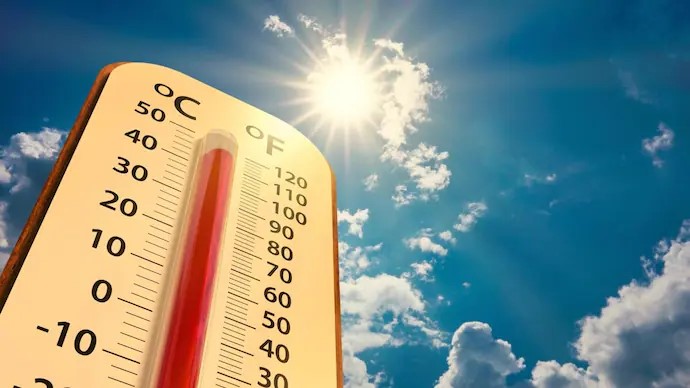
Discover how summer heat affects the body and learn the difference between being overheated and having a fever. This guide provides practical tips on how to correctly measure body temperature in hot weather and highlights the features of UTECH Medical’s UTM10 infrared thermometer, including its one-second, non-contact measurement, 30-reading memory, and reliable accuracy for home and public safety.
Too Hot? Check Your Temperature the Right Way This Summer

Learn key facts about Marburg virus disease (MVD), a rare but severe hemorrhagic fever caused by a Filoviridae RNA virus. Discover how the virus spreads from Egyptian rousette bats to humans, its initial symptoms—including high fever, bleeding, and organ failure—and current laboratory diagnosis methods like RT-PCR. Explore supportive care treatments, prevention strategies
Marburg virus disease

Can asthma go away? Learn about asthma remission, genetic factors, symptoms, asthma cough, and the warning signs of life-threatening status asthmaticus.
Can Asthma Go Away Completely?

Explore tHIS ASEAN 2026, Southeast Asia’s leading healthcare exhibition connecting global medical technology providers with regional distributors, hospitals, and healthcare professionals. Discover ASEAN healthcare market growth, medical device opportunities, patient monitoring systems, pulse oximeters, AI healthcare, remote patient monitoring, and emerging trends shaping the future of healthcare across Southeast Asia.
tHIS ASEAN 2026: Southeast Asia Healthcare Exhibition and Medical Device Opportunities