
The "Hidden Alarm" in ECG Signals: Decoding the Mystery of the ST Segment
author: Wendy
2025-06-06
The ST segment on an ECG may seem ordinary, but it holds the key to heart health, serving as a barometer of myocardial cell electrical activity. Let's quickly explore its key points.
I. Basic Concepts of the ST Segment
The ST segment is located between the end of the QRS complex and the start of the T wave, representing the transition phase from the end of ventricular depolarization to the beginning of repolarization. Under normal conditions, the ST segment is close to the baseline and relatively stable. However, it can be affected by factors such as myocardial metabolism and electrolytes, and its presentation varies across different leads. For instance, a mild elevation in leads V2 - V3 may occur and requires professional judgment to determine if it is normal.
I. Basic Concepts of the ST Segment
The ST segment is located between the end of the QRS complex and the start of the T wave, representing the transition phase from the end of ventricular depolarization to the beginning of repolarization. Under normal conditions, the ST segment is close to the baseline and relatively stable. However, it can be affected by factors such as myocardial metabolism and electrolytes, and its presentation varies across different leads. For instance, a mild elevation in leads V2 - V3 may occur and requires professional judgment to determine if it is normal.
II. Clinical Significance of ST Segment Abnormalities
(1) ST Segment Elevation
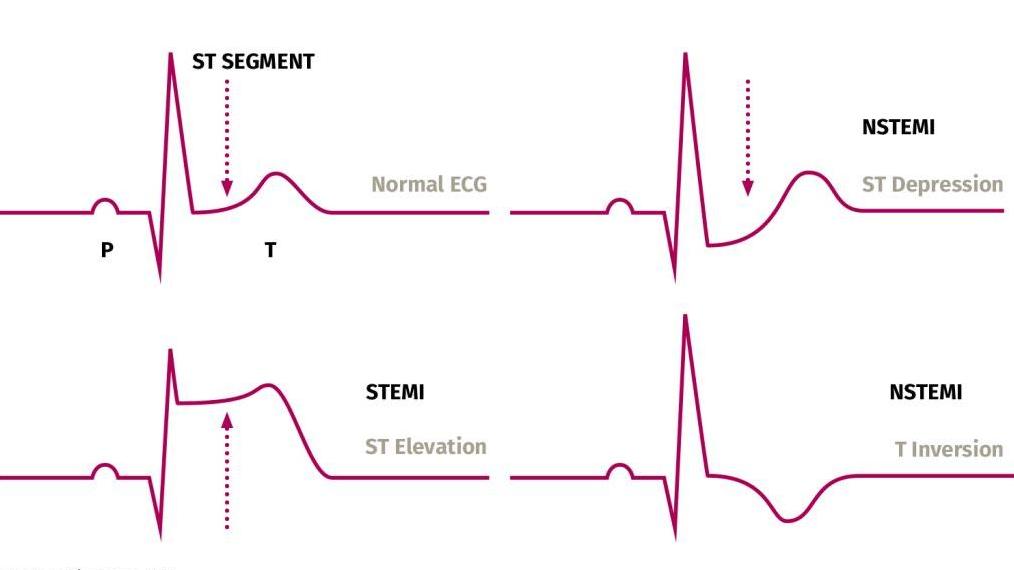
During an acute myocardial infarction, coronary artery blockage leads to myocardial ischemia and necrosis, causing the ST segment to rapidly elevate, often in an upward concave shape. The degree and extent of elevation are related to the infarction. Other conditions such as variant angina and acute pericarditis can also cause ST segment elevation, but their patterns and symptoms differ.
(2) ST Segment Depression
Commonly seen in myocardial ischemia, especially chronic coronary artery insufficiency. Coronary artery stenosis affects myocardial repolarization, leading to ST segment depression. Horizontal and downsloping depression are more clinically significant. Additionally, cardiomyopathy and electrolyte imbalances can also cause ST segment depression, requiring comprehensive judgment.
(1) ST Segment Elevation
During an acute myocardial infarction, coronary artery blockage leads to myocardial ischemia and necrosis, causing the ST segment to rapidly elevate, often in an upward concave shape. The degree and extent of elevation are related to the infarction. Other conditions such as variant angina and acute pericarditis can also cause ST segment elevation, but their patterns and symptoms differ.
(2) ST Segment Depression
Commonly seen in myocardial ischemia, especially chronic coronary artery insufficiency. Coronary artery stenosis affects myocardial repolarization, leading to ST segment depression. Horizontal and downsloping depression are more clinically significant. Additionally, cardiomyopathy and electrolyte imbalances can also cause ST segment depression, requiring comprehensive judgment.
III. Methods for Detecting the ST Segment
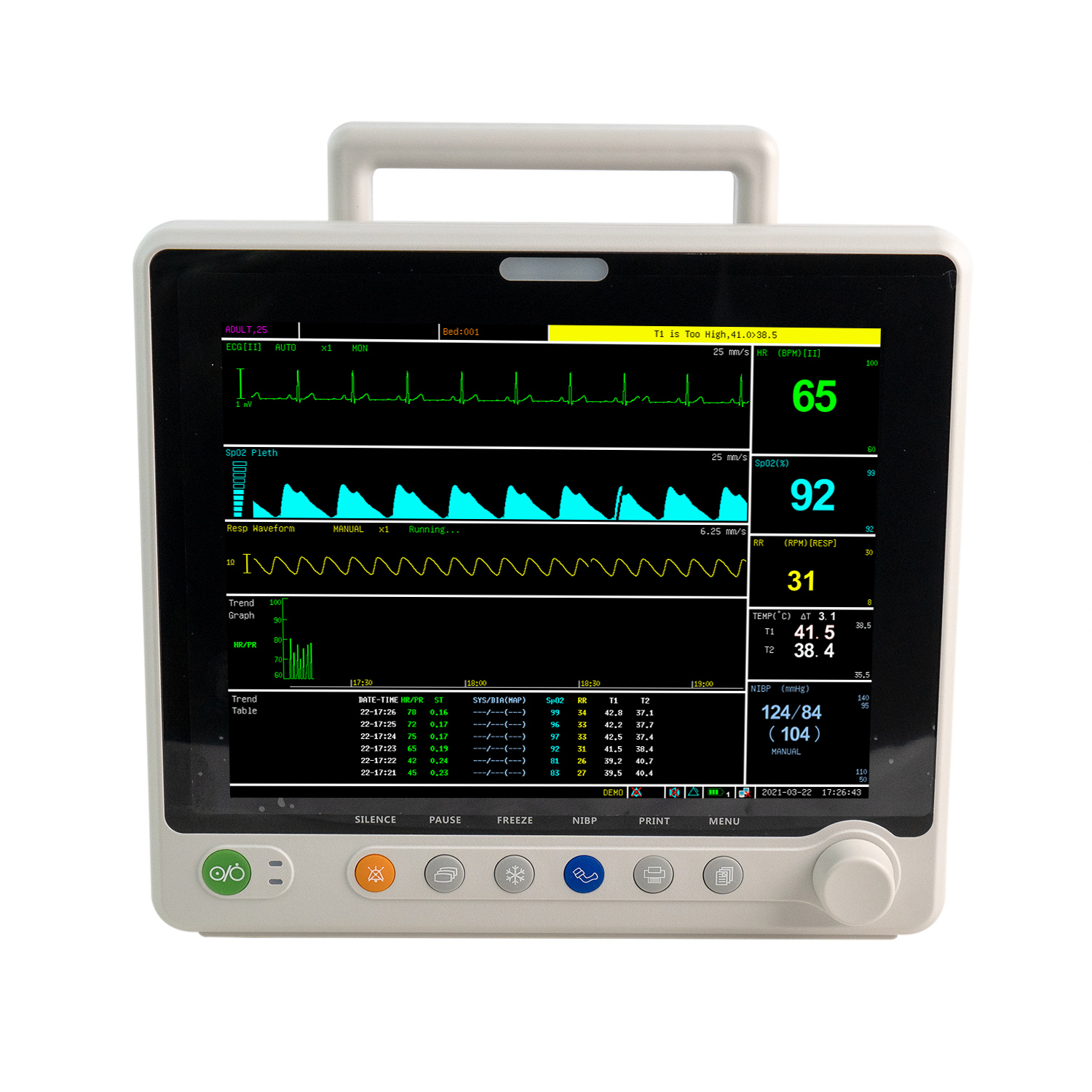
The standard 12-lead ECG is the basic examination for quickly determining ST segment abnormalities. Holter monitoring can continuously record ECG signals for over 24 hours to capture transient abnormalities. In the diagnosis and treatment of acute myocardial infarction, real-time ECG monitoring can dynamically observe ST segment changes. Moreover, the application of artificial intelligence technology makes the identification of ST segment abnormalities more precise.
IV. Pay Attention to the ST Segment to Protect Heart Health
Understanding ST segment knowledge helps in interpreting ECGs and being vigilant about heart diseases. People with cardiovascular disease risk factors should regularly check their ECGs. Maintaining a healthy lifestyle in daily life can reduce the risk of ST segment abnormalities and protect heart health.
This concise science blog highlights the core content of the ST segment. If you think there are any areas that need adjustment, feel free to let me know at any time.
UTECH's patient monitors can be equipped with 3/5/12 leads, which can accurately detect ECG signals and vividly display them through screens of different sizes.


If you want to know more information, please click the link below: //www.chinautech.com/
Beyond the Beep: How Patient Monitors Guard Special Populations & Critical Cases
Debunking Myths About Oxygen Saturation Meters: Clarifying Common Misconceptions
Related Article

Discover how summer heat affects the body and learn the difference between being overheated and having a fever. This guide provides practical tips on how to correctly measure body temperature in hot weather and highlights the features of UTECH Medical’s UTM10 infrared thermometer, including its one-second, non-contact measurement, 30-reading memory, and reliable accuracy for home and public safety.
Too Hot? Check Your Temperature the Right Way This Summer

Learn key facts about Marburg virus disease (MVD), a rare but severe hemorrhagic fever caused by a Filoviridae RNA virus. Discover how the virus spreads from Egyptian rousette bats to humans, its initial symptoms—including high fever, bleeding, and organ failure—and current laboratory diagnosis methods like RT-PCR. Explore supportive care treatments, prevention strategies
Marburg virus disease

Can asthma go away? Learn about asthma remission, genetic factors, symptoms, asthma cough, and the warning signs of life-threatening status asthmaticus.
Can Asthma Go Away Completely?

Explore tHIS ASEAN 2026, Southeast Asia’s leading healthcare exhibition connecting global medical technology providers with regional distributors, hospitals, and healthcare professionals. Discover ASEAN healthcare market growth, medical device opportunities, patient monitoring systems, pulse oximeters, AI healthcare, remote patient monitoring, and emerging trends shaping the future of healthcare across Southeast Asia.
tHIS ASEAN 2026: Southeast Asia Healthcare Exhibition and Medical Device Opportunities