The Five Benefits of Patient Monitors Equipped with 4G Modules: A New Era in Medical Monitoring
author: Wendy
2025-04-29
In today’s rapidly evolving field of medical technology, remote patient monitoring has become a key factor in improving the quality and efficiency of care. The limitations of traditional monitors relying on wired connections or Wi-Fi for data transmission are becoming increasingly apparent, while monitors equipped with 4G modules are revolutionizing this landscape. This article explores the five major advantages of integrating 4G communication technology into patient monitors.
1. Real-Time Data Transmission, Zero-Lag Monitoring
The high-speed connectivity of 4G networks ensures instant transmission of patient vital signs:
Critical metrics such as ECG, blood oxygen, and blood pressure can be transmitted in real time to healthcare providers’ monitoring stations.
Significantly reduced latency enables doctors to make more timely clinical decisions .
Continuous data streams allow for a more comprehensive assessment of patient conditions.
Critical metrics such as ECG, blood oxygen, and blood pressure can be transmitted in real time to healthcare providers’ monitoring stations.
Significantly reduced latency enables doctors to make more timely clinical decisions .
Continuous data streams allow for a more comprehensive assessment of patient conditions.
2. Mobile Monitoring Beyond Geographic Constraints
The widespread coverage of 4G networks frees monitors from the limitations of traditional wired connections:
Patients remain continuously monitored during transfers (e.g., ambulance transport).
Rural and remote-area patients receive the same monitoring quality as urban patients.
Doctors can remotely track patients’ health status during home recovery.
Patients remain continuously monitored during transfers (e.g., ambulance transport).
Rural and remote-area patients receive the same monitoring quality as urban patients.
Doctors can remotely track patients’ health status during home recovery.
3. Enhanced Emergency Response Capabilities
In critical situations, 4G-enabled monitors can be life-saving:
Automatic alert systems immediately notify medical teams when patient metrics are abnormal.
Emergency responders can access real-time patient data before arriving on-site, allowing better preparation.
In disasters or mass-casualty incidents, centralized remote monitoring of multiple patients becomes possible.
Automatic alert systems immediately notify medical teams when patient metrics are abnormal.
Emergency responders can access real-time patient data before arriving on-site, allowing better preparation.
In disasters or mass-casualty incidents, centralized remote monitoring of multiple patients becomes possible.
4. Data Security and Reliability Assurance
Modern 4G monitors incorporate advanced security measures:
End-to-end encryption ensures secure transmission of sensitive patient data.
4G networks are more stable than Wi-Fi, reducing signal dropout risks.
Automatic storage and forwarding functions preserve data even during temporary network outages.
End-to-end encryption ensures secure transmission of sensitive patient data.
4G networks are more stable than Wi-Fi, reducing signal dropout risks.
Automatic storage and forwarding functions preserve data even during temporary network outages.
5. Lower Healthcare Costs and Optimized Resource Allocation
The long-term economic benefits of 4G monitoring are significant:
Reduces unnecessary hospital stays, enabling early home recovery.
Medical staff can monitor more patients simultaneously, improving efficiency.
Preventive healthcare becomes feasible, lowering the incidence of severe complications and treatment costs.
Reduces unnecessary hospital stays, enabling early home recovery.
Medical staff can monitor more patients simultaneously, improving efficiency.
Preventive healthcare becomes feasible, lowering the incidence of severe complications and treatment costs.
As 5G technology gradually becomes widespread, medical monitoring will undergo even more revolutionary changes. However, at the current stage, the integration of 4G modules in patient monitors has already brought substantial improvements to healthcare. This technology not only enhances the quality of care but also makes medical services more accessible and equitable, truly enabling "anytime, anywhere" health monitoring.
When healthcare institutions consider upgrading monitoring equipment, 4G capability should be a key evaluation criterion. This is not just a technological advancement but also a crucial investment in patient safety.


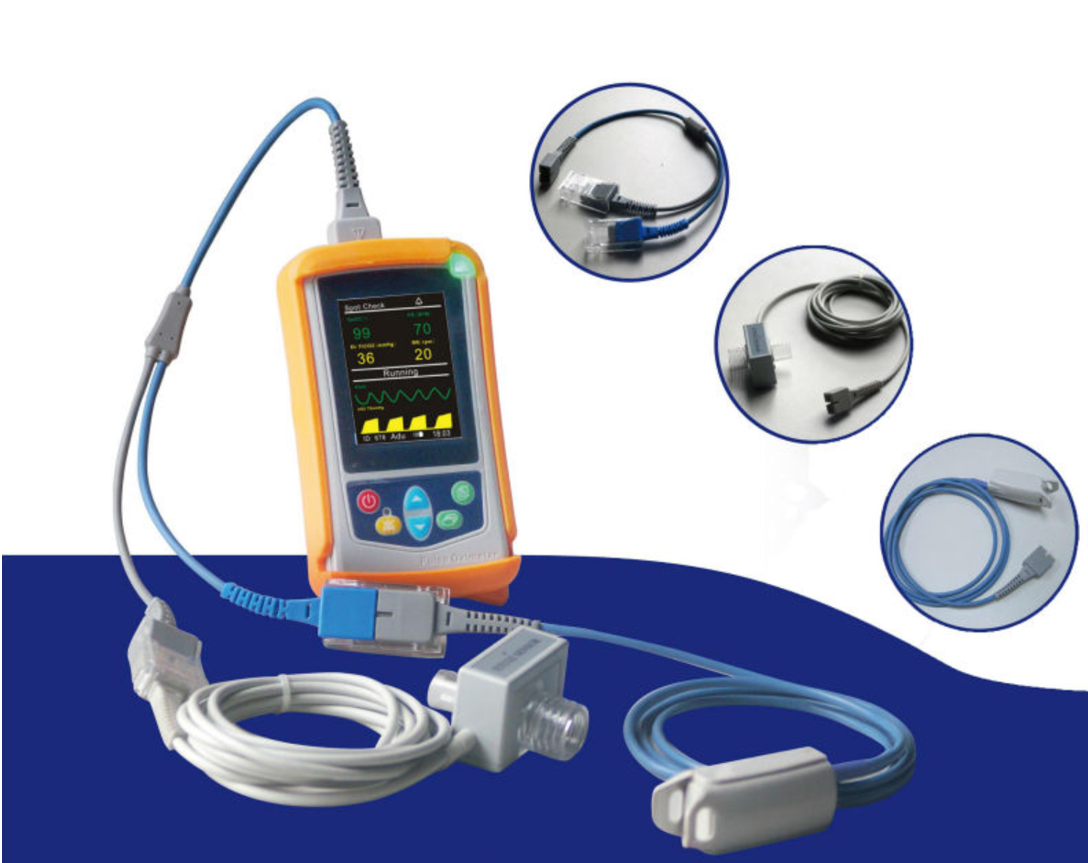
Some models of UTECH patient monitors have been equipped with 4G modules. We are constantly striving to incorporate this technology into all our products.
If you want to know more information, please click the link below: //www.chinautech.com/
Essential Portable Medical Devices for May Day Trips: How They Protect Your Travel Health
Photoplethysmography: The Magic Technology That "Listens" to the Rhythms of Life with Light
Related Article

Discover how summer heat affects the body and learn the difference between being overheated and having a fever. This guide provides practical tips on how to correctly measure body temperature in hot weather and highlights the features of UTECH Medical’s UTM10 infrared thermometer, including its one-second, non-contact measurement, 30-reading memory, and reliable accuracy for home and public safety.
Too Hot? Check Your Temperature the Right Way This Summer

Learn key facts about Marburg virus disease (MVD), a rare but severe hemorrhagic fever caused by a Filoviridae RNA virus. Discover how the virus spreads from Egyptian rousette bats to humans, its initial symptoms—including high fever, bleeding, and organ failure—and current laboratory diagnosis methods like RT-PCR. Explore supportive care treatments, prevention strategies
Marburg virus disease

Can asthma go away? Learn about asthma remission, genetic factors, symptoms, asthma cough, and the warning signs of life-threatening status asthmaticus.
Can Asthma Go Away Completely?
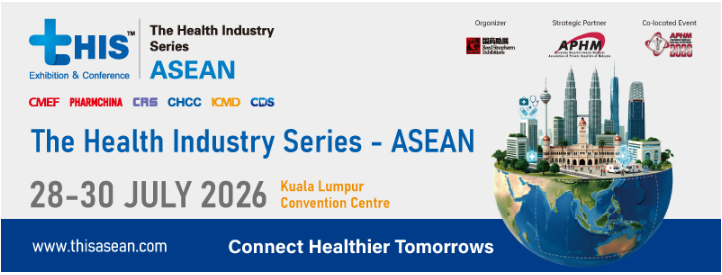
Explore tHIS ASEAN 2026, Southeast Asia’s leading healthcare exhibition connecting global medical technology providers with regional distributors, hospitals, and healthcare professionals. Discover ASEAN healthcare market growth, medical device opportunities, patient monitoring systems, pulse oximeters, AI healthcare, remote patient monitoring, and emerging trends shaping the future of healthcare across Southeast Asia.
tHIS ASEAN 2026: Southeast Asia Healthcare Exhibition and Medical Device Opportunities