Normal Blood Oxygen Saturation Levels in Elderly vs Young Adults: What’s the Difference?
Clinical Insights
Normal Blood Oxygen Saturation Levels in Elderly vs Young Adults: What’s the Difference?
— A Clinical Perspective —
While the standard medical range for blood oxygen saturation (SpO₂) is cited as 95% to 100%, this "one-size-fits-all" number rarely accounts for the physiological shifts that come with age. For caregivers and seniors, understanding the distinction between a healthy age-related decline and a clinical emergency is vital.
The Baseline: Why Age Matters
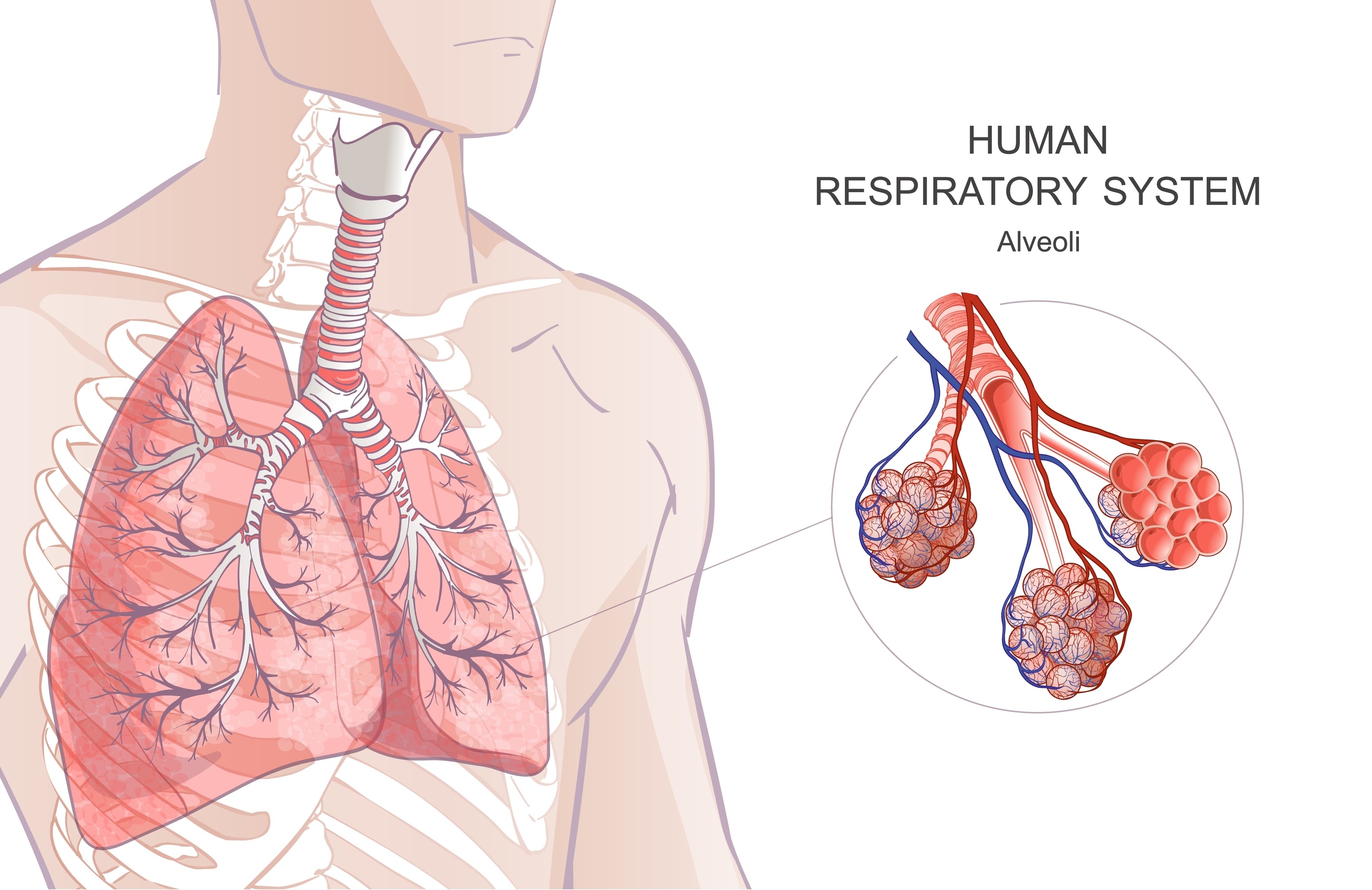 Blood oxygen levels are a measure of how effectively your lungs and heart deliver oxygen to the rest of your body. In healthy younger populations, the baseline is remarkably high. A study of nearly 1,000 healthy subjects (PMC12010496) found that the median SpO₂ is 99%, with virtually no healthy young individuals dipping below 97%.
However, as we age, the respiratory system undergoes structural changes. According to the Cleveland Clinic, these include a loss of lung elasticity and a weakening of the diaphragm. Consequently, a "normal" reading for a healthy 75-year-old often sits between 95% and 97%.
Comparative SpO₂ Ranges
| Group | Normal Range | Typical Reading | Clinical Concern |
|---|---|---|---|
| Young Adults (18–50) | 97% – 100% | 98% – 99% | Below 95% |
| Healthy Seniors (65+) | 95% – 100% | 95% – 97% | Below 94% (consistent) |
| Seniors with COPD | 88% – 92% | Per MD Target | Sudden drop or < 88% |
| Emergency (Any Age) | — | — | Below 90% |
Why Levels Shift in Later Life
The decline in SpO₂ isn't just a number; it’s a reflection of reduced "pulmonary reserve." Factors cited by Vinmec and clinical research include:
- Alveolar Surface Area: The tiny air sacs in the lungs lose their surface area, making gas exchange less efficient.
- Chest Wall Stiffness: Ribcage calcification can make it harder for the lungs to expand fully.
- Ventilation-Perfusion Mismatch: Blood flow and airflow in the lungs become less synchronized over time.
While these factors explain why a senior might read 95% instead of 99%, they also mean the elderly have less "buffer room" during illness.
Accuracy and Common Pitfalls
Measuring oxygen at home is convenient but prone to error, particularly in seniors. The Cleveland Clinic highlights several factors that can trigger a false low reading:
- Poor Circulation: Seniors often have colder extremities or peripheral vascular issues. If blood flow to the finger is low, the oximeter cannot get an accurate pulse.
- Skin and Nails: Thickened nails, fungal infections, or dark nail polish block the light used by the sensor.
- Skin Pigmentation: Evidence suggests that deeper skin tones can occasionally lead to slightly higher (overestimated) readings on some home devices.
When to Worry: The "92% Threshold"
Data from the Tromsø Study (PMC4342789), which followed over 5,000 adults, provides a stark look at the risks associated with low oxygen. The study found that seniors with a resting SpO₂ of 92% or lower had a 1.99 times higher risk of all-cause mortality compared to those at 96% or above. Even those in the 93–95% range saw a 1.36-fold increase in risk.
Red Flags Beyond the Numbers
Numbers can be deceiving due to "Silent Hypoxia"—a condition where oxygen levels drop significantly without causing obvious shortness of breath. You should seek medical attention if a senior displays:
- Sudden Confusion: Restlessness, agitation, or "brain fog."
- Physical Changes: Bluish tint to the lips or fingernails (cyanosis).
- Respiratory Rate: Breathing faster than 24 breaths per minute at rest.
- Trend Changes: A sudden drop from a personal baseline of 97% to 93%, even if 93% is technically "moderate."
Summary
While a slight dip in oxygen is a natural part of the aging process, it should never be ignored if it falls below 94% consistently or is accompanied by changes in mental clarity. The most effective way to monitor health is to establish a "personal baseline" while healthy. By knowing what is normal for you or your loved one, you can spot dangerous trends before they become emergencies.
Disclaimer: This information is for educational purposes and does not replace professional medical advice. Always consult a healthcare provider for persistent low readings or respiratory distress.
Breaking 2: What the 2026 London Marathon Record Tells Us About SpO2 and Your Training
More Than SpO₂ — What the Perfusion Index Truly Reveals
Related Article