
COPD Statistics 2026: Global Prevalence, Mortality, Risk Factors and Healthcare Costs
Global Health Report
COPD Statistics 2026:
Global Prevalence, Mortality, Risk Factors and Healthcare Costs
What Is COPD?
Chronic Obstructive Pulmonary Disease (COPD) is a progressive respiratory condition characterized by persistent airflow limitation and chronic inflammation of the airways.
The disease primarily includes:
- Chronic bronchitis
- Emphysema
- Chronic airflow obstruction
Unlike asthma, which often involves reversible airway narrowing, COPD causes permanent structural damage to lung tissue and airways.
Common Symptoms
Patients with COPD frequently experience: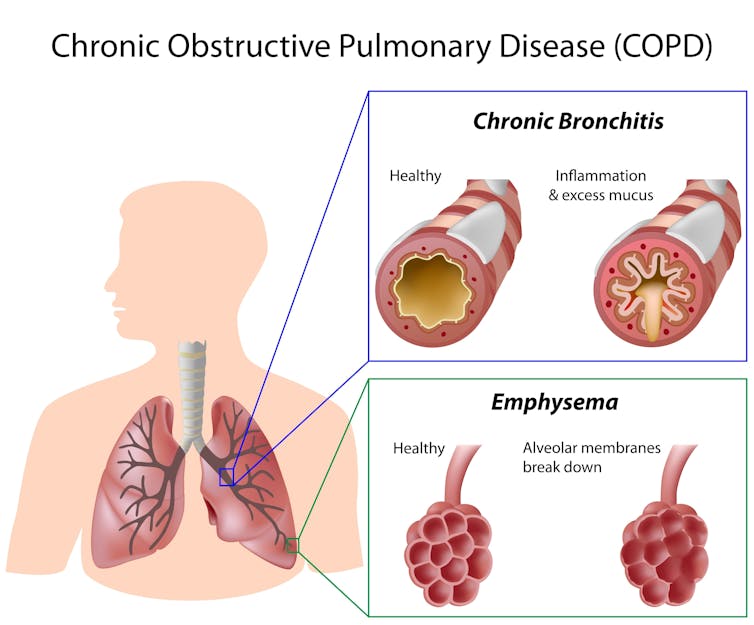
- Persistent cough
- Excess mucus production
- Shortness of breath
- Wheezing
- Chest tightness
- Reduced exercise capacity
Without proper treatment, symptoms often worsen over time and may lead to severe disability.
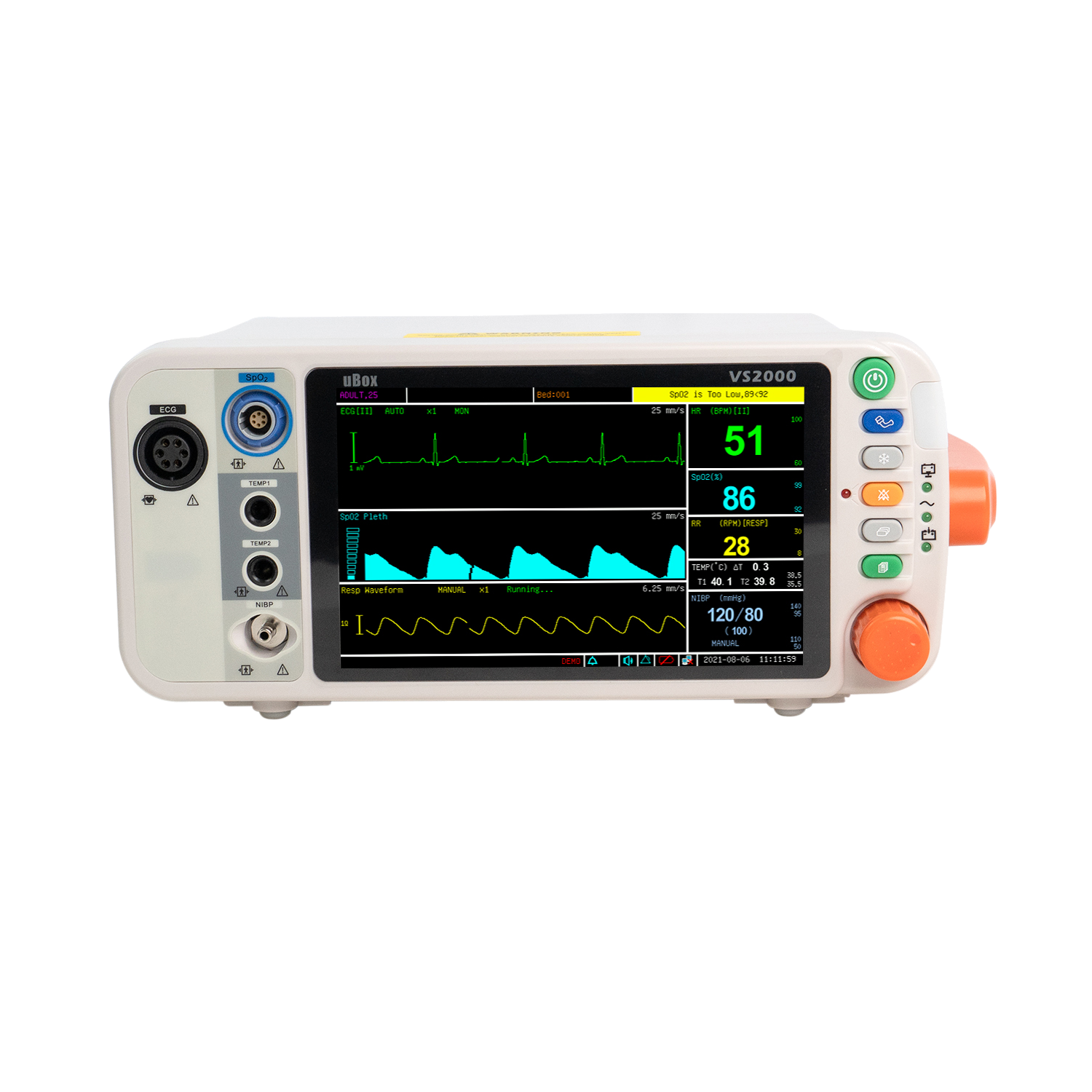 VS2000 — The transport vital signs monitor delivers accurate multi-parameter readings in real time. Featuring a 7-inch HD display, WiFi central monitoring, and 120-hour trend memory, it’s a portable, essential tool for emergency and critical care. Learn more →
Global COPD Prevalence and Mortality
COPD remains one of the world's most significant chronic diseases.
Global Burden at a Glance
| Metric | Estimated Value |
|---|---|
| People Living with COPD | 390–400 million |
| Annual Deaths | ~3.5 million |
| Global Death Ranking | 3rd Leading Cause |
| Deaths in LMICs | >85% |
| Major Risk Factor | Smoking |
Beyond mortality, COPD is a leading contributor to disability worldwide.
Many patients live for years with reduced lung function, decreased mobility, and ongoing dependence on healthcare services.
The disease burden extends far beyond hospitals, affecting workforce participation, caregiver requirements, and long-term quality of life.
COPD Statistics by Country
Australia
Australia provides valuable insight into the healthcare burden associated with COPD. Key statistics include:
- Approximately 211,719 years of healthy life lost due to COPD.
- Chronic diseases account for roughly 55% of all hospitalizations.
- Around 38% of Australians live with two or more chronic health conditions.
- Multimorbidity rises to approximately 79% among adults aged 85 years and older.
United States
COPD remains one of the leading causes of death and disability in the United States. Major challenges include:
- High smoking-related disease burden.
- Significant healthcare expenditure.
- Frequent emergency department visits and hospital admissions.
China
China faces one of the world's largest COPD patient populations due to:
- Historical smoking prevalence.
- Rapid industrialization.
- Air pollution exposure.
- Population aging.
As a result, COPD represents a major public health priority across the country.
Why COPD Is Becoming More Common
Several global trends continue to drive COPD prevalence.
Smoking and Tobacco Exposure
Smoking remains the primary cause of COPD. Long-term tobacco exposure damages lung tissue, destroys alveoli, and accelerates the decline of pulmonary function. Former smokers remain at elevated risk even years after quitting.
Air Pollution
Environmental exposure is becoming increasingly important. Major contributors include:
- Vehicle emissions
- Industrial pollution
- Fine particulate matter (PM2.5)
- Wildfire smoke
- Indoor biomass fuel combustion
Air pollution is particularly relevant in rapidly urbanizing regions.
Occupational Exposure
Workers in mining, manufacturing, construction, and agriculture often face long-term exposure to:
- Dust
- Chemical vapors
- Toxic gases
- Industrial particles
These exposures can contribute to COPD even among non-smokers.
Aging Population
The prevalence of COPD rises significantly with age. As life expectancy increases globally, healthcare systems are seeing growing numbers of patients requiring chronic respiratory care.
Economic Impact of COPD
COPD places an enormous financial burden on healthcare systems.
Direct Medical Costs
Healthcare spending related to COPD often includes:
- Emergency department visits
- Hospital admissions
- Intensive care treatment
- Prescription medications
- Oxygen therapy
- Pulmonary rehabilitation
Indirect Costs
Additional economic losses stem from:
- Reduced workplace productivity
- Early retirement
- Long-term disability
- Informal caregiving requirements
The combined burden amounts to billions of dollars annually worldwide.
Hospitalization and Healthcare Utilization
Acute exacerbations of COPD are one of the leading causes of respiratory-related hospital admissions. Common triggers include:
- Respiratory infections
- Influenza
- Air pollution events
- Medication non-adherence
Research consistently shows that patients living in remote or socioeconomically disadvantaged communities experience significantly higher hospitalization rates.
In Australia, hospitalization rates for chronic respiratory diseases can be 2.4–2.8 times higher in disadvantaged and remote areas compared with more affluent urban populations.
COPD and Other Chronic Diseases
COPD rarely exists alone. Many patients simultaneously manage multiple chronic conditions, including:
- Coronary heart disease
- Type 2 diabetes
- Hypertension
- Chronic kidney disease
- Heart failure
This phenomenon, known as multimorbidity, increases treatment complexity and healthcare costs while worsening patient outcomes.
Technologies Supporting COPD Management
As COPD prevalence increases, healthcare providers are adopting new technologies to improve disease management and reduce hospital admissions. Common respiratory care technologies include:
- Nebulizers Nebulizers convert liquid medication into a breathable mist, helping patients receive respiratory treatments more effectively.
- Pulse Oximeters Pulse oximeters allow healthcare professionals and patients to monitor oxygen saturation levels quickly and non-invasively.
- Capnography Monitors Capnography technology helps monitor respiratory status by measuring end-tidal carbon dioxide (EtCO₂), providing valuable information about ventilation efficiency.
- Oxygen Concentrators For patients with advanced COPD, oxygen concentrators can provide long-term supplemental oxygen therapy at home.
- Remote Patient Monitoring Digital healthcare platforms increasingly enable clinicians to monitor COPD patients remotely, allowing earlier intervention and reducing preventable hospital admissions.
Prevention and Early Detection
Although COPD cannot always be prevented, several interventions significantly reduce risk.
- Smoking Cessation: Quitting smoking remains the most effective preventive strategy.
- Spirometry Screening: Lung function testing helps identify COPD before severe symptoms develop.
- Vaccination: Preventive vaccines can reduce respiratory infections that frequently trigger COPD exacerbations.
- Pulmonary Rehabilitation: Structured rehabilitation programs improve physical function, breathing efficiency, and overall quality of life.
Future Outlook for COPD
The global burden of COPD is expected to remain high throughout the coming decade. Several trends will shape future healthcare needs:
- Population aging
- Urbanization
- Air quality challenges
- Increased awareness of respiratory health
- Expansion of home healthcare services
- Growth of remote monitoring technologies
Healthcare systems worldwide are increasingly shifting toward preventive care and earlier intervention strategies to reduce the long-term impact of COPD.
Conclusion
COPD continues to be one of the world's most significant chronic diseases, affecting hundreds of millions of people and causing millions of deaths every year.
The latest COPD statistics highlight the scale of the challenge—from rising prevalence and hospitalization rates to substantial healthcare expenditures and productivity losses.
Understanding these trends is essential for healthcare providers, policymakers, and medical technology companies working to improve respiratory care and reduce the global burden of chronic respiratory disease.
 Too Hot? Check Your Temperature the Right Way This Summer
  Marburg virus disease
  Can Asthma Go Away Completely?
  tHIS ASEAN 2026: Southeast Asia Healthcare Exhibition and Medical Device Opportunities
 Is My Blood Oxygen Level Normal?
 Ebola Outbreaks in Africa: Clinical Challenges, Supportive Care, and the Role of Patient Monitoring
  Why Is AI Making Medical Devices More Expensive? A Patient Monitor Case Study
  Nocturnal Hypoxia and Cardiac Instability in Elderly Patients: The Clinical Value of Continuous Monitoring
  Watching the World Cup at Estadio Azteca? Why Your SpO2 Isn't Accurate?
  Breaking 2: What the 2026 London Marathon Record Tells Us About SpO2 and Your Training
  Normal Blood Oxygen Saturation Levels in Elderly vs Young Adults: What’s the Difference?
  More Than SpO₂ — What the Perfusion Index Truly Reveals
  Does Nail Polish Affect Pulse Oximeter Accuracy? — The Science Behind the Signal —
  Does Skin Tone Affect Pulse Oximeter Accuracy? -The Science Behind the Signal
  Rethinking Central Venous Pressure ( CVP) : From Traditional Marker to Part of Comprehensive Hemodynamic Assessment
  Understanding COPD and Why Oxygen Monitoring Matters More Than Ever
  Why Everyone Should Have a Pulse Oximeter
  Best Handheld Pulse Oximeters for Clinical Use in 2026
  How to Choose the Best Portable Pulse Oximeter for Home Use
  How to Choose the Right Infant Pulse Oximeter for 2026