Watching the World Cup at Estadio Azteca? Why Your SpO2 Isn't Accurate?
2026 World Cup Prep
Watching the World Cup at Estadio Azteca? Why Your SpO2 Isn’t Accurate
As the world gears up for the 2026 FIFA World Cup, much of the conversation has centered on the grueling conditions athletes will face. While scientists warn that the 2026 World Cup could be hit by dangerous heat levels, there is another silent adversary waiting in Mexico City: the altitude.
At Estadio Azteca, situated at an staggering Mexico City altitude of approximately 2,200 meters (7,200 feet), the air tells a different story. Fans and players alike often notice they are "gasping" sooner than expected. BBC Sport reports that the physiological strain on players in these host cities will be unprecedented.
But if you are monitoring your health with a pulse oximeter in the stands, you might notice something alarming—your numbers aren't what they used to be. Why does high altitude oxygen saturation behave so differently, and is your device actually "wrong"?
1. What is SpO2 (Blood Oxygen Saturation)?
Before diving into the mountain air, let's define the metric. SpO2 stands for peripheral capillary oxygen saturation. It is a measure of the amount of oxygen-carrying hemoglobin in the blood relative to the amount of hemoglobin not carrying oxygen.
- Normal Range: At sea level, a healthy individual typically sees blood oxygen levels between 95% and 100%.
- The Drop: When your SpO2 levels fall, it indicates that your body is struggling to deliver enough oxygen to your tissues, a common occurrence in a low oxygen environment.
Portable devices like a fingertip pulse oximeter have made oxygen monitoring accessible for everyone, from elite athletes to casual tourists. However, understanding the data requires a bit of high altitude physiology.
2. Why Does SpO2 Drop at High Altitude?
The most common misconception is that there is "less oxygen" in the air at high altitudes. In reality, the concentration of oxygen remains at roughly 21% whether you are on a beach or the peak of Everest.
The Role of Oxygen Pressure
The real culprit is oxygen pressure (specifically, the partial pressure of inspired oxygen, PiO2). As altitude increases, atmospheric pressure decreases. This means oxygen molecules are further apart and less "pressurized," making it harder for them to pass through the lung membranes and into the bloodstream.
According to research published in The Lancet and NIH’s PubMed Central, this drop in pressure leads to:
- Faster Breathing: The body attempts to compensate for lower oxygen per breath.
- Increased Heart Rate: The heart pumps faster to circulate the available oxygen more quickly.
- Reduced SpO2: Despite these efforts, oxygen saturation drops because the "loading" mechanism in the lungs is less efficient.
How Altitude Affects Athletes
For soccer players at Estadio Azteca, oxygen saturation during exercise becomes a critical bottleneck. Aerobic performance and endurance are hit hard because the muscles demand more oxygen than the thin air can provide. Recovery times lengthen, and fatigue sets in much earlier than at sea level.
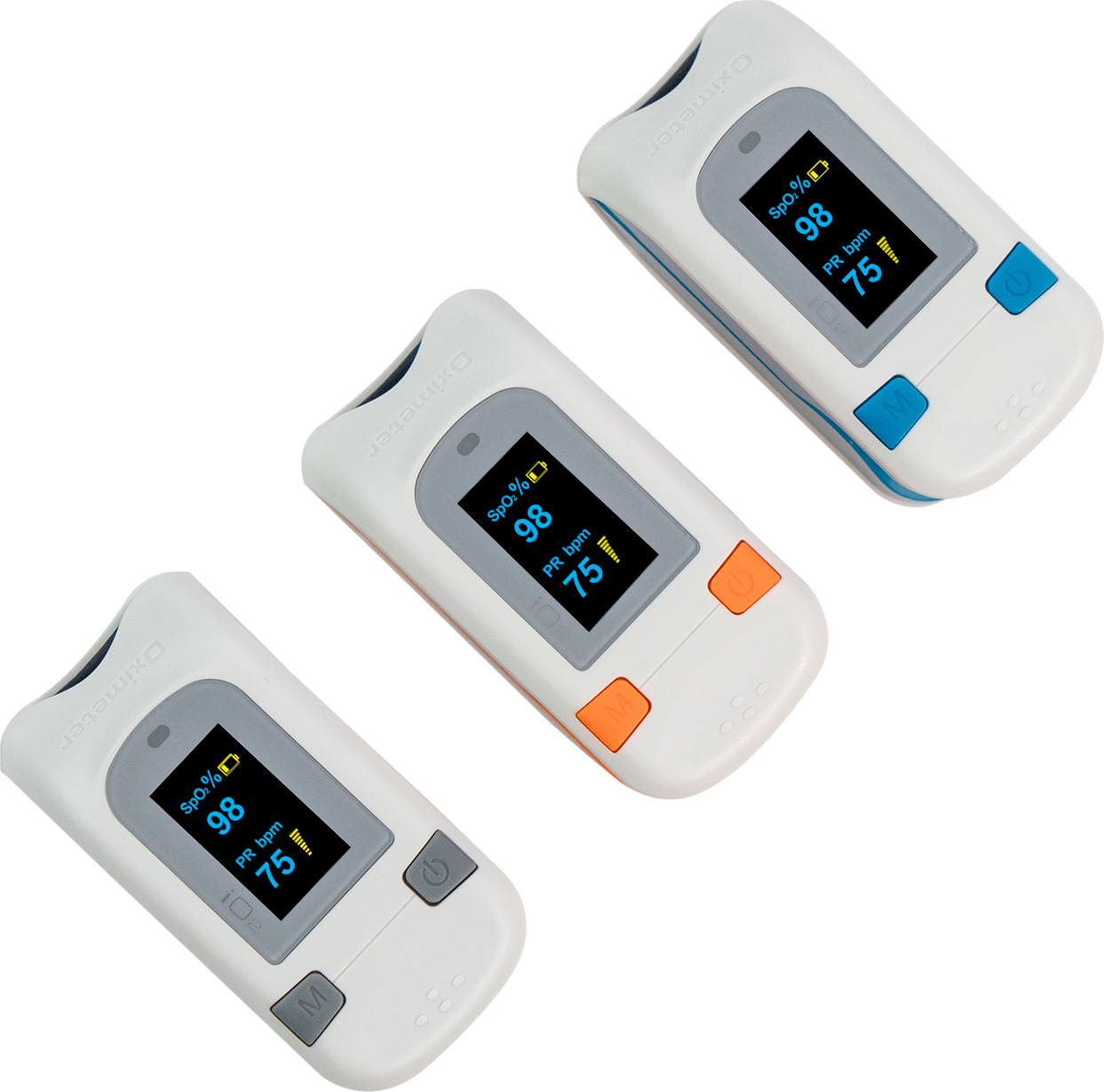 IO2 — The compact iO2 Oximeter provides accurate SpO₂ and pulse readings in seconds. Featuring an OLED display and 120-hour memory, it’s a portable, essential tool for professional and home health monitoring. Learn more →
3. What is a "Normal" Reading at 2,200 Meters?
If you are checking your blood oxygen levels in Mexico City, don't panic if you don't see a 99%.
| Environment | Typical SpO2 Range |
|---|---|
| Sea Level | 95% – 100% |
| Mexico City (2,200m) | 92% – 95% |
| High Altitude (>3,000m) | 85% – 90% |
Note: Individual variations exist. While a temporary drop is a natural part of high altitude physiology, a sustained drop below 90% at this altitude may warrant attention.
4. Does Altitude Affect Pulse Oximeter Readings?
The short answer: The reading is usually accurate regarding your blood, but "inaccurate" regarding your usual baseline.
When users ask, "Does altitude affect pulse oximeter readings?" they are often seeing a lower number and assuming the device is broken. However, there are physical factors at high altitudes that can interfere with a pulse oximeter:
- Cold Extremities: High altitudes are often cooler. Cold fingers cause peripheral vasoconstriction (narrowing of blood vessels), which reduces blood flow to the fingertip and can cause the device to struggle for a reading.
- Ambient Light: In bright, open-air stadiums like Estadio Azteca, intense sunlight can sometimes interfere with the sensors of a fingertip pulse oximeter.
- Movement: High-intensity oxygen monitoring during cheering or walking can lead to "signal noise," making the data appear erratic.
Pro Tip: For the most accurate reading, ensure your hands are warm, stay still, and shield the device from direct sunlight.
5. Identifying Altitude Sickness
While monitoring SpO2 at altitude is helpful, you should always listen to your body first. Altitude sickness (Acute Mountain Sickness) can strike anyone, regardless of fitness level. Watch for these symptoms:
- Headache and dizziness
- Shortness of breath (even at rest)
- Fatigue or lethargy
- Nausea or loss of appetite
- Difficulty sleeping
If symptoms worsen, the best treatment is descending to a lower altitude and seeking medical advice.
FAQ: High Altitude & Oxygen Monitoring
Q: Why does my SpO2 drop so significantly when I walk up the stadium stairs?
A: This is due to oxygen saturation during exercise. In a low oxygen environment, your body has no "reserve." The physical exertion uses up oxygen faster than your lungs can replenish it under low oxygen pressure.
Q: Is a pulse oximeter necessary for World Cup travelers?
A: While not mandatory, a pulse oximeter is a valuable tool for oxygen monitoring, especially for those with pre-existing heart or lung conditions who are traveling to Mexico City altitude.
Q: Can I improve my SpO2 at altitude?
A: Acclimatization is key. Staying hydrated and avoiding overexertion during your first 48 hours in Mexico City helps your body adjust its high altitude physiology.
Conclusion: The "Oxygen Challenge" at Estadio Azteca
For the fans and athletes heading to the 2026 World Cup, the real opponent isn't just the team on the other side of the pitch—it’s the air itself. Understanding why does SpO2 drop at high altitude can turn a moment of panic into a moment of informed health management.
Whether you are tracking oxygen saturation during exercise or just ensuring your family is safe during a hike, being aware of SpO2 at altitude is essential. A pulse oximeter is your window into how your body handles the "thin air" of Estadio Azteca. Respect the altitude, stay hydrated, and keep an eye on your levels to ensure your World Cup experience is breathtaking for the right reasons.
Respect the altitude. Enjoy the game. Breathe easy.
Nocturnal Hypoxia and Cardiac Instability in Elderly Patients: The Clinical Value of Continuous Monitoring
Breaking 2: What the 2026 London Marathon Record Tells Us About SpO2 and Your Training
Related Article