
Which gases need to be detected when the patient is anesthetized
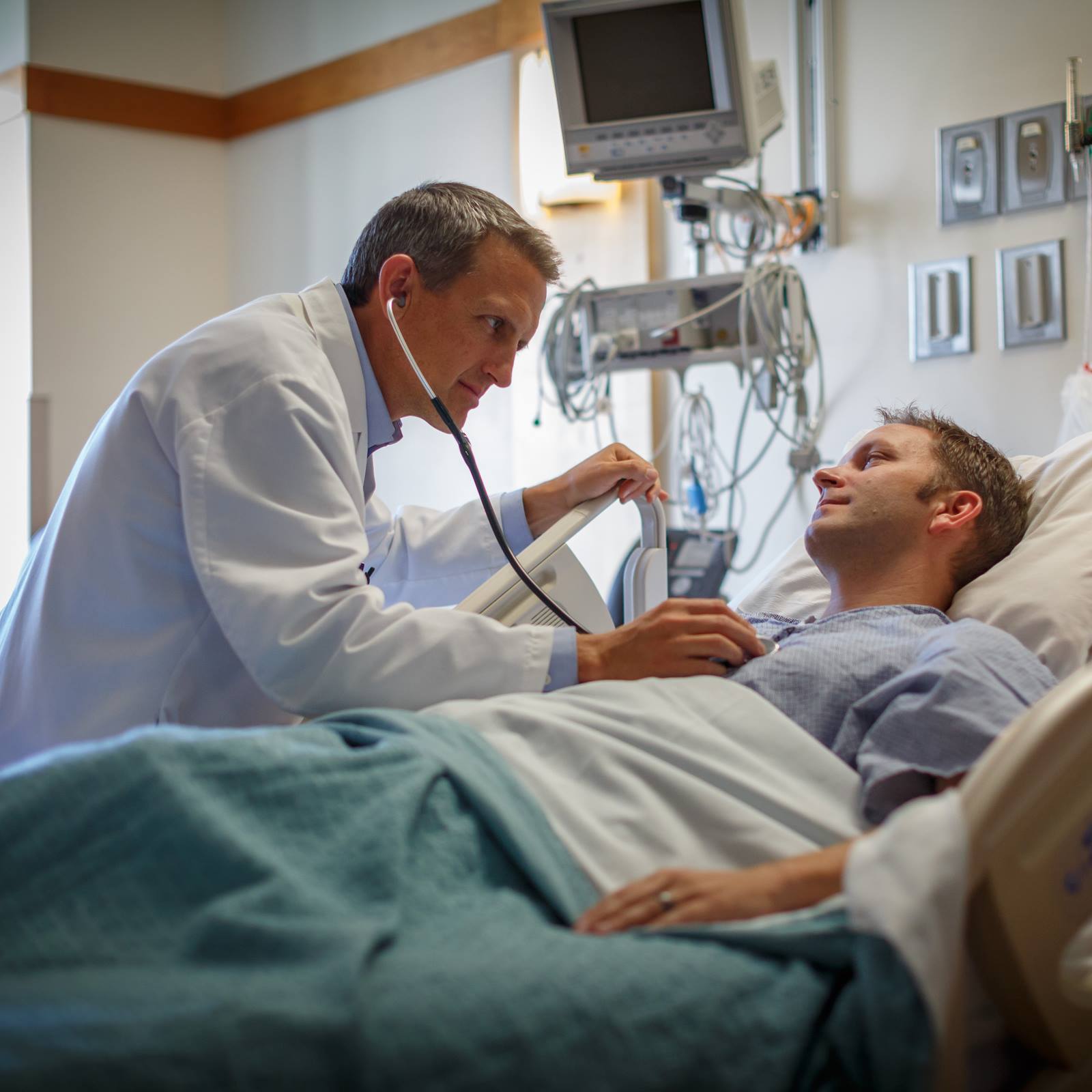
Which gases need to be detected when the patient is anesthetized
When a patient is anesthetized, it is important to monitor the concentration of several gases to ensure that the patient's oxygenation and ventilation are within safe limits. The gases that need to be detected during anesthesia include:
-
Oxygen (O2): Oxygen is essential for sustaining life, and during anesthesia, it is important to ensure that the patient is receiving enough oxygen to maintain adequate oxygenation of the blood.
-
Carbon dioxide (CO2): Carbon dioxide is a waste product of metabolism and is eliminated from the body through breathing. During anesthesia, monitoring the concentration of CO2 can help ensure that the patient is breathing adequately and that the anesthesia is not causing respiratory depression.
-
Nitrous oxide (N2O): Nitrous oxide is a commonly used anesthetic gas, and monitoring its concentration can help ensure that the patient is receiving the correct dose of anesthesia.
-
Halogenated agents: Halogenated agents, such as isoflurane, sevoflurane, and desflurane, are commonly used in anesthesia. Monitoring the concentration of these gases can help ensure that the patient is receiving the correct dose of anesthesia and that their level of anesthesia is within safe limits.
Overall, monitoring the concentration of these gases is important for ensuring the safety of the patient during anesthesia.
Significance of monitoring BIS for anesthetized patients
What are the types of disposable spo2 probe?
Related Article