
Fluid Management in New Applications of Pulse Oximeters
2022-06-30
Fluid Management in New Applications of Pulse Oximeters
Source 《Health Management》
During general anaesthesia
In anaesthetised and mechanically ventilated patients, the respiratory changes in left ventricular stroke volume induce proportional changes in arterial pulse pressure (PPV) and in PI, known as the pleth variability index (PVI). PVI has been shown to be a good predictor of fluid responsiveness in the operating room, but not in the ICU where motion artifacts are frequent, and the pulse oximetry signal is sometimes far to be optimal (as often evidenced by a low PI).
Because intra-operative PPV-guided fluid therapy has been shown to decrease postoperative morbidity, a recent study (Fischer et al. 2020a) investigated the value of PVI to guide fluid therapy during surgery. This randomised controlled trial assessed the postoperative outcome impact of maintaining PVI <13% during surgery. The study did not show any outcome benefits but the percentage of time within target (PVI < 13%) was low (< 40% of the surgery time) and did not differ between groups. Further studies are therefore needed to clarify the possible impact of PVI-guided fluid strategies on postoperative outcome. However, it is important to bear in mind that all non-invasive attempts made so far to rationalise fluid therapy during surgery, either with PVI or cardiac output monitoring systems, failed to impact postoperative outcome (Fischer et al. 2020b). These findings may simply reflect the fact that because postoperative complications are uncommon in low-risk surgical patients, there is not much room for improvement. In other words, if goal directed fluid therapy with PPV or invasive pulse contour methods has been shown to be useful to improve postoperative outcome in high-risk surgical patients (who usually have a radial catheter in place), it is unlikely that goal directed fluid therapy with non-invasive methods may be cost-effective in low-risk patients.

In patients with acute respiratory failure
In patients with acute respiratory failure, individualised fluid therapy is desirable to balance the risks of fluid overload (increase in pulmonary oedema) with the risks of fluid restriction (decrease in cardiac output and oxygen delivery to the tissues). Predicting preload responsiveness is a way to identify patients who may benefit from fluid administration and, maybe more importantly, to prevent unjustified fluid boluses in preload non-responders. Predicting preload responsiveness was recently recommended by WHO, the Surviving Sepsis Campaign guidelines and the NIH for the fluid management of COVID-19 patients.
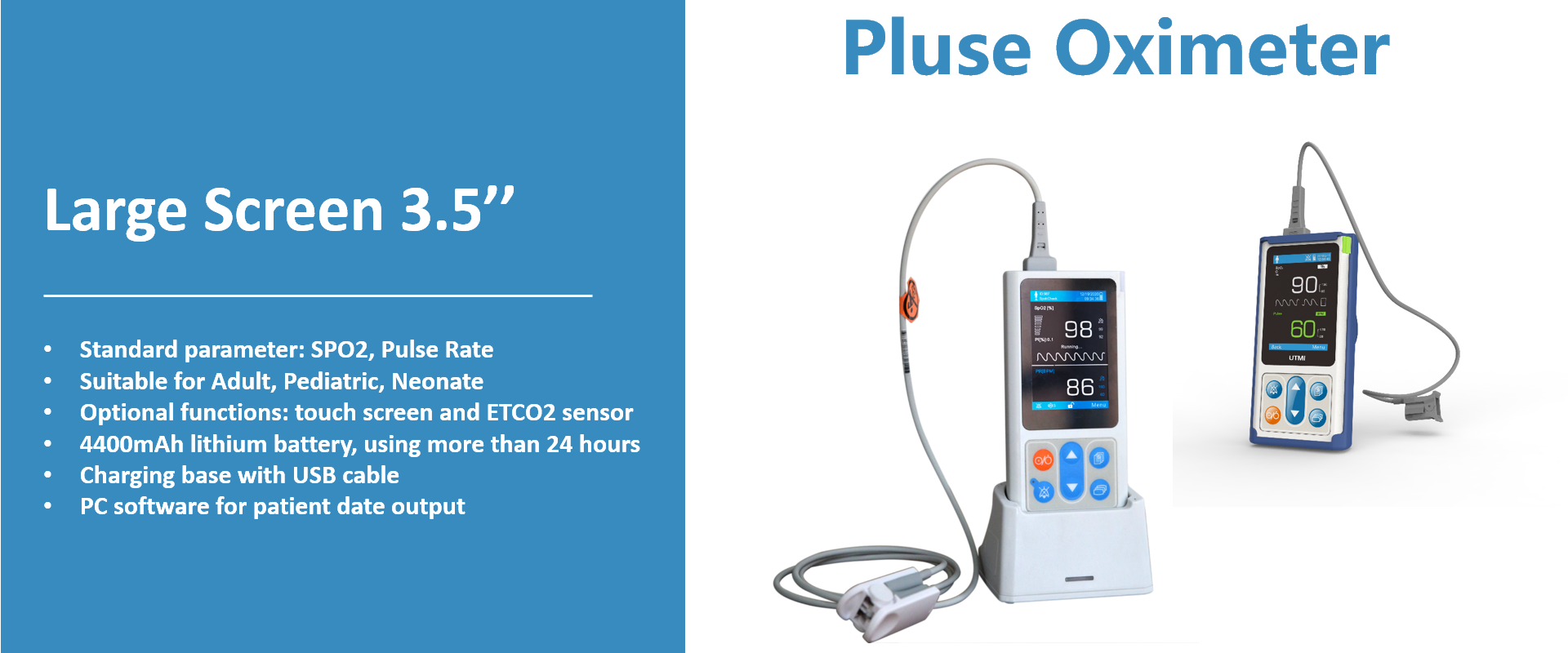
In spontaneously breathing patients and during protective mechanical ventilation, it is well established that both PPV and PVI have a poor predictive value, which is mainly related to a low sensitivity. In contrast, the assessment of changes in cardiac output during a passive leg raising (PLR) manoeuvre has been shown to accurately predict preload responsiveness. This approach requires the use of cardiac output monitoring systems which are not always readily available or used, particularly in spontaneously breathing patients. Interestingly, the two main determinants of the pulse oximetry-derived PI are vascular tone and cardiac output. Assuming no significant changes in vascular tone, one may therefore assume that changes in PI may reflect changes in cardiac output. A recent study done in critically ill patients showed that a relative increase in PI >9% during a PLR manoeuvre predicts an increase in cardiac output >10% with a sensitivity of 91% and a specificity of 79% (Beurton et al. 2019). In summary, when cardiac output is not monitored, PLR-induced changes in PI may help to predict fluid responsiveness.
Dr. Frederic Michard writing
Source 《Health Management》
During general anaesthesia
In anaesthetised and mechanically ventilated patients, the respiratory changes in left ventricular stroke volume induce proportional changes in arterial pulse pressure (PPV) and in PI, known as the pleth variability index (PVI). PVI has been shown to be a good predictor of fluid responsiveness in the operating room, but not in the ICU where motion artifacts are frequent, and the pulse oximetry signal is sometimes far to be optimal (as often evidenced by a low PI).
Because intra-operative PPV-guided fluid therapy has been shown to decrease postoperative morbidity, a recent study (Fischer et al. 2020a) investigated the value of PVI to guide fluid therapy during surgery. This randomised controlled trial assessed the postoperative outcome impact of maintaining PVI <13% during surgery. The study did not show any outcome benefits but the percentage of time within target (PVI < 13%) was low (< 40% of the surgery time) and did not differ between groups. Further studies are therefore needed to clarify the possible impact of PVI-guided fluid strategies on postoperative outcome. However, it is important to bear in mind that all non-invasive attempts made so far to rationalise fluid therapy during surgery, either with PVI or cardiac output monitoring systems, failed to impact postoperative outcome (Fischer et al. 2020b). These findings may simply reflect the fact that because postoperative complications are uncommon in low-risk surgical patients, there is not much room for improvement. In other words, if goal directed fluid therapy with PPV or invasive pulse contour methods has been shown to be useful to improve postoperative outcome in high-risk surgical patients (who usually have a radial catheter in place), it is unlikely that goal directed fluid therapy with non-invasive methods may be cost-effective in low-risk patients.
In patients with acute respiratory failure
In patients with acute respiratory failure, individualised fluid therapy is desirable to balance the risks of fluid overload (increase in pulmonary oedema) with the risks of fluid restriction (decrease in cardiac output and oxygen delivery to the tissues). Predicting preload responsiveness is a way to identify patients who may benefit from fluid administration and, maybe more importantly, to prevent unjustified fluid boluses in preload non-responders. Predicting preload responsiveness was recently recommended by WHO, the Surviving Sepsis Campaign guidelines and the NIH for the fluid management of COVID-19 patients.
In spontaneously breathing patients and during protective mechanical ventilation, it is well established that both PPV and PVI have a poor predictive value, which is mainly related to a low sensitivity. In contrast, the assessment of changes in cardiac output during a passive leg raising (PLR) manoeuvre has been shown to accurately predict preload responsiveness. This approach requires the use of cardiac output monitoring systems which are not always readily available or used, particularly in spontaneously breathing patients. Interestingly, the two main determinants of the pulse oximetry-derived PI are vascular tone and cardiac output. Assuming no significant changes in vascular tone, one may therefore assume that changes in PI may reflect changes in cardiac output. A recent study done in critically ill patients showed that a relative increase in PI >9% during a PLR manoeuvre predicts an increase in cardiac output >10% with a sensitivity of 91% and a specificity of 79% (Beurton et al. 2019). In summary, when cardiac output is not monitored, PLR-induced changes in PI may help to predict fluid responsiveness.
Dr. Frederic Michard writing
What Can Psychologists Do in Intensive Care?
Continuous Monitoring on Hospital Wards
Related Article

Discover how summer heat affects the body and learn the difference between being overheated and having a fever. This guide provides practical tips on how to correctly measure body temperature in hot weather and highlights the features of UTECH Medical’s UTM10 infrared thermometer, including its one-second, non-contact measurement, 30-reading memory, and reliable accuracy for home and public safety.
Too Hot? Check Your Temperature the Right Way This Summer

UTECH Medical conducts customs declaration and Certificate of Origin (COO) training to strengthen employees' export knowledge and provide global customers with more efficient medical equipment transaction support.
UTMI Training Strengthens Customs Expertise and Customer Service

Learn key facts about Marburg virus disease (MVD), a rare but severe hemorrhagic fever caused by a Filoviridae RNA virus. Discover how the virus spreads from Egyptian rousette bats to humans, its initial symptoms—including high fever, bleeding, and organ failure—and current laboratory diagnosis methods like RT-PCR. Explore supportive care treatments, prevention strategies
Marburg virus disease