
When is the most accurate time to measure blood pressure
author: Tyler Wang
2022-06-20
When is the most accurate time to measure blood pressure
It is generally believed that blood pressure measured in the morning on an empty stomach and in a quiet state is the most accurate. Before measuring blood pressure, let the patient rest quietly for 5-10 minutes, do not exercise vigorously, do not hold urine, and do not eat too much excitatory liquids, such as coffee, tea or wine before measuring blood pressure, these may cause sympathetic nervousness Excited, too much catecholamine and dopamine are released, which can easily induce blood pressure. If blood pressure monitoring is desired, it is generally recommended that the patient measure 3 times a day at the following times:
1. Morning blood pressure: the blood pressure of the patient after getting up in the morning, the measurement is completed at 6-10 o'clock;
2. Afternoon blood pressure: complete the measurement during the time period of 16-20 o’clock;
3. Blood pressure before going to bed: The measurement is usually completed at 20-22 o'clock.
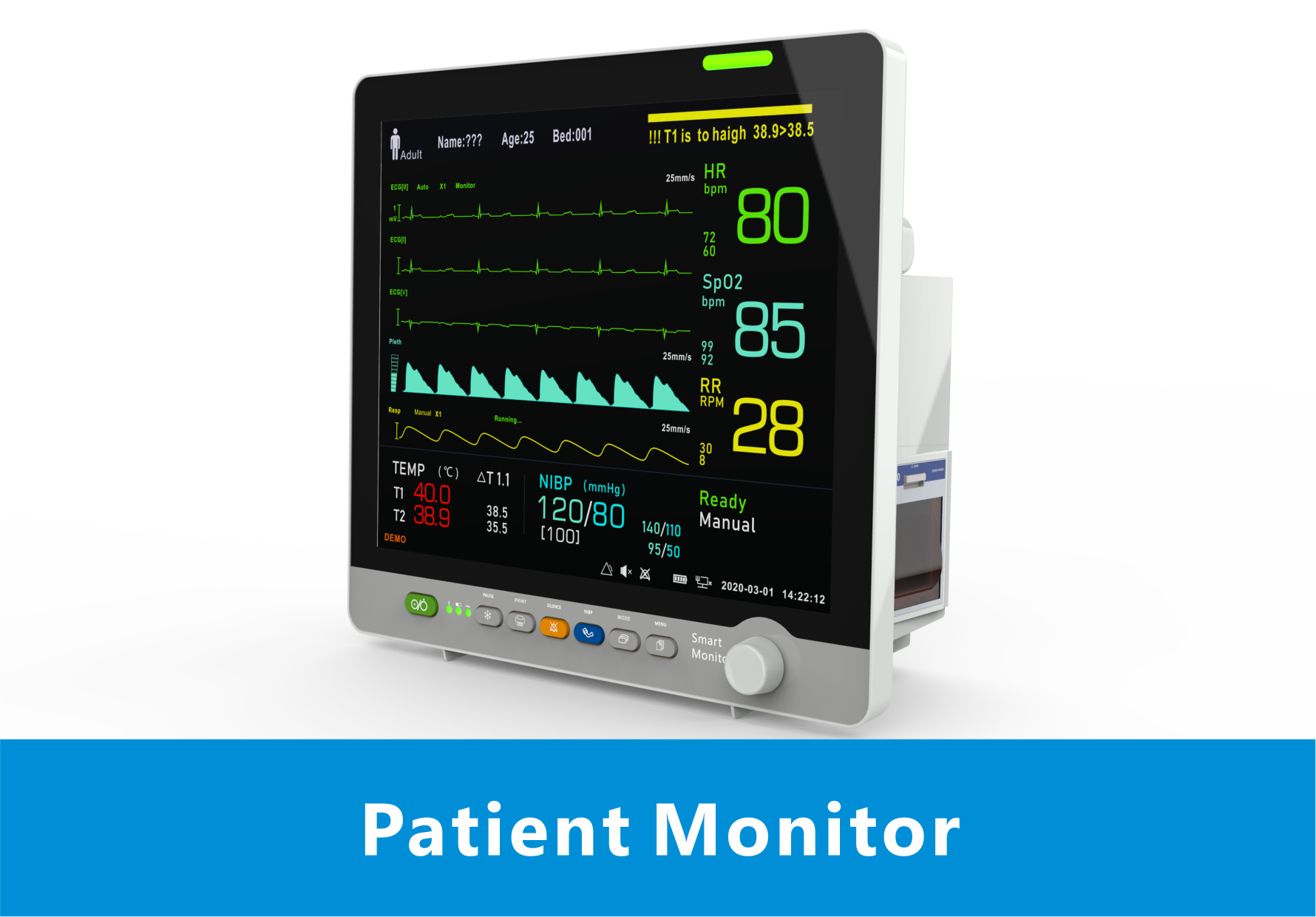
Human blood pressure is adjusted according to the biological clock throughout the day, most of which are dipper blood pressure, commonly known as "two peaks and one valley", that is, the blood pressure peaks in the morning and afternoon, and the blood pressure will decrease relatively in other periods, so choose this Measuring blood pressure over several time periods is a good way to find the peak of blood pressure throughout the day, which can be used to identify whether a patient has high blood pressure.
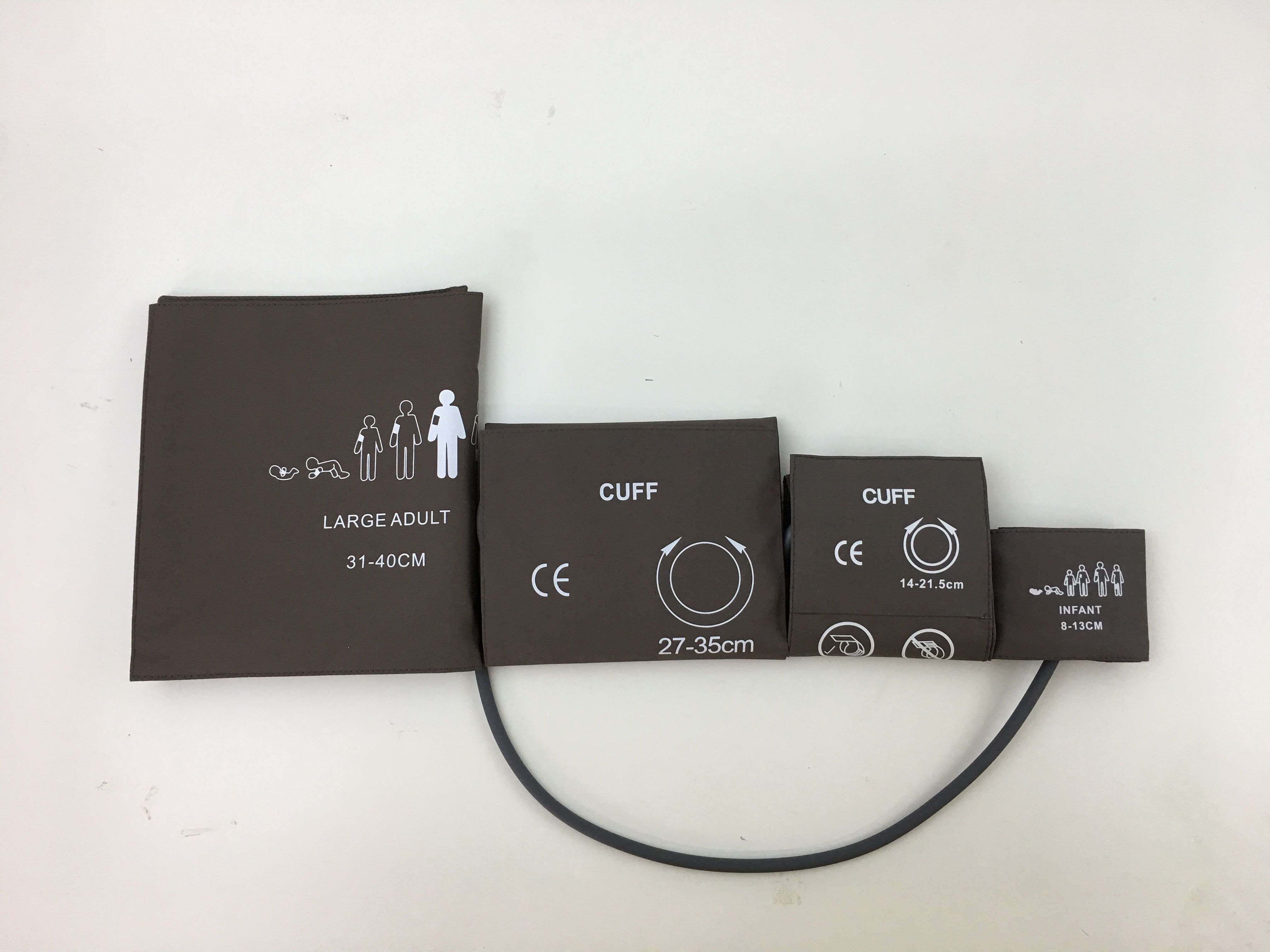
In addition, blood pressure measurement before going to bed can be compared with the blood pressure during the day to observe whether the patient has reverse dipper blood pressure. This way of monitoring blood pressure is helpful for adjusting blood pressure for patients.
It is generally believed that blood pressure measured in the morning on an empty stomach and in a quiet state is the most accurate. Before measuring blood pressure, let the patient rest quietly for 5-10 minutes, do not exercise vigorously, do not hold urine, and do not eat too much excitatory liquids, such as coffee, tea or wine before measuring blood pressure, these may cause sympathetic nervousness Excited, too much catecholamine and dopamine are released, which can easily induce blood pressure. If blood pressure monitoring is desired, it is generally recommended that the patient measure 3 times a day at the following times:
1. Morning blood pressure: the blood pressure of the patient after getting up in the morning, the measurement is completed at 6-10 o'clock;
2. Afternoon blood pressure: complete the measurement during the time period of 16-20 o’clock;
3. Blood pressure before going to bed: The measurement is usually completed at 20-22 o'clock.
Human blood pressure is adjusted according to the biological clock throughout the day, most of which are dipper blood pressure, commonly known as "two peaks and one valley", that is, the blood pressure peaks in the morning and afternoon, and the blood pressure will decrease relatively in other periods, so choose this Measuring blood pressure over several time periods is a good way to find the peak of blood pressure throughout the day, which can be used to identify whether a patient has high blood pressure.
In addition, blood pressure measurement before going to bed can be compared with the blood pressure during the day to observe whether the patient has reverse dipper blood pressure. This way of monitoring blood pressure is helpful for adjusting blood pressure for patients.
What does it mean if blood pressure readings are different for each arm?
What to know about hypoxia?
Related Article

Discover how summer heat affects the body and learn the difference between being overheated and having a fever. This guide provides practical tips on how to correctly measure body temperature in hot weather and highlights the features of UTECH Medical’s UTM10 infrared thermometer, including its one-second, non-contact measurement, 30-reading memory, and reliable accuracy for home and public safety.
Too Hot? Check Your Temperature the Right Way This Summer

UTECH Medical conducts customs declaration and Certificate of Origin (COO) training to strengthen employees' export knowledge and provide global customers with more efficient medical equipment transaction support.
UTMI Training Strengthens Customs Expertise and Customer Service

Learn key facts about Marburg virus disease (MVD), a rare but severe hemorrhagic fever caused by a Filoviridae RNA virus. Discover how the virus spreads from Egyptian rousette bats to humans, its initial symptoms—including high fever, bleeding, and organ failure—and current laboratory diagnosis methods like RT-PCR. Explore supportive care treatments, prevention strategies
Marburg virus disease