
Treatment for high BP includes lifestyle changes, medications, or both.
2022-07-22
By Cherie Berkley
There are numerous causes and risk factors for abnormal BP.
Causes of hypertension include:
Causes of hypotension include:
Treatment
Treatment for high BP includes lifestyle changes, medications, or both.
A healthy, low-sodium diet, smoking cessation, exercise, and weight loss are ways to lower BP on your own. Your healthcare provider may also need to prescribe BP-lowering medication for you to take.
Low BP that doesn’t cause symptoms or causes only a few symptoms rarely requires treatment.Treatment depends on the cause of your hypotension.
If there is no diagnosable cause of your hypotension, your healthcare provider may recommend the following to raise your BP:
Eat more salt: Sodium can help raise BP in some people with hypotension. For older adults, too much salt can lead to heart failure, so it’s key to check with a practitioner first before increasing your salt intake, even if you have hypotension.
Drink more fluids: Water increases blood volume and prevents dehydration. Both are important steps in treating hypotension.
Lifestyle changes: Wear compression stockings, avoid standing for a long time, and get up slowly when rising to stand.
Medications: Your healthcare provider can prescribe medications to increase your blood volume or raise your BP.

Complications
Abnormal blood pressure makes puts you at risk for other health conditions. This is why it is important for you to get treated for your hypertension early.
Uncontrolled hypertension can cause:
Hardening and narrowing of the arteries, which makes the heart work harder
Damage to the heart, brain, eyes, and kidneys
Heart attack, heart failure, and stroke
Kidney disease
Dementia
Aneurysm
There are numerous causes and risk factors for abnormal BP.
Causes of hypertension include:
- BP increases with age.
- Blacks are more prone to hypertension as well as conditions linked to it.
- Hypertension runs in families.
- High body mass index (BMI) or obesity
- Unhealthy diet
- Smoking
- Excessive alcohol
- Sedentary lifestyle
- Stress
- Medication
- Pregnancy
- Cushing's disease
- Hyperaldosteronism
- Potassium or magnesium deficiencies
- Chronic kidney disease
- Renal artery stenosis
- Rarer endocrine disorders
Causes of hypotension include:
- Heart problems
- Dehydration
- Blood loss
- Severe infection (sepsis)
- Severe allergic reaction (anaphylaxis)
- Endocrine problems
- Malnutrition
- Pregnancy
- Certain medications
Treatment
Treatment for high BP includes lifestyle changes, medications, or both.
A healthy, low-sodium diet, smoking cessation, exercise, and weight loss are ways to lower BP on your own. Your healthcare provider may also need to prescribe BP-lowering medication for you to take.
Low BP that doesn’t cause symptoms or causes only a few symptoms rarely requires treatment.Treatment depends on the cause of your hypotension.
If there is no diagnosable cause of your hypotension, your healthcare provider may recommend the following to raise your BP:
Eat more salt: Sodium can help raise BP in some people with hypotension. For older adults, too much salt can lead to heart failure, so it’s key to check with a practitioner first before increasing your salt intake, even if you have hypotension.
Drink more fluids: Water increases blood volume and prevents dehydration. Both are important steps in treating hypotension.
Lifestyle changes: Wear compression stockings, avoid standing for a long time, and get up slowly when rising to stand.
Medications: Your healthcare provider can prescribe medications to increase your blood volume or raise your BP.
Complications
Abnormal blood pressure makes puts you at risk for other health conditions. This is why it is important for you to get treated for your hypertension early.
Uncontrolled hypertension can cause:
Hardening and narrowing of the arteries, which makes the heart work harder
Damage to the heart, brain, eyes, and kidneys
Heart attack, heart failure, and stroke
Kidney disease
Dementia
Aneurysm
How can you tell if your pet is sick?
How to measuring animal's SpO2 and Pulse rate more accurately?
Related Article
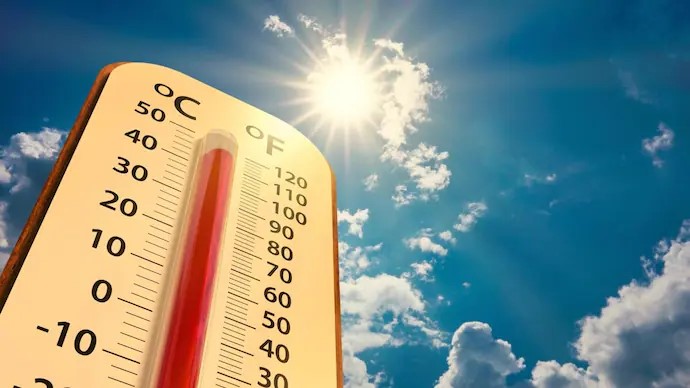
Discover how summer heat affects the body and learn the difference between being overheated and having a fever. This guide provides practical tips on how to correctly measure body temperature in hot weather and highlights the features of UTECH Medical’s UTM10 infrared thermometer, including its one-second, non-contact measurement, 30-reading memory, and reliable accuracy for home and public safety.
Too Hot? Check Your Temperature the Right Way This Summer

UTECH Medical conducts customs declaration and Certificate of Origin (COO) training to strengthen employees' export knowledge and provide global customers with more efficient medical equipment transaction support.
UTMI Training Strengthens Customs Expertise and Customer Service

Learn key facts about Marburg virus disease (MVD), a rare but severe hemorrhagic fever caused by a Filoviridae RNA virus. Discover how the virus spreads from Egyptian rousette bats to humans, its initial symptoms—including high fever, bleeding, and organ failure—and current laboratory diagnosis methods like RT-PCR. Explore supportive care treatments, prevention strategies
Marburg virus disease