
Sleep Assessment in Critically Ill Adults
2022-08-01

Sleep in adult patients in the ICU is severely disturbed and typically short, light and fragmented. In addition, interventions in the ICU such as sedation, ventilation and illness can alter sleep characteristics. Some of the most common causes of sleep disruption include environmental factors such as noise and light; physiologic factors, such as pain, immobility, discomfort and coughing; care-related factors, such as nursing care and medication, psychologic factors, and the severity of illness.
Disturbed sleep is associated with cognitive impairment, delirium, increased duration of mechanical ventilation, altered immune function and long-term psychological comorbidities. All these factors can contribute to increased morbidity and mortality.
In a recent analysis, researchers provide a detailed characterisation of sleep disruption in critically ill patients and explore its effects on patient outcomes in the ICU. They offer an overview of sleep assessment methods to characterise sleep disruption in ICU patients compared to normal sleep and assess the impact of additional ICU factors such as mechanical ventilation and sedation on sleep.
The reference standard to assess sleep quality is polysomnography (PSG), but its use can be costly and logistically challenging. Other sleep assessment tools such as biosignals and sleep questionnaires are often used in the ICU. Actigraphy is also a reliable alternative to PSG and could be a more feasible tool to measure sleep quality. The Richards Campbell Sleep Questionnaire (RCSQ) also provides information that correlates with PSG, but this tool is more reliable when assessed by the patient.
Researchers included 132 studies (with 8797 patients) and identified 15 sleep assessment methods. Only two of these methods were validated. Patients included in the analysis had significant sleep disruption with low sleep time and a low proportion of restorative rapid eye movement.
The researchers compared their pooled data to normal data using PSG, RCSQ and actigraphy. PSG data showed that critically ill patients had a significantly lower sleep quality. Actigraphy values also found that patients in the ICU had a lower total sleep time, sleep efficiency and a higher wake after sleep onset. A score of <50 on the RCSQ was found for the total RCSQ score, sleep depth, awakening, and quality (an RCSQ socre of 0-25 qualifies as very poor sleep, 26-50 as poor sleep, 51-75 as good sleep and 76-199 as very good sleep).
The analysis showed that sedation was associated with higher sleep efficiency and better sleep time. Medical patients had better sleep quality compared to surgical patients. Similarly, patients on ventilation had a higher amount of light sleep. Sedation, mechanical ventilation and type of ICU admission (surgical, medical or trauma) significantly affected sleep characteristics.
Overall, sleep in critically ill patients in the ICU is severely disturbed. Actigraphy and RCSQ are reliable alternatives to PSG.
Source: Journal of Critical Care
Image Credit: iStock
«« Clinical Outcomes With and Without Direct Discharge Home
Impact of Health Information Technology in Acute Care Settings »»
References:
Kakar E, Priester M, Wessels P et al. (2022) Sleep assessment in critically ill adults: A systematic review and meta-analysis. Journal of Critical Care. //doi.org/10.1016/j.jcrc.2022.154102
Published on : Mon, 25 Jul 2022
ICU, critically ill patients, actigraphy, sleep assessment, PSG, RCSQ
Understanding capnography waveforms
What should be paid attention to in non-invasive blood pressure monitoring?
Related Article

Discover how summer heat affects the body and learn the difference between being overheated and having a fever. This guide provides practical tips on how to correctly measure body temperature in hot weather and highlights the features of UTECH Medical’s UTM10 infrared thermometer, including its one-second, non-contact measurement, 30-reading memory, and reliable accuracy for home and public safety.
Too Hot? Check Your Temperature the Right Way This Summer
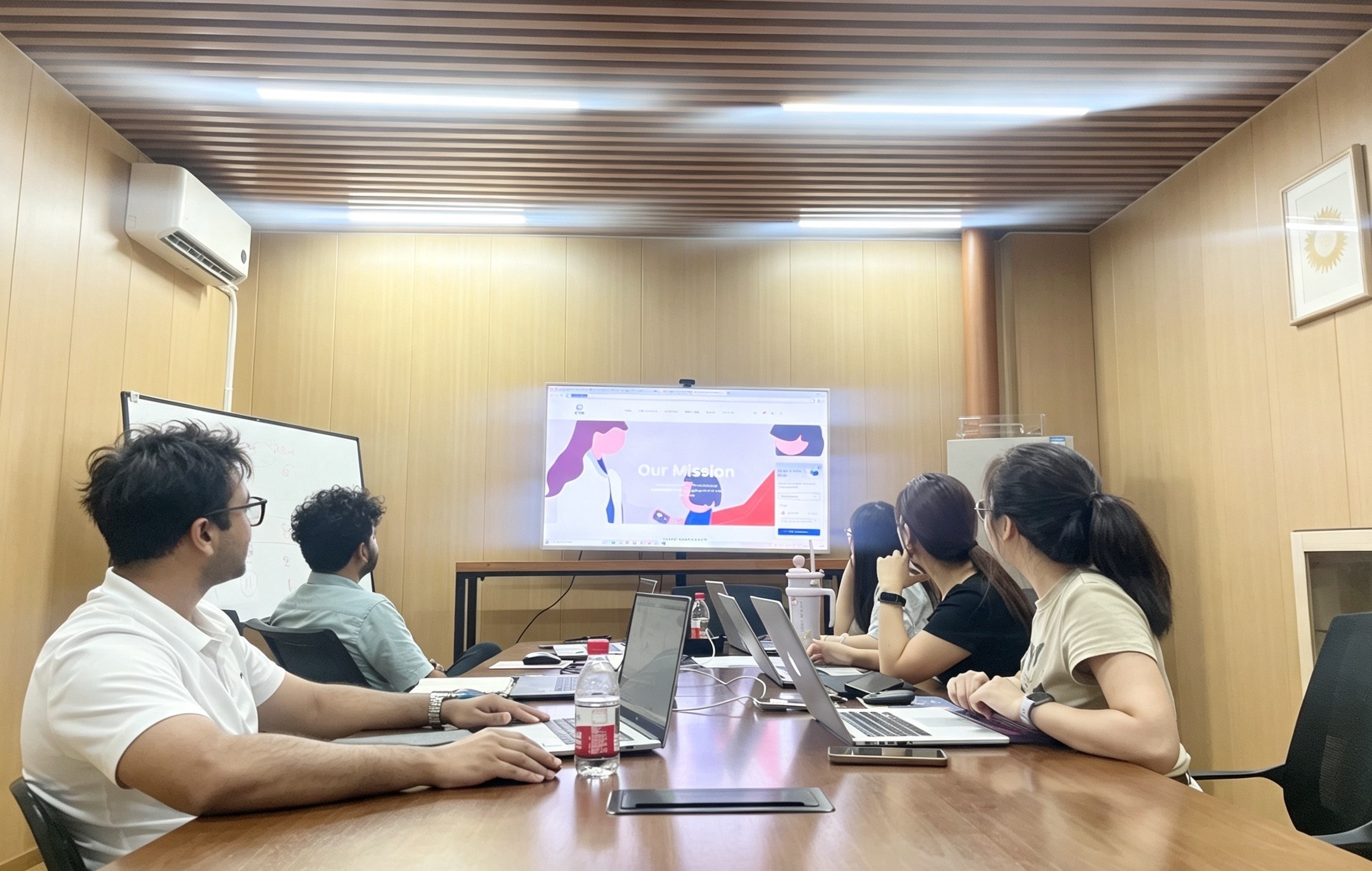
UTECH Medical conducts customs declaration and Certificate of Origin (COO) training to strengthen employees' export knowledge and provide global customers with more efficient medical equipment transaction support.
UTMI Training Strengthens Customs Expertise and Customer Service

Learn key facts about Marburg virus disease (MVD), a rare but severe hemorrhagic fever caused by a Filoviridae RNA virus. Discover how the virus spreads from Egyptian rousette bats to humans, its initial symptoms—including high fever, bleeding, and organ failure—and current laboratory diagnosis methods like RT-PCR. Explore supportive care treatments, prevention strategies
Marburg virus disease