
Notice for non-invasive blood pressure measurement
author: Tyler Wang
2022-06-13
Notice for non-invasive blood pressure measurement
The force acting vertically by blood flow in the blood vessel per unit area of the blood wall is called blood pressure. The value of blood pressure is the difference between the absolute pressure of the blood on the vessel wall and the atmospheric pressure. The maximum value of blood pressure in each cardiac cycle is systolic blood pressure, the minimum value is diastolic blood pressure, and the integral mean
value is mean blood pressure.
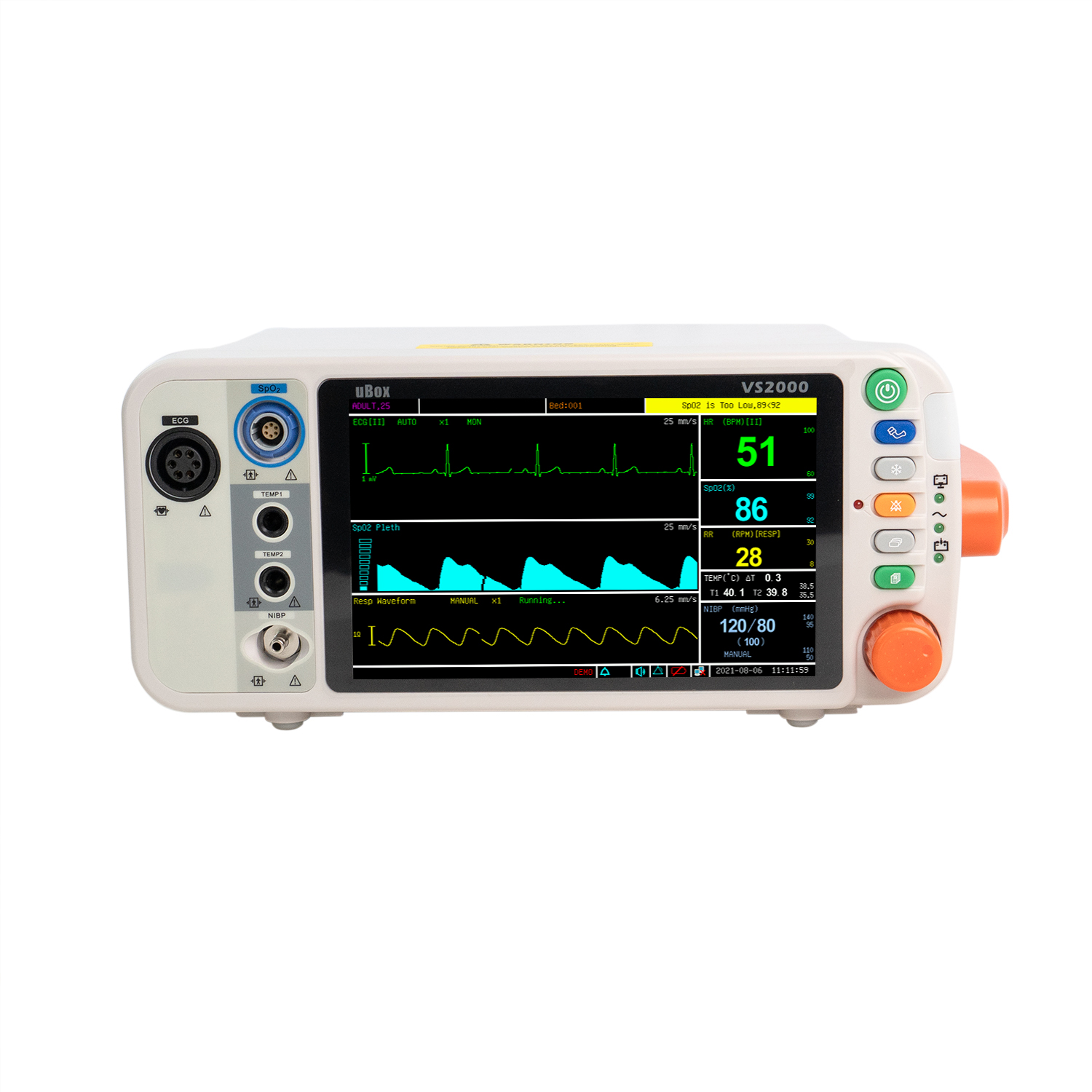
Notice for Cuffs
1. Make sure the cuff is fully deflated. Apply an appropriately sized cuff to the patient, ensuring that the marker is positioned over the appropriate artery;
2.Make sure the band is not too tight around the limb, otherwise it may cause the distal end of the limb to become discolored or even worse. to ischemia;
3. The measurement site should be kept level with the heart (right atrium) and abducted 45 degrees.

Notice for non-invasive blood pressure measurement
1. Confirm whether the patient type is correct;
2. During the measurement process, the arm should not be squeezed, unable to move, shivering or spasm, rapid changes in blood pressure, severe shock or hypothermia, otherwise the measurement will be unreliable or even impossible;
3. Unless the condition requires, it is not necessary to measure blood pressure frequently. Frequent measurements will affect the accuracy of the results;
4. If the patient is connected with an artificial heart-lung machine, the measurement will not be performed;
5. There should be no thick barrier (such as clothing, especially cotton wool clothes) between the sleeve and the body surface;
6. The pressure measurement cannot be performed when the heart rate is lower than 40bpm (heartbeat/min) and higher than 240bpm (heartbeat/min);
7. Severe hypertension: the systolic blood pressure exceeds 250mmHg, the blood flow cannot be completely blocked, and the cuff may continue to rush, and the blood pressure cannot be measured;
8. Do not install cuffs on limbs with intravenous fluids or catheters. During cuff inflation, when the infusion is slowed or blocked, damage to the catheter circumference can result;
9. Drug effects;
10. Arrhythmia: If the patient shows arrhythmia and causes irregular heartbeat, The measurement will be unreliable or impossible, and the pressure measurement time will be extended.
The force acting vertically by blood flow in the blood vessel per unit area of the blood wall is called blood pressure. The value of blood pressure is the difference between the absolute pressure of the blood on the vessel wall and the atmospheric pressure. The maximum value of blood pressure in each cardiac cycle is systolic blood pressure, the minimum value is diastolic blood pressure, and the integral mean
value is mean blood pressure.
Notice for Cuffs
1. Make sure the cuff is fully deflated. Apply an appropriately sized cuff to the patient, ensuring that the marker is positioned over the appropriate artery;
2.Make sure the band is not too tight around the limb, otherwise it may cause the distal end of the limb to become discolored or even worse. to ischemia;
3. The measurement site should be kept level with the heart (right atrium) and abducted 45 degrees.
Notice for non-invasive blood pressure measurement
1. Confirm whether the patient type is correct;
2. During the measurement process, the arm should not be squeezed, unable to move, shivering or spasm, rapid changes in blood pressure, severe shock or hypothermia, otherwise the measurement will be unreliable or even impossible;
3. Unless the condition requires, it is not necessary to measure blood pressure frequently. Frequent measurements will affect the accuracy of the results;
4. If the patient is connected with an artificial heart-lung machine, the measurement will not be performed;
5. There should be no thick barrier (such as clothing, especially cotton wool clothes) between the sleeve and the body surface;
6. The pressure measurement cannot be performed when the heart rate is lower than 40bpm (heartbeat/min) and higher than 240bpm (heartbeat/min);
7. Severe hypertension: the systolic blood pressure exceeds 250mmHg, the blood flow cannot be completely blocked, and the cuff may continue to rush, and the blood pressure cannot be measured;
8. Do not install cuffs on limbs with intravenous fluids or catheters. During cuff inflation, when the infusion is slowed or blocked, damage to the catheter circumference can result;
9. Drug effects;
10. Arrhythmia: If the patient shows arrhythmia and causes irregular heartbeat, The measurement will be unreliable or impossible, and the pressure measurement time will be extended.
PARAMETER PROBLEMS AND SOLUTIONS OF VETERINARY PATIENT MONITORS ——NIBP IS UNSTABLE
What is the normal body temperature?
Related Article

Discover how summer heat affects the body and learn the difference between being overheated and having a fever. This guide provides practical tips on how to correctly measure body temperature in hot weather and highlights the features of UTECH Medical’s UTM10 infrared thermometer, including its one-second, non-contact measurement, 30-reading memory, and reliable accuracy for home and public safety.
Too Hot? Check Your Temperature the Right Way This Summer

UTECH Medical conducts customs declaration and Certificate of Origin (COO) training to strengthen employees' export knowledge and provide global customers with more efficient medical equipment transaction support.
UTMI Training Strengthens Customs Expertise and Customer Service

Learn key facts about Marburg virus disease (MVD), a rare but severe hemorrhagic fever caused by a Filoviridae RNA virus. Discover how the virus spreads from Egyptian rousette bats to humans, its initial symptoms—including high fever, bleeding, and organ failure—and current laboratory diagnosis methods like RT-PCR. Explore supportive care treatments, prevention strategies
Marburg virus disease