
Factors Affecting ECG Signal Quality
2022-06-17
Factors Affecting ECG Signal Quality
In each cardiac cycle, the heart is excited successively by the pacemaker, atrium, and ventricle, accompanied by changes in bioelectricity, which are called ECG.
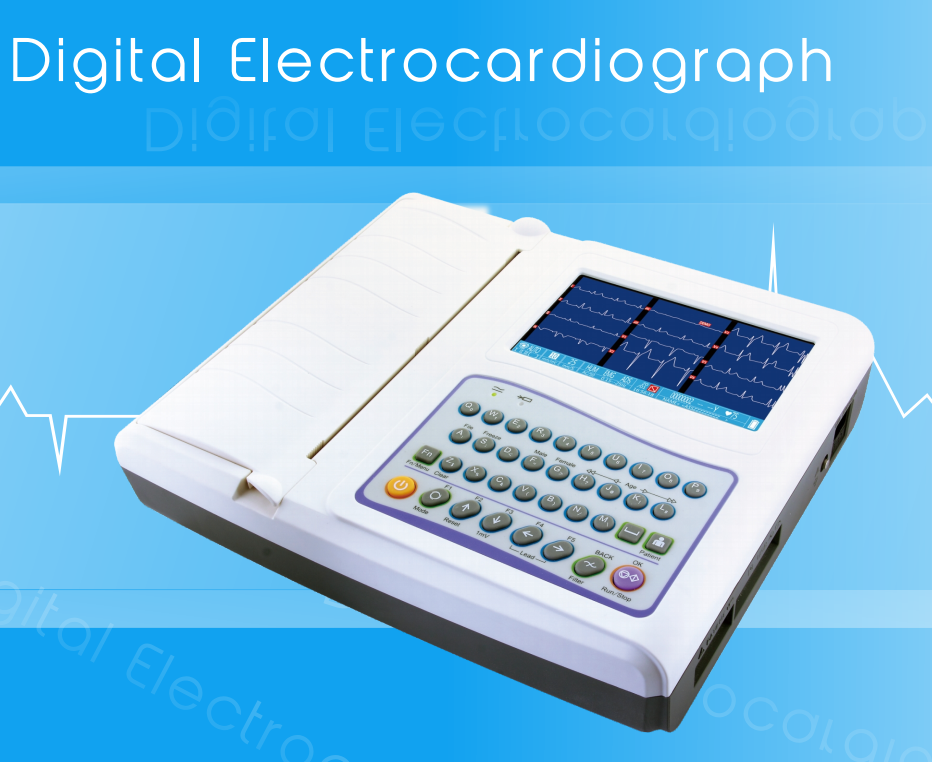
Characteristics when the ECG signal is affected: Many burrs are superimposed on the ECG signal, and the QRS complex cannot be observed in severe cases. The main reasons are as follows:
1. Correctly place the ECG electrodes.
2. There is no external ground wire or the ground wire is not good, resulting in poor system grounding.
3. The interference waveform is not filtered.
4. Interference of surgical electrical equipment
5. The ECG electrodes are not placed properly. Reposition the pads.
6. Do not use expired or reusable public electrodes.
7. Unclean skin or excessive hair and dander lead to poor electrode contact.
8. EMG interference.
9. Movement interference. Movement of the patient's body can cause poor electrode contact.
10. Interference of high frequency electric knife.
11. Frequent interference.
The operation of the patient monitor
Factors of abnormal changes in heart rate and daily care
Related Article

Discover how summer heat affects the body and learn the difference between being overheated and having a fever. This guide provides practical tips on how to correctly measure body temperature in hot weather and highlights the features of UTECH Medical’s UTM10 infrared thermometer, including its one-second, non-contact measurement, 30-reading memory, and reliable accuracy for home and public safety.
Too Hot? Check Your Temperature the Right Way This Summer

UTECH Medical conducts customs declaration and Certificate of Origin (COO) training to strengthen employees' export knowledge and provide global customers with more efficient medical equipment transaction support.
UTMI Training Strengthens Customs Expertise and Customer Service

Learn key facts about Marburg virus disease (MVD), a rare but severe hemorrhagic fever caused by a Filoviridae RNA virus. Discover how the virus spreads from Egyptian rousette bats to humans, its initial symptoms—including high fever, bleeding, and organ failure—and current laboratory diagnosis methods like RT-PCR. Explore supportive care treatments, prevention strategies
Marburg virus disease