
Clinical application scope of monitor
2022-06-01
Clinical application scope of Patient monitor
The monitor is a device or system to measure and control the patient's physiological parameters, compare them with the known set values, and give an alarm in case of exceeding the standard. The monitor is different from the monitoring diagnostic instrument. It must continuously monitor the patient's physiological parameters for 24 hours, detect the change trend, point out the critical situation, and provide the basis for the doctor's emergency treatment and treatment, so as to minimize the complications and achieve the purpose of alleviating and eliminating the disease.
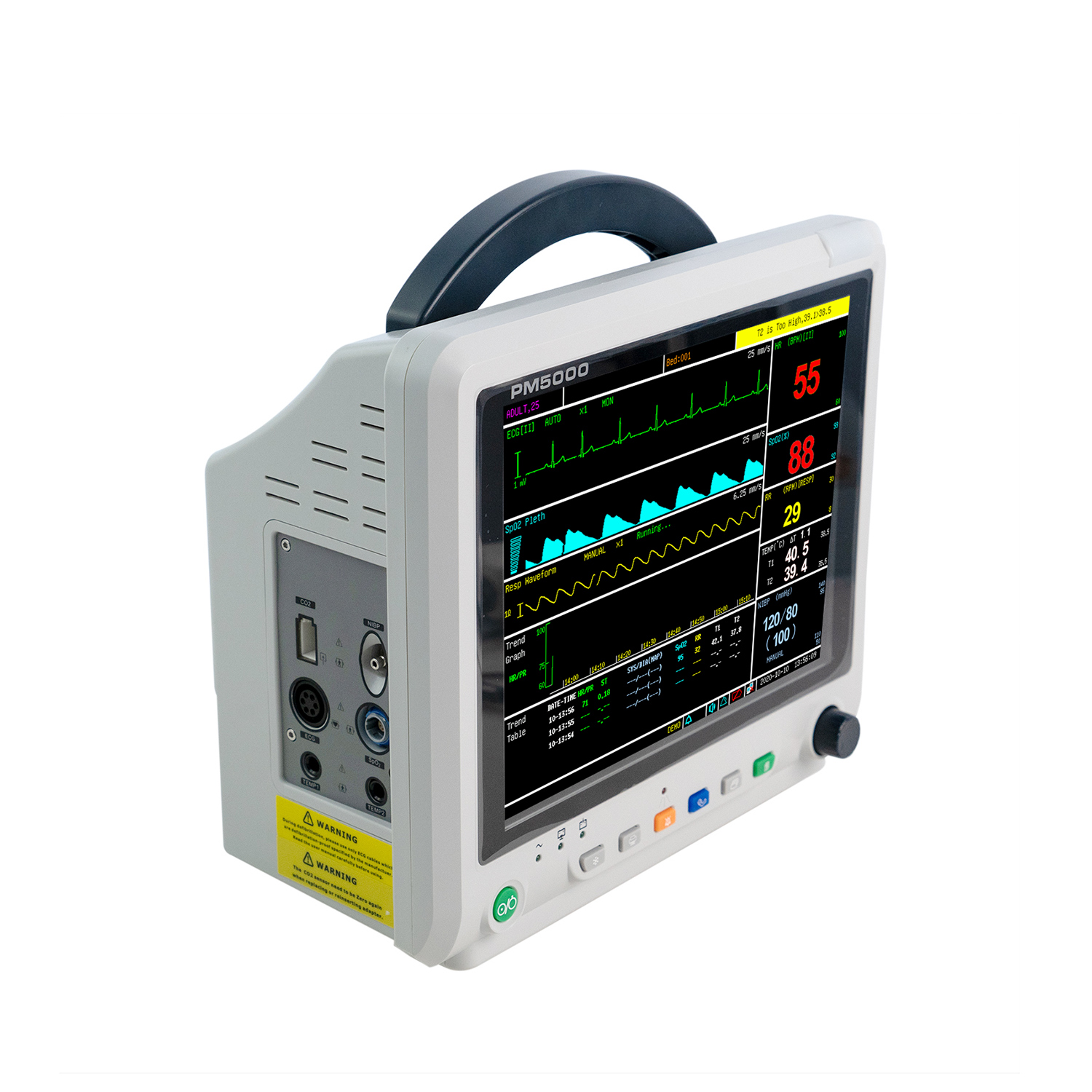
The purpose of the monitor is not only to measure and monitor physiological parameters, but also to monitor and deal with medication and conditions before and after surgery.The standard 6 parameters of the monitor are ECG, respiration, noninvasive blood pressure, blood oxygen saturation, pulse and body temperature. In addition, the optional parameters include: invasive blood pressure, end respiratory carbon dioxide, respiratory mechanics, anesthetic gas, cardiac output (invasive and non-invasive), bispectral index of EEG, etc.
Clinical application scope of the monitor: in operation, after operation, trauma care, coronary heart disease, critically ill patients, newborns, premature infants, hyperbaric oxygen chamber, delivery room, etc.According to the structure, it is divided into four categories: portable monitor, plug-in monitor, telemetry monitor Holter (24-hour ambulatory electrocardiogram) ECG monitor.It is divided into three categories according to its functions: bedside Patient monitor, central monitor and out of hospital Patient monitor .
Bedside monitor is an instrument set at the bedside and connected with the patient. It can continuously monitor various physiological parameters or some states of the patient, display alarms or record them. It can also work as a whole with the central patient monitor.
The central monitor, also known as the central system monitor, is composed of a main monitor and several bedside monitors. The main monitor can control the work of each bedside monitor and monitor the conditions of multiple monitored objects at the same time. One of its important tasks is to complete the automatic recording of various abnormal physiological parameters and medical records.Out of hospital Patient monitor (telemetry monitor) is a small electronic monitor that allows patients to carry around. It can continuously monitor certain physiological parameters of patients inside and outside the hospital for non real-time inspection by doctors.
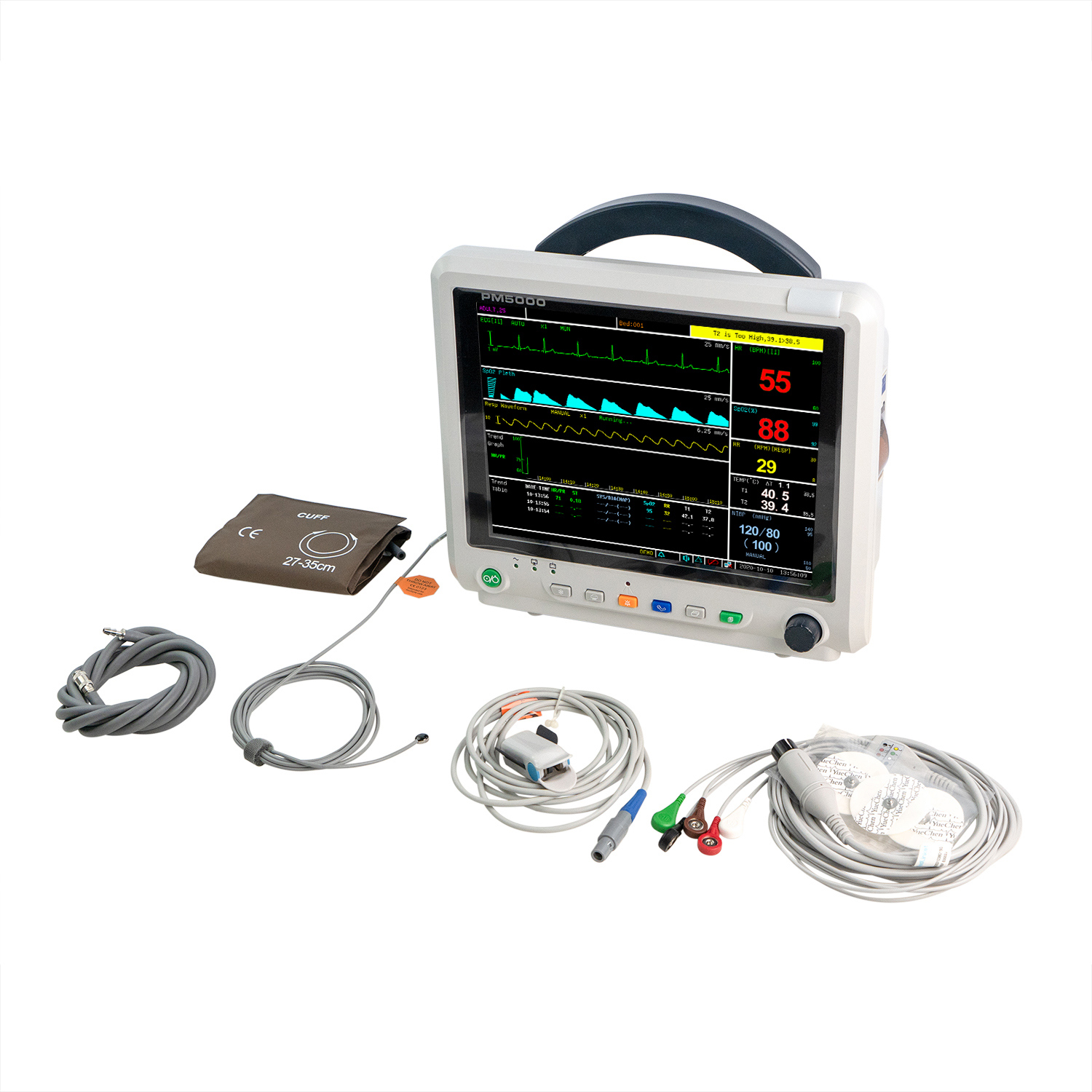
Significance and function of patient monitor:
The monitor is different from the monitoring diagnostic instrument. It must continuously monitor the patient's physiological parameters for 24 hours, detect the change trend, point out the critical situation, and provide the basis for the doctor's emergency treatment and treatment, so as to minimize the complications and achieve the purpose of alleviating and eliminating the disease.The purpose of the monitor is not only to measure and monitor physiological parameters, but also to monitor and deal with medication and conditions before and after surgery.
The standard 6 parameters of the monitor are ECG, respiration, noninvasive blood pressure, blood oxygen saturation, pulse and body temperature. In addition, optional parameters include: Invasive blood pressure, end of breath carbon dioxide, respiratory mechanics, anesthetic gas, cardiac output (invasive and non-invasive), bispectral index of EEG, etc.Clinical application scope of the monitor: in operation, after operation, trauma care, coronary heart disease, critically ill patients, newborns, premature infants, hyperbaric oxygen chamber, delivery room, etc.
Evolved role of the cardiovascular intensive care unit (CICU)
The Introduction of Ventilatory Failure
Related Article

Discover how summer heat affects the body and learn the difference between being overheated and having a fever. This guide provides practical tips on how to correctly measure body temperature in hot weather and highlights the features of UTECH Medical’s UTM10 infrared thermometer, including its one-second, non-contact measurement, 30-reading memory, and reliable accuracy for home and public safety.
Too Hot? Check Your Temperature the Right Way This Summer

UTECH Medical conducts customs declaration and Certificate of Origin (COO) training to strengthen employees' export knowledge and provide global customers with more efficient medical equipment transaction support.
UTMI Training Strengthens Customs Expertise and Customer Service

Learn key facts about Marburg virus disease (MVD), a rare but severe hemorrhagic fever caused by a Filoviridae RNA virus. Discover how the virus spreads from Egyptian rousette bats to humans, its initial symptoms—including high fever, bleeding, and organ failure—and current laboratory diagnosis methods like RT-PCR. Explore supportive care treatments, prevention strategies
Marburg virus disease