
Air Pollution Linked to Arrhythmias
2022-08-02
Life-threatening arrhythmias are more common on days with highly polluted air, according to research presented at Heart Failure 2022, a scientific congress of the European Society of Cardiology (ESC).
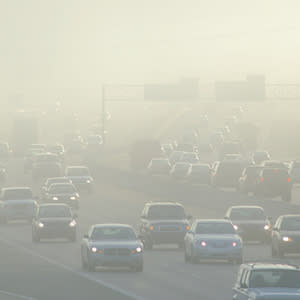
According to the World Health Organization (WHO), air pollution kills nearly 4.2 million people every year. One in five cardiovascular disease deaths is due to dirty air. It is ranked as the fourth-highest risk factor for mortality after high blood pressure, smoking and poor diet.
The study included 146 patients who received an ICD between January 2013 and December 2017. Over half of the patients had never experienced a ventricular arrhythmia, and 67 patients had previously had a ventricular arrhythmia. Daily levels of PM10, PM2.5, carbon monoxide (CO), nitrogen dioxide (NO2) and ozone (O3) were obtained from Regional Environmental Protection Agency (ARPA) monitoring stations. Patients were assigned exposures based on their home addresses. The researchers analysed the association between pollutant concentrations and ventricular arrhythmias.
A total of 440 ventricular arrhythmias were recorded during the study period, of which 322 were treated with anti-tachycardia pacing, and 118 were treated with a shock. The researchers found a significant association between PM2.5 levels and ventricular arrhythmias treated with shocks, corresponding to a 1.5% increased risk for each 1 μg/m3 rise in PM2.5. They also found that when PM2.5 concentrations were elevated by 1 μg/m3 for an entire week, compared to average levels, there was a 2.4% higher likelihood of ventricular arrhythmias regardless of the temperature. When PM10 was 1 μg/m3 above average for a week, there was a 2.1% raised risk of arrhythmias.
Study author Dr Alessia Zanni of Maggiore Hospital, Bologna, Italy, says, “When particular matter (PM) 2.5 and PM 10 concentrations are high (above 35 μg/m3 and 50 μg/m3, respectively), it would be sensible to stay indoors as much as possible and wear an N95 mask outside, particularly in areas of heavy traffic. An air purifier can be used at home.”
Dr. Zanni concluded: “These data confirm that environmental pollution is not only a climate emergency but also a public health problem. The study suggests that the survival of patients with heart disease is affected not only by pharmacological therapies and advances in cardiology but also by the air that they breathe.”
Source: ESC
Image Credit: iStock
According to the World Health Organization (WHO), air pollution kills nearly 4.2 million people every year. One in five cardiovascular disease deaths is due to dirty air. It is ranked as the fourth-highest risk factor for mortality after high blood pressure, smoking and poor diet.
The study included 146 patients who received an ICD between January 2013 and December 2017. Over half of the patients had never experienced a ventricular arrhythmia, and 67 patients had previously had a ventricular arrhythmia. Daily levels of PM10, PM2.5, carbon monoxide (CO), nitrogen dioxide (NO2) and ozone (O3) were obtained from Regional Environmental Protection Agency (ARPA) monitoring stations. Patients were assigned exposures based on their home addresses. The researchers analysed the association between pollutant concentrations and ventricular arrhythmias.
A total of 440 ventricular arrhythmias were recorded during the study period, of which 322 were treated with anti-tachycardia pacing, and 118 were treated with a shock. The researchers found a significant association between PM2.5 levels and ventricular arrhythmias treated with shocks, corresponding to a 1.5% increased risk for each 1 μg/m3 rise in PM2.5. They also found that when PM2.5 concentrations were elevated by 1 μg/m3 for an entire week, compared to average levels, there was a 2.4% higher likelihood of ventricular arrhythmias regardless of the temperature. When PM10 was 1 μg/m3 above average for a week, there was a 2.1% raised risk of arrhythmias.
Study author Dr Alessia Zanni of Maggiore Hospital, Bologna, Italy, says, “When particular matter (PM) 2.5 and PM 10 concentrations are high (above 35 μg/m3 and 50 μg/m3, respectively), it would be sensible to stay indoors as much as possible and wear an N95 mask outside, particularly in areas of heavy traffic. An air purifier can be used at home.”
Dr. Zanni concluded: “These data confirm that environmental pollution is not only a climate emergency but also a public health problem. The study suggests that the survival of patients with heart disease is affected not only by pharmacological therapies and advances in cardiology but also by the air that they breathe.”
Source: ESC
Image Credit: iStock
Introduction of multi-parameter patient monitors
Understanding capnography waveforms
Related Article
Discover how summer heat affects the body and learn the difference between being overheated and having a fever. This guide provides practical tips on how to correctly measure body temperature in hot weather and highlights the features of UTECH Medical’s UTM10 infrared thermometer, including its one-second, non-contact measurement, 30-reading memory, and reliable accuracy for home and public safety.
Too Hot? Check Your Temperature the Right Way This Summer

UTECH Medical conducts customs declaration and Certificate of Origin (COO) training to strengthen employees' export knowledge and provide global customers with more efficient medical equipment transaction support.
UTMI Training Strengthens Customs Expertise and Customer Service

Learn key facts about Marburg virus disease (MVD), a rare but severe hemorrhagic fever caused by a Filoviridae RNA virus. Discover how the virus spreads from Egyptian rousette bats to humans, its initial symptoms—including high fever, bleeding, and organ failure—and current laboratory diagnosis methods like RT-PCR. Explore supportive care treatments, prevention strategies
Marburg virus disease