
What is the normal body temperature?
author: Tyler Wang
2022-06-10
What is the normal body temperature?
The body temperature of healthy people is relatively constant.
When the body temperature exceeds the upper limit of normal body temperature, it is called fever, which is commonly referred to as fever. The traditional concept holds that the normal body temperature is 37°C, but due to the influence of factors such as the test site, time, season and individual differences, it is now believed that the normal body temperature cannot be simply represented by a number 37°C. Body temperature measurement and normal fluctuations 1. Body temperature measurement The normal body temperature is slightly different depending on the test site. Commonly used body temperatures include: oral temperature, rectal temperature, and axillary temperature. (1) Oral temperature Place the thermometer under the patient's tongue, close the mouth for about 3 minutes, and take it out. The normal range is 36.3 ℃ ~ 37.2 ℃; (2) The rectal temperature measurement method is to sterilize the thermometer, apply lubricating oil, and then insert it into the anus , take it out after three minutes, its normal value is about 0.3 ℃ ~ 0.5 ℃ higher than the oral temperature; (3) the axillary temperature is the most commonly used temperature measurement method because of its convenient and hygienic measurement. The value is read after five minutes. The normal range is 36.1°C to 37°C, which is about 0.2°C to 0.4°C lower than the oral temperature. Remember not to mix up the normal values of the three measurement methods when measuring body temperature.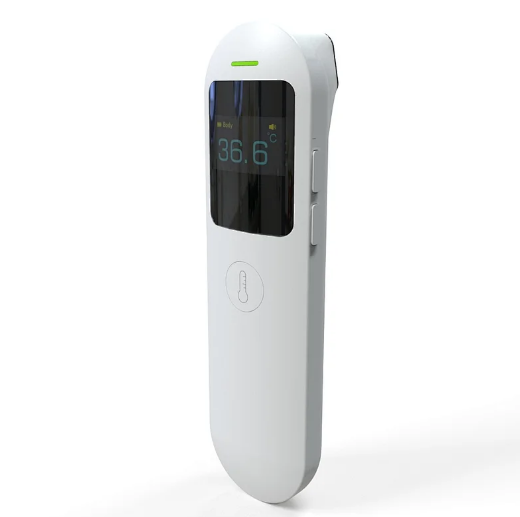
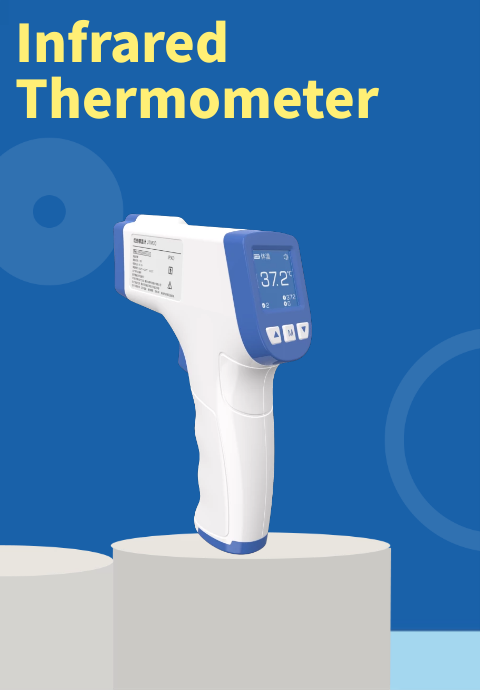
2. The normal change of body temperature Under the action of internal and external factors, the body temperature may change slightly within the normal range. For example, the body temperature in the afternoon is relatively higher than that in the morning, but the difference is generally less than 1°C; after eating, labor or strenuous exercise, Body temperature may also increase slightly; sudden entry into a high temperature environment or emotional agitation can also cause body temperature to increase slightly; women's body temperature is slightly higher than normal during ovulation and pregnancy. There are also slight differences in body temperature at different ages. For example, children have a higher body temperature than adults due to their high metabolic rate; elderly people have a slightly lower body temperature than young adults due to their low metabolic rate.

Fever
In people's body, there are parts (cerebral cortex and hypothalamus) specially responsible for managing thermoregulation, which we call thermoregulation center. It regulates the body's heat production and heat dissipation process through factors such as nerves and body fluids, so that body temperature fluctuates within Within the normal range, the body temperature of healthy people can remain relatively constant. Some foreign or endogenous substances can act on the thermoregulatory center, destroying the dynamic balance between heat production and heat dissipation, and the body will manifest as fever. Medicine refers to these substances that can cause fever as pyrogens. Of course, the dysfunction of the thermoregulatory center itself can also cause fever. According to the degree of fever (oral temperature), it can be divided into: low fever: 37.4 ℃ ~ 38 ℃; moderate fever: 38.1 ℃ ~ 39 ℃; high fever: 39.1 ℃ ~ 41 ℃; ultra-high fever: above 41 ℃. Because the body's heat energy mainly comes from skeletal muscle, under the action of pyrogen, skeletal muscle contraction is particularly strong, so patients often have fear of cold, chills, followed by high fever before body temperature rises. Fever itself is not a disease, it is just a clinical manifestation of a certain disease. When taking symptomatic treatment for fever, don’t forget to take further treatment according to the cause of the fever, and go to the hospital for treatment if necessary.
The body temperature of healthy people is relatively constant.
When the body temperature exceeds the upper limit of normal body temperature, it is called fever, which is commonly referred to as fever. The traditional concept holds that the normal body temperature is 37°C, but due to the influence of factors such as the test site, time, season and individual differences, it is now believed that the normal body temperature cannot be simply represented by a number 37°C. Body temperature measurement and normal fluctuations 1. Body temperature measurement The normal body temperature is slightly different depending on the test site. Commonly used body temperatures include: oral temperature, rectal temperature, and axillary temperature. (1) Oral temperature Place the thermometer under the patient's tongue, close the mouth for about 3 minutes, and take it out. The normal range is 36.3 ℃ ~ 37.2 ℃; (2) The rectal temperature measurement method is to sterilize the thermometer, apply lubricating oil, and then insert it into the anus , take it out after three minutes, its normal value is about 0.3 ℃ ~ 0.5 ℃ higher than the oral temperature; (3) the axillary temperature is the most commonly used temperature measurement method because of its convenient and hygienic measurement. The value is read after five minutes. The normal range is 36.1°C to 37°C, which is about 0.2°C to 0.4°C lower than the oral temperature. Remember not to mix up the normal values of the three measurement methods when measuring body temperature.
2. The normal change of body temperature Under the action of internal and external factors, the body temperature may change slightly within the normal range. For example, the body temperature in the afternoon is relatively higher than that in the morning, but the difference is generally less than 1°C; after eating, labor or strenuous exercise, Body temperature may also increase slightly; sudden entry into a high temperature environment or emotional agitation can also cause body temperature to increase slightly; women's body temperature is slightly higher than normal during ovulation and pregnancy. There are also slight differences in body temperature at different ages. For example, children have a higher body temperature than adults due to their high metabolic rate; elderly people have a slightly lower body temperature than young adults due to their low metabolic rate.
Fever
In people's body, there are parts (cerebral cortex and hypothalamus) specially responsible for managing thermoregulation, which we call thermoregulation center. It regulates the body's heat production and heat dissipation process through factors such as nerves and body fluids, so that body temperature fluctuates within Within the normal range, the body temperature of healthy people can remain relatively constant. Some foreign or endogenous substances can act on the thermoregulatory center, destroying the dynamic balance between heat production and heat dissipation, and the body will manifest as fever. Medicine refers to these substances that can cause fever as pyrogens. Of course, the dysfunction of the thermoregulatory center itself can also cause fever. According to the degree of fever (oral temperature), it can be divided into: low fever: 37.4 ℃ ~ 38 ℃; moderate fever: 38.1 ℃ ~ 39 ℃; high fever: 39.1 ℃ ~ 41 ℃; ultra-high fever: above 41 ℃. Because the body's heat energy mainly comes from skeletal muscle, under the action of pyrogen, skeletal muscle contraction is particularly strong, so patients often have fear of cold, chills, followed by high fever before body temperature rises. Fever itself is not a disease, it is just a clinical manifestation of a certain disease. When taking symptomatic treatment for fever, don’t forget to take further treatment according to the cause of the fever, and go to the hospital for treatment if necessary.
Notice for non-invasive blood pressure measurement
CO2 FAQs
Related Article

Discover how summer heat affects the body and learn the difference between being overheated and having a fever. This guide provides practical tips on how to correctly measure body temperature in hot weather and highlights the features of UTECH Medical’s UTM10 infrared thermometer, including its one-second, non-contact measurement, 30-reading memory, and reliable accuracy for home and public safety.
Too Hot? Check Your Temperature the Right Way This Summer

UTECH Medical conducts customs declaration and Certificate of Origin (COO) training to strengthen employees' export knowledge and provide global customers with more efficient medical equipment transaction support.
UTMI Training Strengthens Customs Expertise and Customer Service

Learn key facts about Marburg virus disease (MVD), a rare but severe hemorrhagic fever caused by a Filoviridae RNA virus. Discover how the virus spreads from Egyptian rousette bats to humans, its initial symptoms—including high fever, bleeding, and organ failure—and current laboratory diagnosis methods like RT-PCR. Explore supportive care treatments, prevention strategies
Marburg virus disease