
Is My Blood Oxygen Level Normal?

Health Education
Is My Blood Oxygen Level Normal?
Understanding Oxygen Saturation (SpO2) and Respiratory Health
Oxygen saturation (SpO2) measures how much oxygen your blood carries in comparison to its full capacity. In other words, it is an estimation of how much oxygen the hemoglobin in your red blood cells contains compared to how much it could hold.
Pulse oximetry devices represent this vital measurement using a simple percentage. While it is perfectly natural for your SpO2 to fluctuate throughout the day—especially when transitioning from resting to physical activity—keeping your blood oxygen level within a healthy range is vital for your overall well-being.
Your "Normal" SpO2 Range: What the Numbers Mean
According to the Mayo Clinic, a normal pulse oximeter reading for a healthy individual typically ranges from 95% to 100%. However, the definition of a "normal" blood oxygen level can vary significantly depending on your unique state of health.
| Patient Condition | SpO2 Level | Clinical Indication |
|---|---|---|
| Healthy Adult / Child | 95% – 100% | Normal, healthy lung function. |
| Acute Respiratory Illness | 92% or less | May indicate need for supplementation. |
| Stable Chronic Disease | 92% or less | Prompt referral for investigation. |
| Severe Low Oxygen | Under 90% | Critically low; seek medical attention. |
Note: If you are living with a chronic lung condition, always consult with your doctor to determine the personalized oxygen level range for your specific health status.
UT100 — Experience medical-grade precision anywhere. The UT100 is a sleek, portable pulse oximeter designed for both clinical reliability and home convenience. Whether performing spot-checks or continuous monitoring, its vivid 2.8-inch display ensures clear, accurate readings of your SpO2 and pulse rate. Learn more →
Symptoms of Low Blood Oxygen (Hypoxemia)
When your SpO2 levels drop below 90%, you may experience:
- Severe shortness of breath (dyspnea)
- Rapid or increased heart rate (tachycardia)
- Chest pain or tightness
- Headaches and confusion
Reliable Monitoring with UTECH
Choosing a pulse oximeter that is durable and easy to operate is essential. UTECH specializes in medical-grade monitoring solutions designed to provide stable, consistent measurements for tracking your health status over time.
Frequently Asked Questions
Is 92% a good oxygen level?
For a healthy adult, 92% or less is considered low. For patients with stable chronic illness, it may be a baseline, but you should discuss this with your doctor.
At what oxygen level should I be concerned?
Any reading that consistently falls below 90% is considered critically low and requires immediate medical attention.
Ready to manage your respiratory health with confidence?
Explore UTECH Solutions Too Hot? Check Your Temperature the Right Way This Summer
  Marburg virus disease
  Can Asthma Go Away Completely?
  tHIS ASEAN 2026: Southeast Asia Healthcare Exhibition and Medical Device Opportunities
  Ebola Outbreaks in Africa: Clinical Challenges, Supportive Care, and the Role of Patient Monitoring
 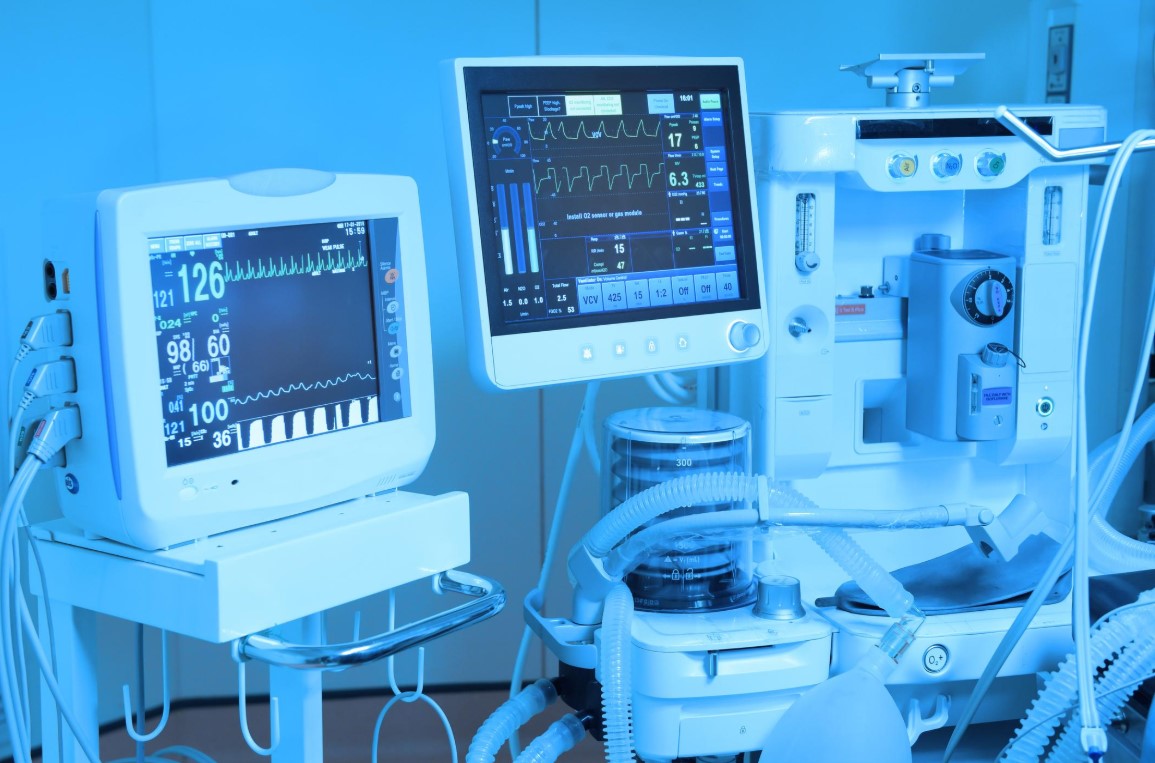 Why Is AI Making Medical Devices More Expensive? A Patient Monitor Case Study
  COPD Statistics 2026: Global Prevalence, Mortality, Risk Factors and Healthcare Costs
  Nocturnal Hypoxia and Cardiac Instability in Elderly Patients: The Clinical Value of Continuous Monitoring
  Watching the World Cup at Estadio Azteca? Why Your SpO2 Isn't Accurate?
  Breaking 2: What the 2026 London Marathon Record Tells Us About SpO2 and Your Training
 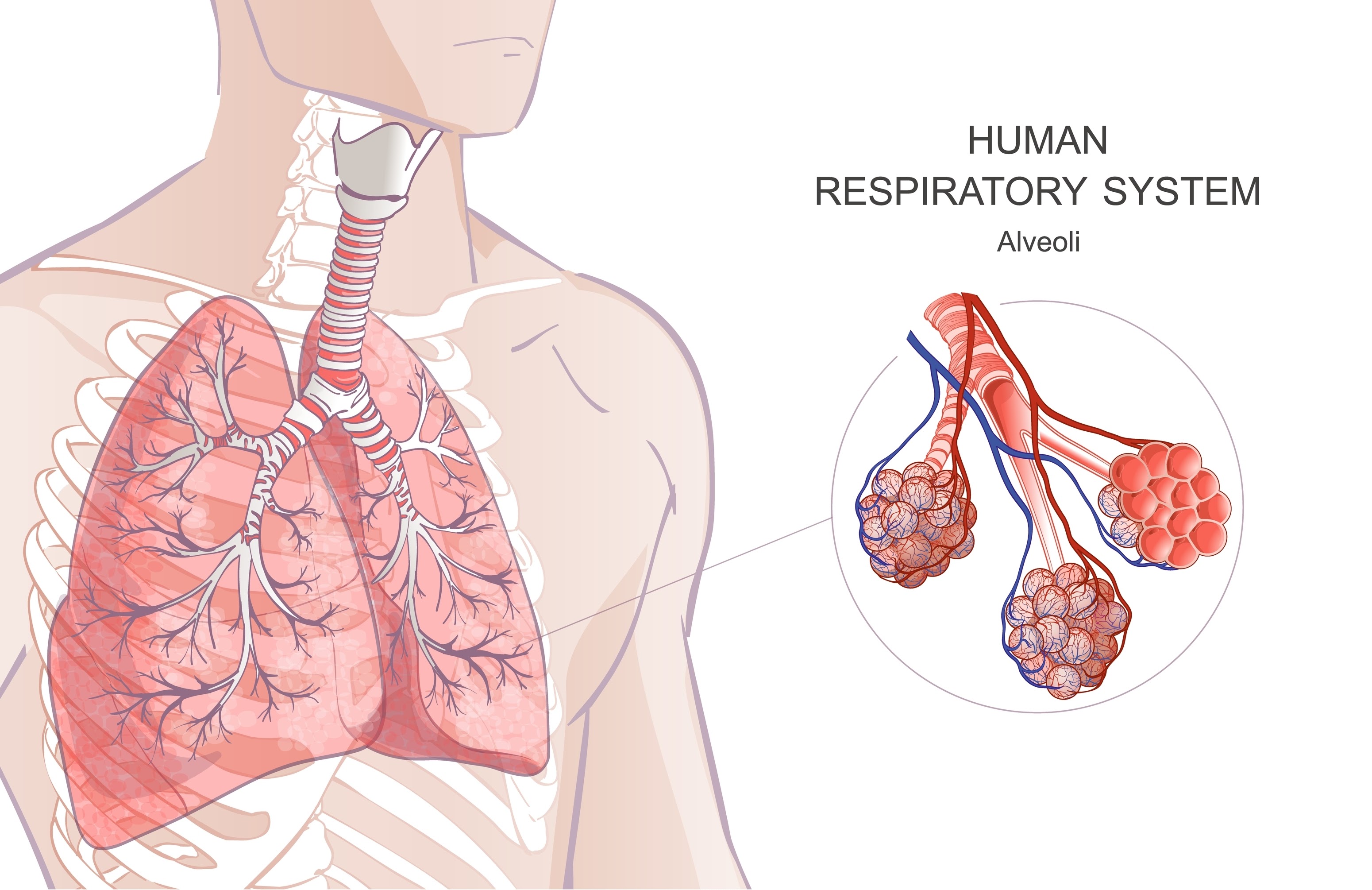 Normal Blood Oxygen Saturation Levels in Elderly vs Young Adults: What’s the Difference?
  More Than SpO₂ — What the Perfusion Index Truly Reveals
  Does Nail Polish Affect Pulse Oximeter Accuracy? — The Science Behind the Signal —
  Does Skin Tone Affect Pulse Oximeter Accuracy? -The Science Behind the Signal
 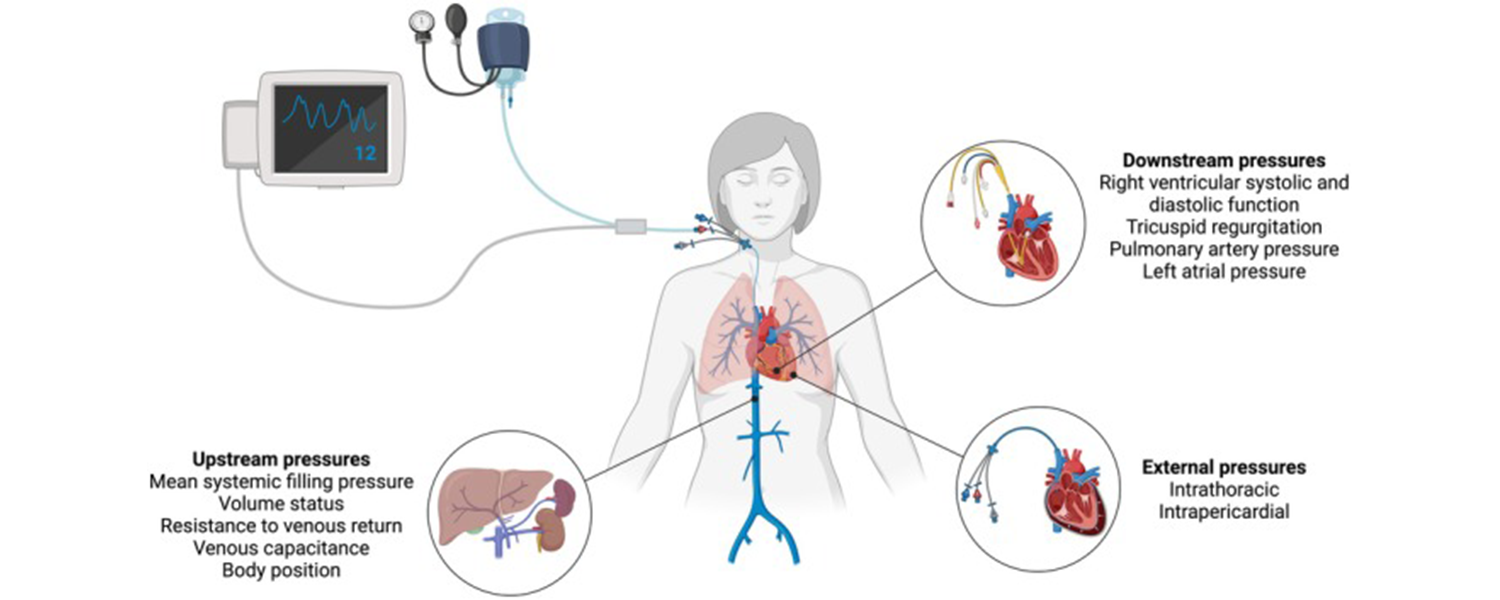 Rethinking Central Venous Pressure ( CVP) : From Traditional Marker to Part of Comprehensive Hemodynamic Assessment
  Understanding COPD and Why Oxygen Monitoring Matters More Than Ever
  Why Everyone Should Have a Pulse Oximeter
 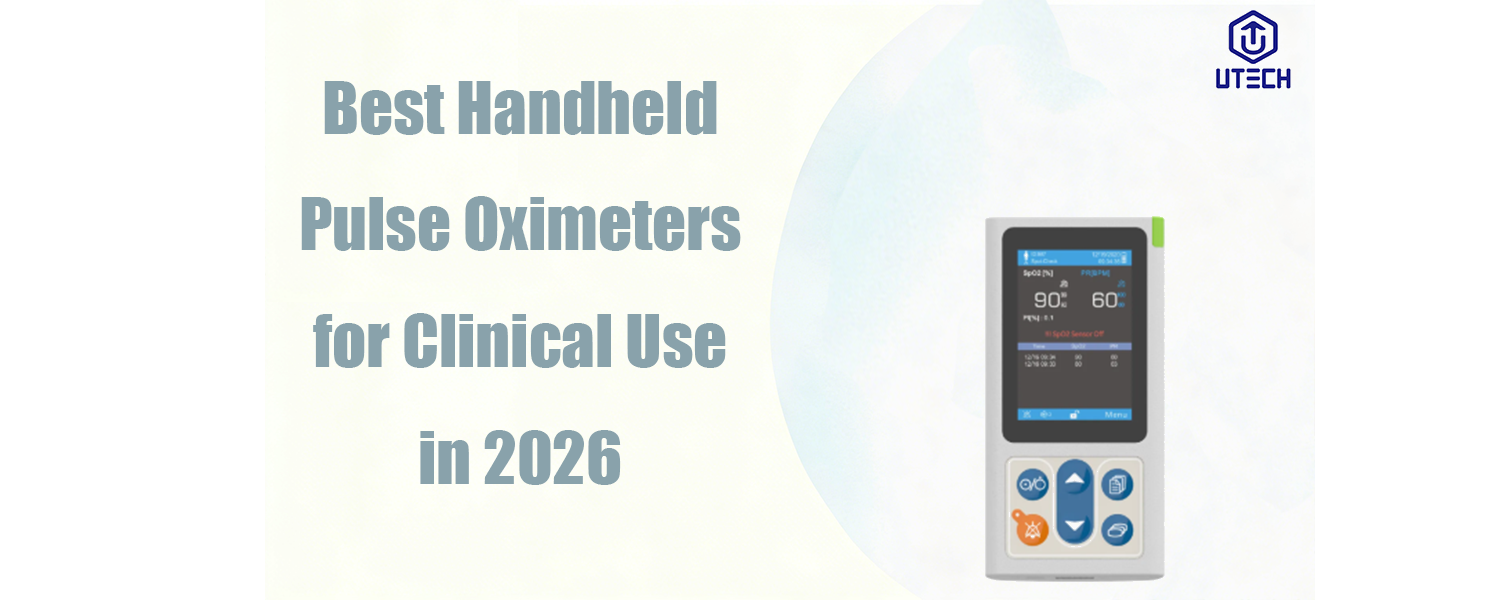 Best Handheld Pulse Oximeters for Clinical Use in 2026
 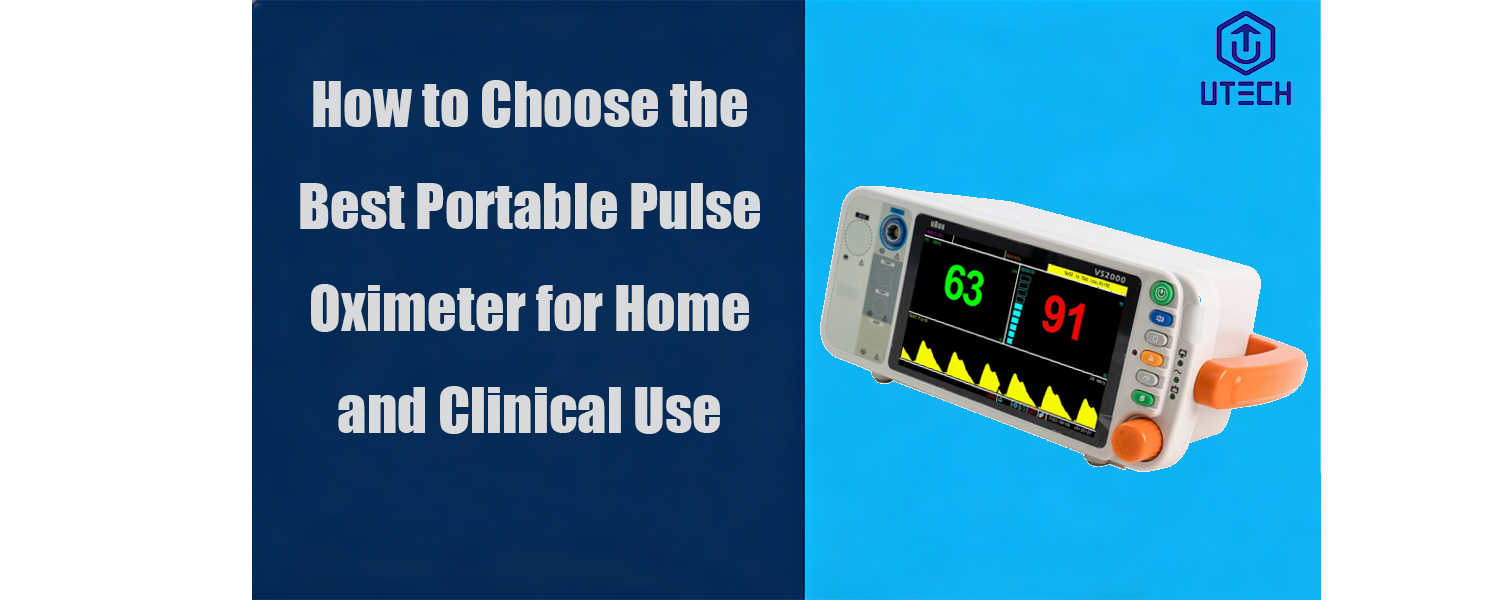 How to Choose the Best Portable Pulse Oximeter for Home Use
  How to Choose the Right Infant Pulse Oximeter for 2026